In the pursuit of optimal skin health and comprehensive skin cancer prevention, the combination of two powerful technologies Photodynamic Therapy (PDT) and the Fraxel 1940 non ablative fractional laser offers a synergistic approach that is greater than the sum of its parts. This combination, known as laser assisted PDT, represents the cutting edge of non invasive skin cancer prevention and treatment. At ISO Skin Cancer & Laser Clinic, we have seen remarkable results when these two modalities are used together, and as candidates for the Master of Skin Cancer Medicine at the University of Queensland, both Dr. Tina Fang and I, Dr. Jack Fu, have devoted significant research to understanding and optimising this combined approach.
This blog post will explore why combination therapy is more effective, how laser assisted PDT works, and the compelling clinical outcomes that make this approach an excellent choice for patients with extensive photodamage or multiple skin cancers.
Why Combination Therapy is More Effective
The principle behind combining PDT and fractional laser technology is relatively straightforward: each modality addresses different aspects of photodamaged skin and skin cancer development. The Fraxel 1940 laser removes damaged tissue and stimulates collagen remodelling, whilst PDT selectively destroys abnormal cells and triggers immune modulation. When used together, these treatments create a comprehensive approach that maximises the removal of precancerous and cancerous cells whilst simultaneously promoting skin regeneration and immune enhancement.
Research has shown that laser assisted PDT is associated with superior clinical outcomes compared to either treatment alone. The combination approach allows for more aggressive treatment of photodamaged skin, with better cosmetic outcomes and more durable results. This is particularly valuable for patients with extensive sun damage or multiple lesions, where a single modality might not be sufficient to achieve the desired outcome.
How Laser Assisted PDT Works
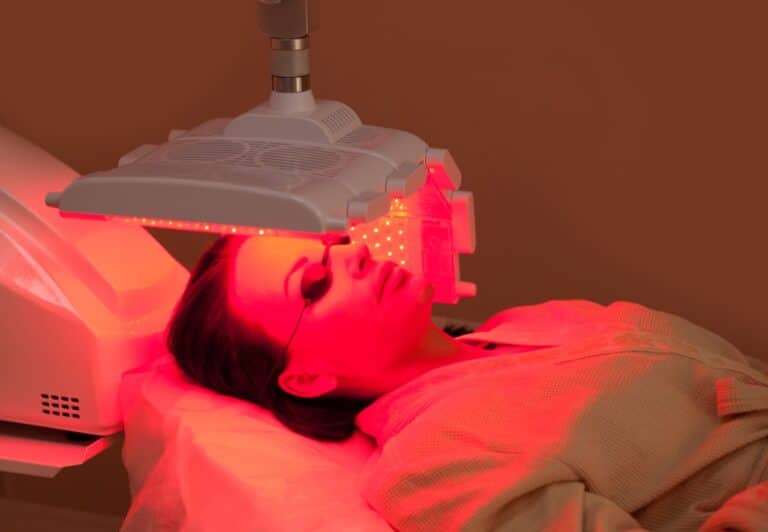
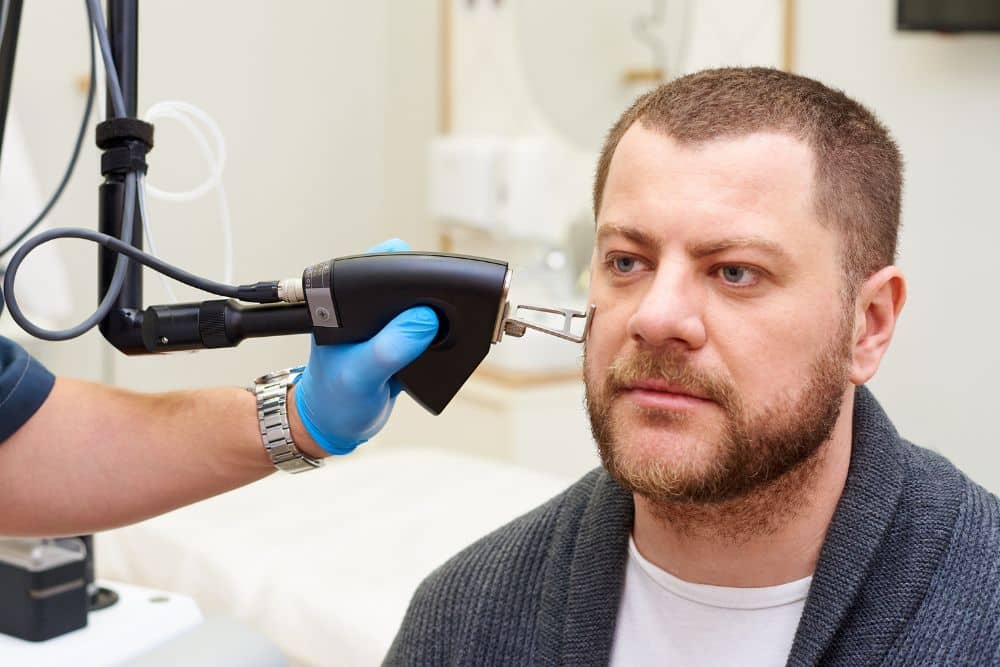
The laser assisted PDT protocol involves a specific sequence of steps designed to optimise the delivery and effectiveness of the photosensitising agent. The process begins with the application of a topical anaesthetic cream to ensure patient comfort during the procedure. Following this, the Fraxel 1940 laser is applied to the treatment area at specific settings designed to create controlled thermal damage without ablating the epidermis.
This laser pretreatment serves a crucial purpose: it creates microscopic channels in the skin that enhance the penetration of the photosensitising agent. The fractional laser treatment essentially “prepares” the skin to receive the photosensitiser more effectively. After the laser pretreatment, the skin is allowed to cool briefly, and then the 5 ALA or methyl aminolevulinate (MAL) photosensitising cream is applied to the treated area.
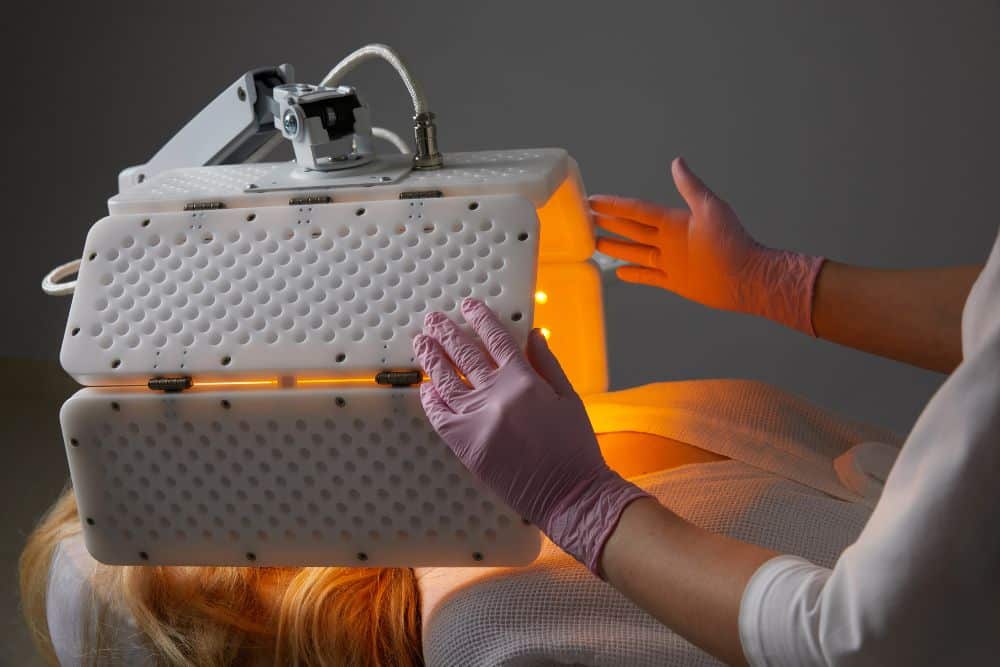
The photosensitiser is then left on the skin for an incubation period, typically 60 to 90 minutes for laser assisted PDT, which is shorter than the incubation period for traditional PDT. This shorter incubation time is possible because the laser pretreatment has enhanced the penetration of the photosensitiser. After the incubation period, the treated area is illuminated with a specific wavelength of light, activating the photosensitiser and triggering the destruction of abnormal cells.
Enhanced Drug Delivery Through Fractional Laser
One of the key advantages of laser assisted PDT is the enhanced delivery of the photosensitising agent to the target cells. The fractional laser creates microscopic zones of thermal damage that disrupt the stratum corneum (the outermost layer of the skin), which normally acts as a barrier to topical agents. By temporarily disrupting this barrier, the laser allows the photosensitiser to penetrate more deeply and uniformly into the skin.
This enhanced penetration is particularly important for treating thicker areas of photodamage or deeper lesions that might not be adequately treated with traditional PDT alone. The laser pretreatment essentially “opens the door” for the photosensitiser, allowing it to reach and treat abnormal cells that would otherwise be inaccessible.
| Treatment Component | Purpose | Effect |
| Fraxel 1940 Laser | Pretreatment to enhance penetration | Creates microscopic channels for drug delivery |
| Photosensitiser (5 ALA or MAL) | Accumulates in abnormal cells | Targeted destruction upon light activation |
| Light Activation | Activates the photosensitiser | Generates reactive oxygen that destroys abnormal cells |
Clinical Outcomes of Combination Treatments
Clinical studies have demonstrated the superior effectiveness of laser assisted PDT compared to either treatment alone. The combination approach is associated with higher clearance rates of actinic keratoses, superficial basal cell carcinomas, and other precancerous lesions. Additionally, patients treated with laser assisted PDT often report better cosmetic outcomes, with less scarring and more natural looking results compared to traditional surgical treatments.
The mechanism behind these superior outcomes is multifaceted. The laser pretreatment removes a portion of the photodamaged tissue, whilst the PDT component eliminates remaining abnormal cells and triggers immune modulation. Together, these effects result in more complete treatment of the photodamaged field and a lower risk of recurrence.
Treatment Timeline and Expectations
A typical laser assisted PDT treatment protocol involves a series of sessions spaced 2 to 4 weeks apart. The exact number of sessions required depends on the extent of photodamage and the specific lesions being treated. Most patients require 2 to 3 sessions to achieve optimal results, although some may benefit from additional treatments.
Each treatment session typically lasts 45 minutes to 1 hour, including the laser pretreatment, photosensitiser application, incubation period, and light activation. After treatment, patients can expect redness, swelling, and mild discomfort, similar to a moderate sunburn. These symptoms typically resolve within 3 to 7 days. It is essential to avoid sun exposure for at least 48 hours after treatment and to use high SPF sunscreen for several weeks following the procedure.
Customising Combination Therapy for Individual Patients
One of the advantages of laser assisted PDT is the flexibility to customise the treatment parameters to the individual patient’s needs. The laser settings can be adjusted based on the patient’s skin type, the extent of photodamage, and the specific lesions being treated. Similarly, the photosensitiser formulation, incubation time, and light source can be selected to optimise the treatment for each patient.
This customisation is particularly important for patients with darker skin types, who may be at higher risk of post inflammatory hyperpigmentation with traditional PDT. By adjusting the laser and PDT parameters, we can tailor the treatment to achieve optimal results whilst minimising the risk of adverse effects.
Long Term Prevention Benefits
Beyond the immediate treatment of existing photodamage and precancerous lesions, laser assisted PDT offers long term prevention benefits. The combination of tissue removal, collagen remodelling, and immune modulation triggered by these treatments helps to prevent the development of new lesions and reduces the overall risk of skin cancer development.
Patients who undergo laser assisted PDT often report that they develop fewer new actinic keratoses and other precancerous lesions in the treated areas compared to untreated areas. This suggests that the treatment has a lasting protective effect, possibly due to the immune modulation induced by the PDT component.
Patient Selection and Consultation
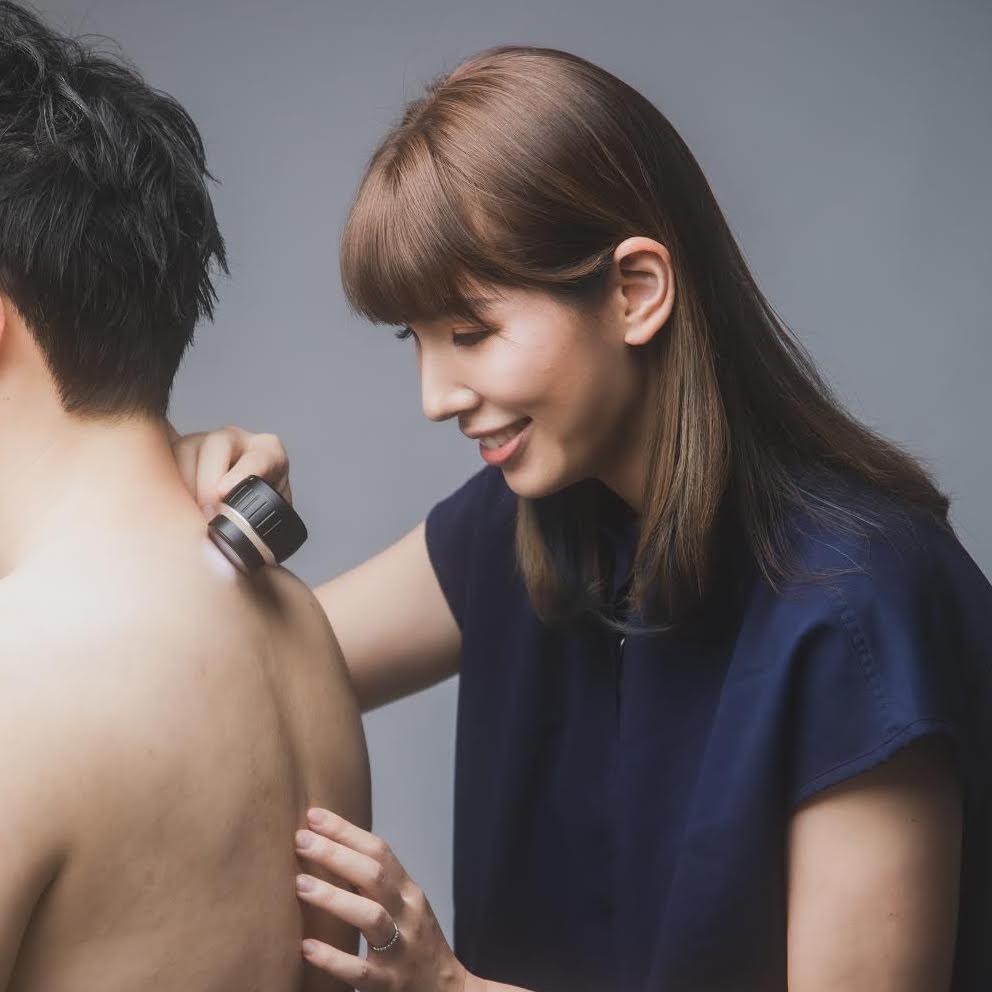
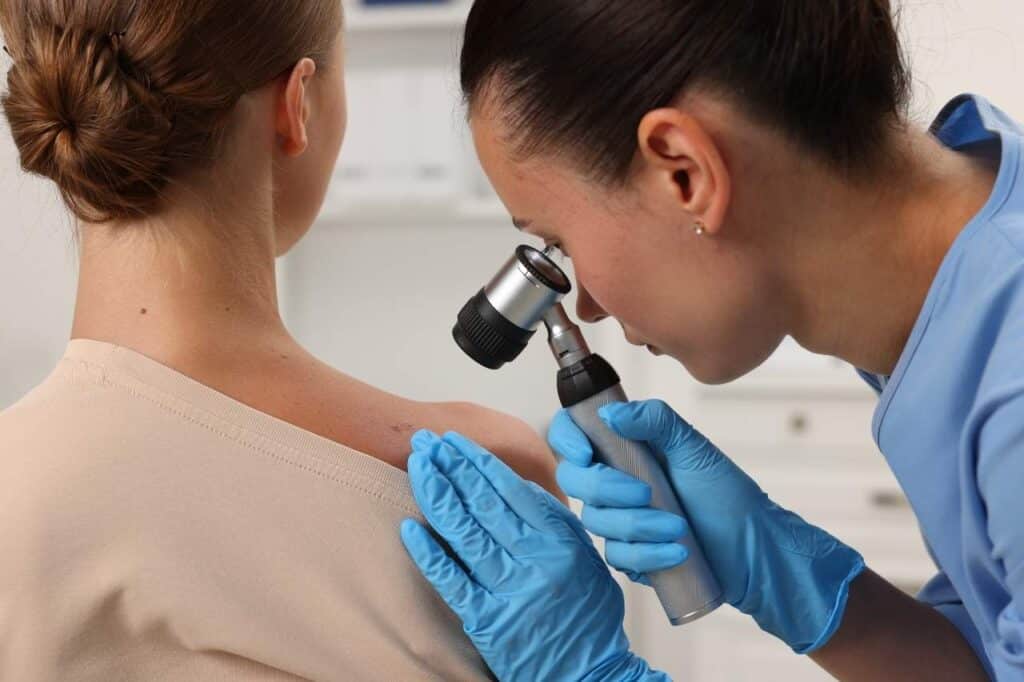
Not all patients are suitable candidates for laser assisted PDT. A thorough consultation with a qualified cosmetic physician is essential to determine if this treatment is appropriate for your individual situation. Patients with extensive photodamage, multiple actinic keratoses, or superficial skin cancers are typically good candidates for this approach. However, patients with certain medical conditions, medications, or skin types may not be suitable for the treatment.
During your consultation, your cosmetic physician will assess your skin, review your medical history, and discuss your goals and expectations. Together, you will develop a personalised treatment plan that addresses your specific needs and maximises the likelihood of achieving your desired outcomes.
Conclusion
The combination of PDT and Fraxel 1940 laser represents a powerful, evidence based approach to skin cancer prevention and treatment. By harnessing the complementary mechanisms of action of these two modalities, laser assisted PDT offers superior clinical outcomes, excellent cosmetic results, and long term prevention benefits. For patients with extensive photodamage or multiple skin cancers, this combination approach may offer the best opportunity to achieve comprehensive skin health and reduce the risk of future skin cancer development.
At ISO Skin Cancer & Laser Clinic, we are proud to offer laser assisted PDT as part of our comprehensive approach to skin cancer prevention and treatment. If you would like to learn more about this innovative treatment and how it might benefit your skin, we encourage you to schedule a consultation with one of our experienced cosmetic physicians.
References
- Sullivan, J. R., & Sharpe, P. D. (2021). Photodynamic Therapy for Superficial Sun Damage. Opinions and Progress in Cosmetic Dermatology, 1(3), 36 40.
- Christiansen, K., Bjerring, P., & Troilius, A. (2007). 5 ALA for Photodynamic Photorejuvenation Optimization of Treatment Regime Based on Normal Skin Fluorescence Measurements. Lasers in Surgery and Medicine, 39(4), 302 310.