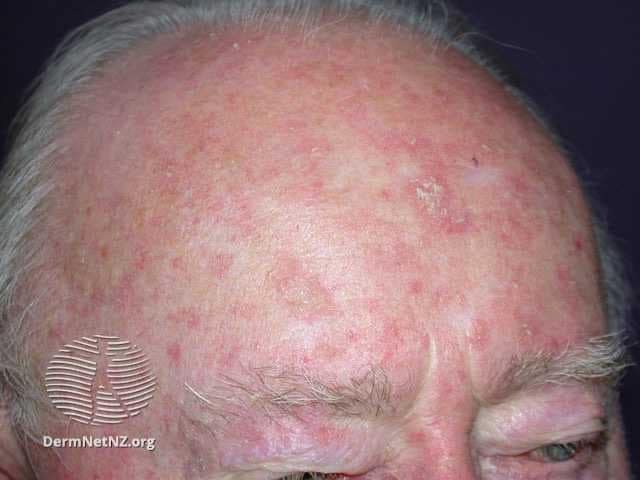
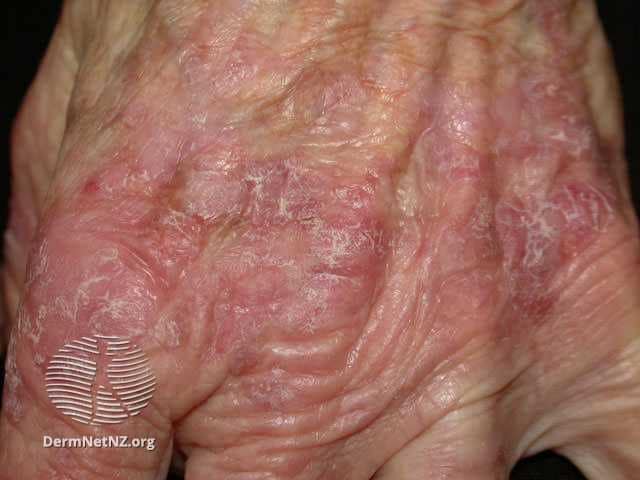
Rough, scaly patches on the skin due to high UV radiation exposure.
Solar keratosis, also known as actinic keratosis, is particularly common in Australia due to high UV radiation exposure.
These rough, scaly patches on the skin are precursors to squamous cell carcinoma and typically appear in sun-exposed areas like the face and hands.
Treatment Options for Actinic Keratoses:
Cryotherapy:
Pros: Quick treatment with minimal post-care, suitable for one solitary lesion.
Cons: May require multiple sessions for effectiveness; not suitable for a large field of sun-damaged skin. Risk of hypopigmentation scar.
Shave, Curettage, and Electrocautery:
Pros: Immediate removal of the lesion, effective for thick keratoses, suitable for one solitary lesion.
Cons: Some of scarring and requires careful wound care; not suitable for a large field of sun-damaged skin.
Topical Treatments:
5-Fluorouracil Cream:
Pros: Effective at killing precancerous cells.
Cons: Can cause significant skin irritation. Apply to the affected area 2 times a day for 2 to 4 weeks. (Sometimes, not practical).
Imiquimod Cream:
Pros: Might be eligible for PBS subsidy. General patient charge $30-35+F17
Cons: Prolonged treatment duration, may cause local skin reactions.
Photodynamic Therapy (PDT):
Pros: Suitable for sun-damaged skin on the face, ears, scalp, and chest; one-day treatment, generally less painful. Downtime of 4-5 days.
Cons: Higher cost compared to other treatments. $600 per region. (Both one side of hands are one region, both one side of forearms is one region). May need 2 treatments depending on your severity.
Prevention of Actinic Keratoses
Apart from practicing sun-smart and attending regular skin checks. (which we are all aware of). Some studies have shown a reduction of Solar Keratosis with:
Taking Nicotinamide (vitamin B3) 500 mg twice.
Applying prescription Tretinoin.
Book Now. No referrals required.
Our Skin Check, Cosmetic and Laser services are confidential, gentle and friendly to ensure patient comfort and safety throughout the whole process. Our experienced doctors will guide you and expert advice, so you can make confident and informed decisions.
Follow-up appointments are encouraged to monitor healing and address any concerns post-procedure. These consultations help manage potential complications such as infection or hypertrophic scarring effectively.
Personalised treatment with Dr. Tina Fang
Dr. Tina Fang is known for her expertise and innovative approach to Photodynamic Therapy (PDT), a treatment for skin conditions like sun damage, solar keratoses, and certain superficial skin cancers such as Intraepithelial Carcinomas (IECs) and superficial Basal Cell Carcinomas (BCCs).
Unlike set treatment protocols, Dr. Fang tailors each PDT plan to the unique needs of the patient, continually refining her methods based on patient feedback to optimize skin health outcomes.
At ISO Skin Cancer and Laser Clinic, our commitment to expertise, compassion, innovation, and integrity drives everything we do to ensure the highest quality of care for our patients.
Recovery Time
PDT typically results in abc out 5 days of redness and irritation, compared to the discomfort extending over 4-6 weeks with topical chemotherapy creams.
Effectiveness
PDT has an approximate clearance rate of 80%, while traditional topical treatments like Efudix have a completion rate of about 75%. Laser-assisted PDT can further increase this rate to approximately 85%.