The diagnosis of basal cell carcinoma (BCC) can be alarming, but it is important to understand that not all skin cancers are created equal. Superficial basal cell carcinoma, which accounts for approximately 15 to 35% of all BCCs, is the least aggressive form of this cancer and, when detected early, can often be treated with non invasive methods that preserve the skin’s appearance and function. At ISO Skin Cancer & Laser Clinic, we specialise in the early detection and treatment of superficial BCC, and as a candidate for the Master of Skin Cancer Medicine at the University of Queensland, I, Dr. Jack Fu, have focused my research on developing and optimising treatment strategies that offer patients the best possible outcomes.
This blog post will explore superficial basal cell carcinoma, explain why early treatment is crucial, and discuss how PDT and Fraxel laser offer excellent non invasive alternatives to traditional surgical excision.
Understanding Superficial Basal Cell Carcinoma
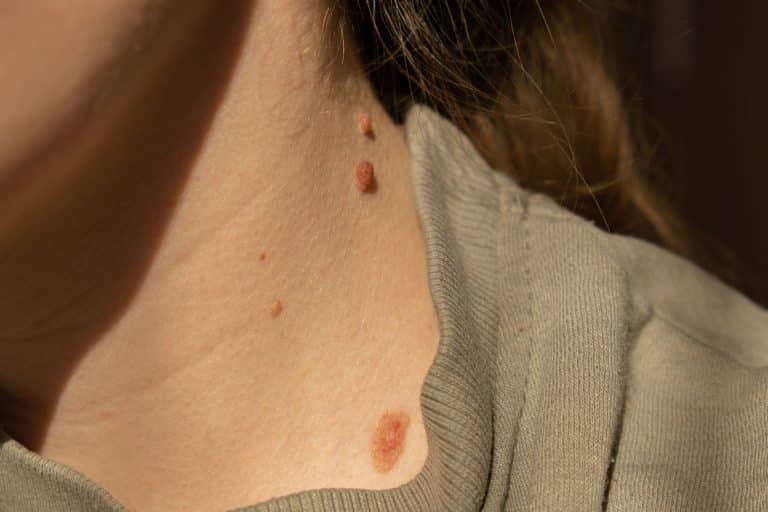
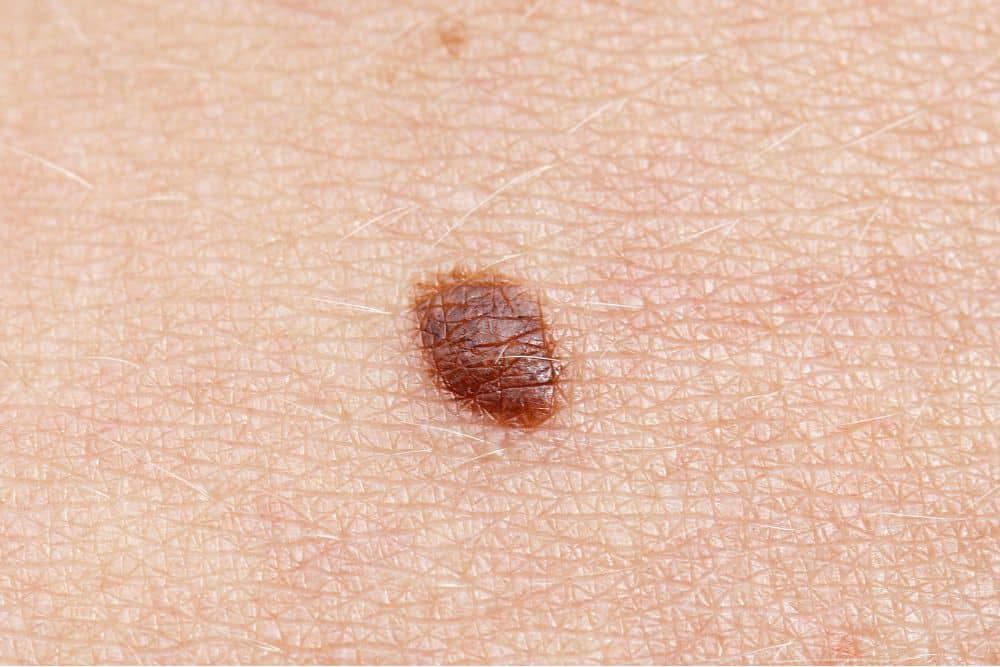
Basal cell carcinoma is the most common form of skin cancer, accounting for approximately 80% of all non melanoma skin cancers. Superficial BCC, also known as superficial spreading BCC, is characterised by a lesion that remains confined to the epidermis and the superficial dermis, without invasion into the deeper layers of the skin. These lesions typically appear as thin, scaly patches or plaques, often with a slightly raised border and a central area that may be lighter in colour.
The key distinction between superficial BCC and other forms of BCC is the depth of invasion. Nodular BCC and infiltrative BCC, for example, extend more deeply into the dermis and subcutaneous tissue, making them more aggressive and requiring more extensive treatment. Superficial BCC, by contrast, is confined to the superficial layers of the skin, which makes it an ideal candidate for non invasive treatments like PDT and fractional laser therapy.
Why Early Treatment is Crucial
Although superficial BCC is the least aggressive form of basal cell carcinoma, it is still a malignancy and should be treated promptly. If left untreated, superficial BCC can progress to deeper, more aggressive forms of the disease. Additionally, patients who develop one BCC are at increased risk of developing additional skin cancers in the future, a phenomenon known as “field cancerisation.”
Early treatment of superficial BCC serves multiple purposes. First, it eliminates the existing cancer, reducing the risk of progression to a more aggressive form. Second, it allows for the treatment of the surrounding photodamaged skin, which can help prevent the development of future skin cancers. Third, it provides an opportunity to educate the patient about sun protection and the importance of ongoing skin surveillance.
PDT and Fraxel as Non Invasive Alternatives to Surgery
Traditional treatment for superficial BCC has often involved surgical excision, in which the lesion is surgically removed along with a margin of surrounding healthy tissue. Whilst effective, surgical excision results in a wound that must heal, and depending on the size and location of the lesion, may result in scarring or require stitches.
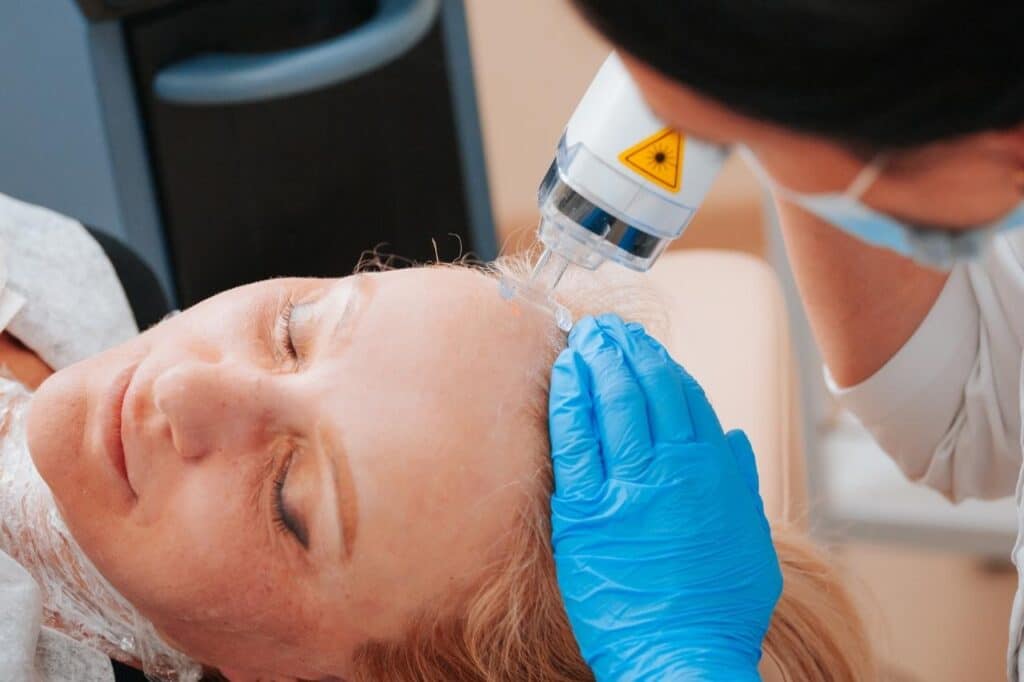
PDT and Fraxel laser offer non invasive alternatives that can achieve comparable cure rates without the need for surgery. PDT, in particular, has been shown to be highly effective for superficial BCC. The photosensitising agent preferentially accumulates in the rapidly dividing cells of the cancer, and when activated by light, destroys the malignant cells whilst largely sparing the surrounding healthy tissue.
Fraxel laser, as a non ablative fractional laser, works by creating controlled thermal damage in the skin that stimulates the removal of photodamaged tissue and triggers the skin’s natural healing response. When used in combination with PDT (laser assisted PDT), the two modalities complement each other to achieve superior outcomes.
Clinical Effectiveness Rates
Clinical studies have demonstrated the high effectiveness of PDT for superficial BCC. A comprehensive review of PDT for superficial sun damage reported that PDT is effective for actinic keratosis, superficial basal cell carcinoma, and Bowen’s disease . The cure rates for PDT in treating superficial BCC are comparable to those achieved with surgical excision, typically ranging from 85% to 95% depending on the specific treatment protocol and patient factors.
The effectiveness of laser assisted PDT for superficial BCC is even higher, with some studies reporting cure rates exceeding 95%. This superior effectiveness is attributed to the enhanced penetration of the photosensitiser achieved through the laser pretreatment, which allows for more complete destruction of the malignant cells.
Cosmetic Outcomes Compared to Surgical Excision
One of the most significant advantages of PDT and Fraxel laser for treating superficial BCC is the superior cosmetic outcome compared to surgical excision. Surgical treatment often results in a scar, which can be particularly noticeable if the lesion is located on the face or other visible areas of the body. The scar from surgical excision is permanent and may become more noticeable over time as the skin ages.
In contrast, PDT and Fraxel laser treatments result in minimal scarring. The skin heals naturally without the need for stitches, and the treated area typically blends seamlessly with the surrounding skin. This is particularly important for lesions located on cosmetically sensitive areas, such as the face, nose, ears, or lips.
| Treatment Modality | Effectiveness | Scarring | Downtime | Cosmetic Outcome |
| Surgical Excision | 95 99% | Moderate to significant | 1 2 weeks | Visible scar |
| PDT | 85 95% | Minimal | 3 7 days | Excellent |
| Laser Assisted PDT | 95%+ | Minimal | 3 7 days | Excellent |
Recovery and Downtime Expectations
One of the advantages of PDT and Fraxel laser for treating superficial BCC is the minimal downtime compared to surgical excision. After treatment, patients typically experience redness and mild swelling, similar to a moderate sunburn. These symptoms usually resolve within 3 to 7 days, allowing patients to return to their normal activities relatively quickly.
In contrast, surgical excision requires a longer recovery period. The wound must heal, which typically takes 1 to 2 weeks, and during this time, the patient must keep the wound clean and dry and avoid strenuous activity. Additionally, stitches must be removed, usually 7 to 10 days after the procedure.
Long Term Follow Up and Monitoring
Following treatment of superficial BCC with PDT or Fraxel laser, it is essential to maintain regular follow up appointments with your cosmetic physician to monitor for recurrence and to assess the overall health of your skin. Most recurrences of BCC occur within the first 1 to 2 years after treatment, so close monitoring during this period is particularly important.
Additionally, patients who have had one BCC are at increased risk of developing additional skin cancers in the future. Regular skin checks, both self examination and professional examination, are essential for early detection of any new lesions. Your cosmetic physician can provide guidance on how to perform self examination and how frequently you should have professional skin checks.
Preventing Future Skin Cancers
Following treatment of superficial BCC, it is crucial to adopt comprehensive sun protection measures to prevent the development of future skin cancers. This includes daily use of a broad spectrum sunscreen with an SPF of 50+, wearing protective clothing such as a wide brimmed hat and sunglasses, seeking shade during peak UV hours, and avoiding deliberate sun exposure.
Additionally, it is important to maintain good skin health through regular moisturising, avoiding smoking, and managing stress. These measures, combined with regular professional skin checks, can significantly reduce your risk of developing future skin cancers.
Patient Selection and Consultation
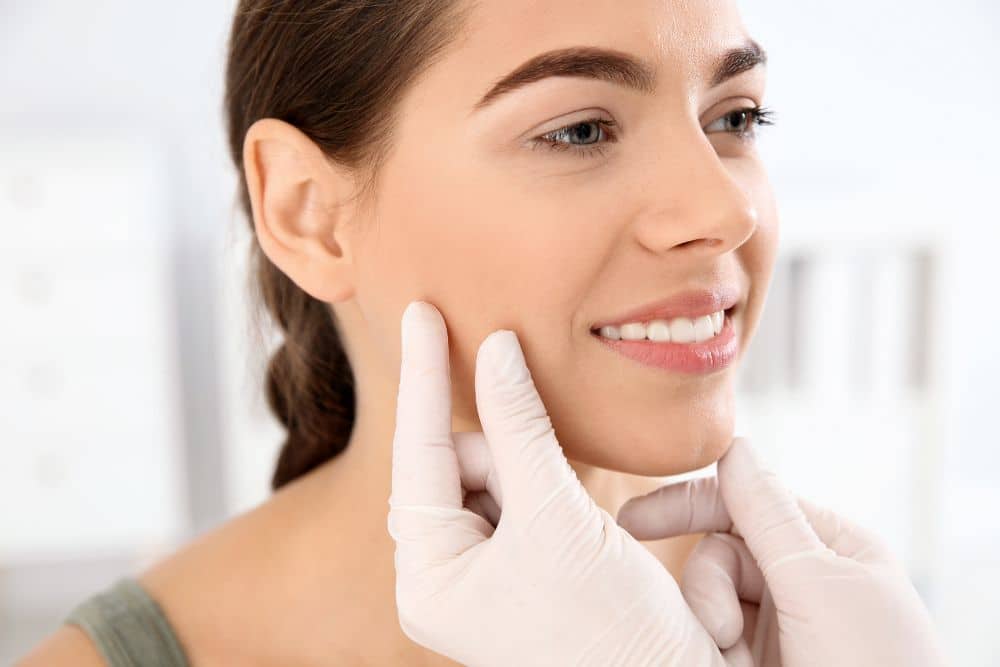
Not all patients with superficial BCC are suitable candidates for PDT or Fraxel laser treatment. Certain factors, such as the size and location of the lesion, the patient’s skin type, and the patient’s ability to comply with post treatment care instructions, must be considered. A thorough consultation with a qualified cosmetic physician is essential to determine if these non invasive treatments are appropriate for your individual situation.
During your consultation, your cosmetic physician will examine the lesion, perform any necessary diagnostic tests (such as a skin biopsy to confirm the diagnosis), and discuss the available treatment options. Together, you will develop a personalised treatment plan that addresses your specific needs and maximises the likelihood of achieving your desired outcomes.
Conclusion
Superficial basal cell carcinoma, when detected early, can often be treated effectively with non invasive methods such as PDT and Fraxel laser. These treatments offer comparable cure rates to surgical excision whilst providing superior cosmetic outcomes and minimal downtime. For patients concerned about the appearance of their skin or those seeking to avoid surgery, PDT and laser assisted PDT represent excellent treatment options.
At ISO Skin Cancer & Laser Clinic, we are committed to offering our patients the latest, evidence based treatments for skin cancer. If you have been diagnosed with superficial BCC or are concerned about your skin’s health, we encourage you to schedule a consultation with one of our experienced cosmetic physicians to discuss your treatment options.
References
- Sullivan, J. R., & Sharpe, P. D. (2021). Photodynamic Therapy for Superficial Sun Damage. Opinions and Progress in Cosmetic Dermatology, 1(3), 36 40.
- Kim, H. S., Yoo, J. Y., Cho, K. H., Kwon, O. S., & Moon, S. E. (2005). Topical Photodynamic Therapy Using Intense Pulsed Light for Treatment of Actinic Keratosis: Clinical and Histopathologic Evaluation. Dermatologic Surgery, 31(1), 33 37.