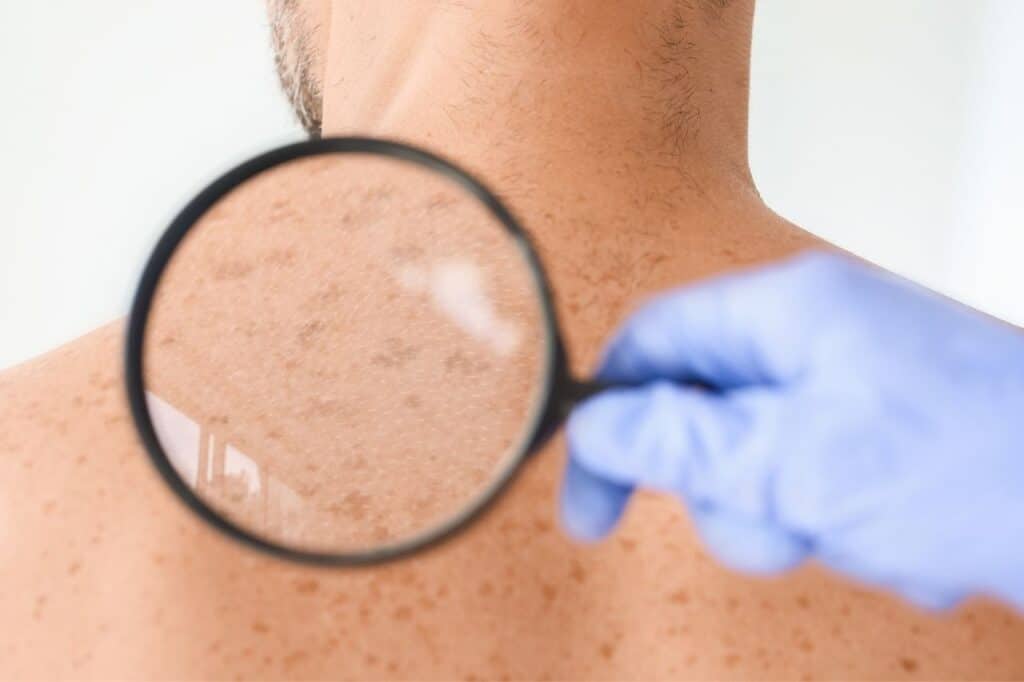
For many Australians, particularly those who have spent decades working outdoors or enjoying the sun, the cumulative effects of UV radiation have resulted in extensive photodamage affecting large areas of the skin. This condition, characterised by widespread actinic keratoses, dyspigmentation, wrinkles, and laxity, represents a significant risk factor for the development of multiple skin cancers. Traditional treatment approaches, which focus on treating individual lesions, are often inadequate for managing such extensive photodamage. A comprehensive, multi modal approach that addresses the entire field of photodamaged skin is necessary to achieve optimal outcomes. As a candidate for the Master of Skin Cancer Medicine at the University of Queensland, I, Dr. Jack Fu, have devoted significant research to developing and optimising comprehensive treatment strategies for patients with extensive photodamage.
This blog post will discuss how to assess the extent of photodamage, explain why comprehensive treatment is necessary, and present a multi modal approach to skin cancer prevention in patients with extensive sun damage.
Assessing the Extent of Photodamage
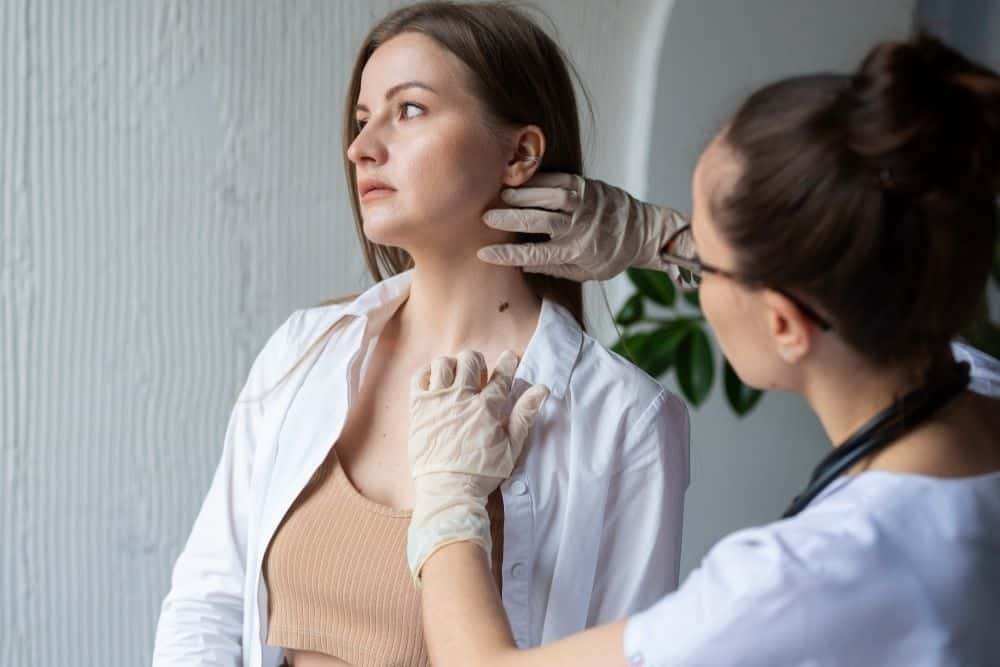
The first step in developing a comprehensive treatment plan for extensive photodamage is to accurately assess the extent and severity of the damage. This assessment involves a careful clinical examination of the affected areas, as well as consideration of the patient’s history of sun exposure and previous skin cancer diagnoses.
Photodamage can be classified according to the Glogau classification system, which grades photodamage on a scale of I (minimal) to IV (severe). Patients with Glogau III or IV photodamage typically have extensive damage affecting large areas of the skin and are candidates for comprehensive treatment approaches.
The extent of photodamage can also be assessed using objective measures such as reflectance confocal microscopy or other imaging techniques that can visualise the degree of damage in the epidermis and dermis. These objective measures can help to guide treatment planning and to monitor the response to treatment over time.
Why Comprehensive Treatment is Necessary
Traditional treatment approaches for photodamage have focused on treating individual lesions, such as actinic keratoses or skin cancers, as they become apparent. However, this approach has significant limitations. First, it is reactive rather than preventive; it addresses lesions after they have already developed. Second, it does not address the underlying photodamage that gives rise to these lesions, so new lesions continue to develop over time.
Furthermore, the concept of “field cancerisation” is important to understand. This term refers to the presence of multiple areas of abnormal cells within a field of photodamaged skin. Many of these abnormal cells are not yet clinically visible, but they represent areas of potential future cancer development. By treating only the clinically visible lesions, we are leaving behind a field of subclinical abnormality that will continue to progress.
A comprehensive treatment approach that addresses the entire field of photodamaged skin is necessary to achieve optimal cancer prevention outcomes. This approach targets not only the clinically visible lesions but also the subclinical abnormality in the surrounding photodamaged skin.
Multi Session Treatment Protocols
Treating extensive photodamage typically requires a series of treatment sessions rather than a single treatment. This is because the extent of photodamage is too great to be adequately treated in a single session, and treating large areas in a single session would result in excessive inflammation and prolonged downtime.
A typical protocol for treating extensive photodamage involves 3 to 5 treatment sessions spaced 2 to 4 weeks apart. Each session addresses a specific area or region of the body, allowing for adequate healing between sessions. This staged approach allows for comprehensive treatment of the entire photodamaged area whilst minimising downtime and allowing the skin to recover between sessions.
Fraxel Laser for Widespread Photodamage
The Fraxel 1940 non ablative fractional laser is particularly well suited for treating widespread photodamage. The fractional delivery system allows for treatment of large areas of skin in a single session, and the non ablative nature of the laser means that patients experience minimal downtime and can return to normal activities relatively quickly.
The Fraxel laser is particularly effective for treating the diffuse dyspigmentation and erythema that characterise extensive photodamage. Clinical studies have shown that patients with extensive photodamage who undergo a series of Fraxel treatments show significant improvement in skin tone, texture, and overall appearance.
PDT for Field Cancerisation
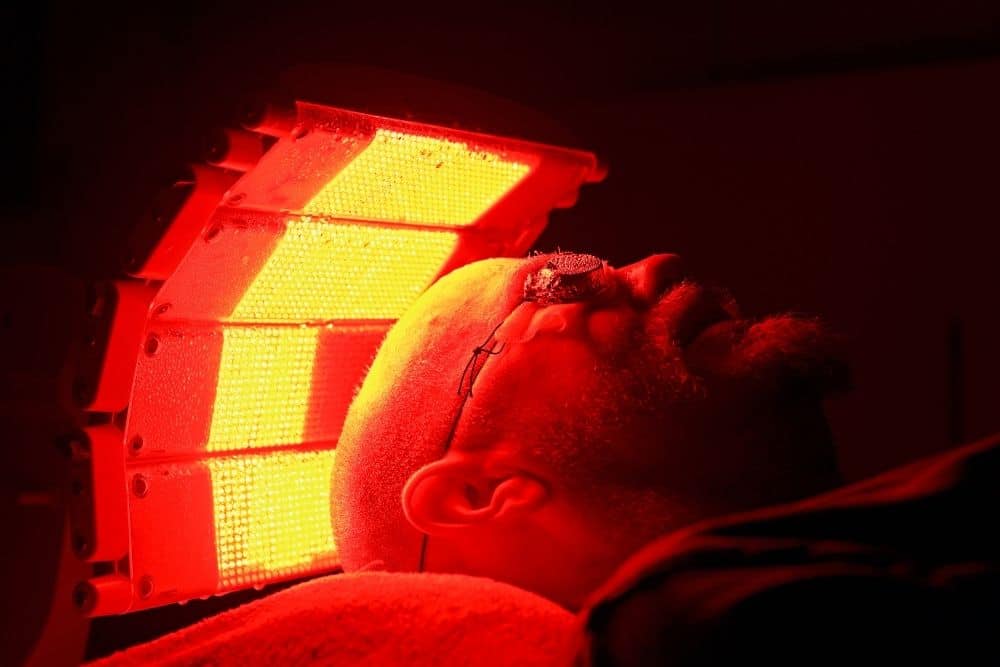
Photodynamic Therapy is an ideal treatment for addressing the field cancerisation phenomenon. Because PDT can treat large areas of skin in a single session and can target subclinical abnormality in addition to clinically visible lesions, it is particularly well suited for comprehensive treatment of photodamaged fields.
When 5 ALA or MAL is applied to a large area of photodamaged skin, the photosensitiser preferentially accumulates in areas of abnormal cells, including both clinically visible lesions and subclinical abnormality. Upon light activation, these abnormal cells are destroyed, effectively treating the entire field of abnormality.
Combination Approach for Maximum Prevention
The most effective approach to treating extensive photodamage is a combination of Fraxel laser and PDT. This combination approach addresses different aspects of the photodamaged field: the Fraxel laser removes the most severely damaged tissue and stimulates collagen remodelling, whilst PDT eliminates abnormal cells and triggers immune modulation.
A typical protocol might involve initial Fraxel laser treatment to remove the most severely damaged tissue, followed by PDT to address the field of abnormality. This combination can be repeated over multiple sessions to achieve comprehensive treatment of the entire photodamaged area.
| Treatment Component | Purpose | Effect |
| Fraxel Laser | Remove severely photodamaged tissue | Improved skin tone and texture, collagen remodelling |
| PDT | Eliminate abnormal cells in photodamaged field | Reduced risk of future skin cancer development |
| Combination | Comprehensive field treatment | Maximum cancer prevention and skin quality improvement |
Lifestyle Modifications to Prevent Recurrence
Following comprehensive treatment of extensive photodamage, it is essential to adopt lifestyle modifications to prevent the development of new photodamage and new skin cancers. These modifications include:
- Strict sun protection: Daily use of broad spectrum sunscreen with an SPF of 50+, wearing protective clothing, seeking shade during peak UV hours, and avoiding deliberate sun exposure.
- Regular skin checks: Both self examination and professional examination to detect any new lesions at the earliest opportunity.
- Healthy lifestyle: Adequate sleep, stress management, a diet rich in antioxidants, and avoiding smoking, which can accelerate skin ageing.
- Skin care regimen: Use of retinoids and other evidence based skin care products to maintain skin health and prevent further photodamage.
Long Term Management and Maintenance
Patients with a history of extensive photodamage require long term management and maintenance to prevent the development of new lesions. This may include periodic maintenance treatments with Fraxel laser or PDT, typically performed annually or as needed based on the development of new lesions.
Regular professional skin checks are essential, particularly in the first few years after comprehensive treatment, when the risk of recurrence is highest. Your cosmetic physician can advise you on the appropriate frequency of follow up visits and maintenance treatments for your individual situation.
Patient Education and Expectations
Patients with extensive photodamage should understand that comprehensive treatment is a long term commitment. Whilst significant improvements can be achieved with a series of treatments, complete resolution of all photodamage may not be possible, particularly if the damage is very extensive. Additionally, the risk of developing new lesions remains elevated in patients with a history of significant sun exposure, and ongoing sun protection and surveillance are essential.
Setting realistic expectations is important for patient satisfaction and compliance with treatment and prevention recommendations.
Conclusion
Extensive photodamage represents a significant challenge in dermatology, but a comprehensive, multi modal approach combining Fraxel laser and PDT can achieve remarkable results in terms of both cancer prevention and skin quality improvement. By addressing the entire field of photodamaged skin rather than treating individual lesions, we can significantly reduce the risk of future skin cancer development and improve the long term health and appearance of the skin.
At ISO Skin Cancer & Laser Clinic, we are experienced in the management of extensive photodamage and are committed to developing personalised, comprehensive treatment plans for our patients. If you have extensive photodamage and are concerned about your risk of skin cancer, we encourage you to schedule a consultation with one of our experienced cosmetic physicians to discuss a comprehensive treatment strategy tailored to your individual needs.
References
- Sullivan, J. R., & Sharpe, P. D. (2021). Photodynamic Therapy for Superficial Sun Damage. Opinions and Progress in Cosmetic Dermatology, 1(3), 36 40.
- Schallen, K. P., Murphy, M., Dest, N., & Piretti, R. (2020). Frax 1940 Non ablative Fractional Laser Handpiece for Skin Resurfacing. Clinical White Paper. Candela Corporation.