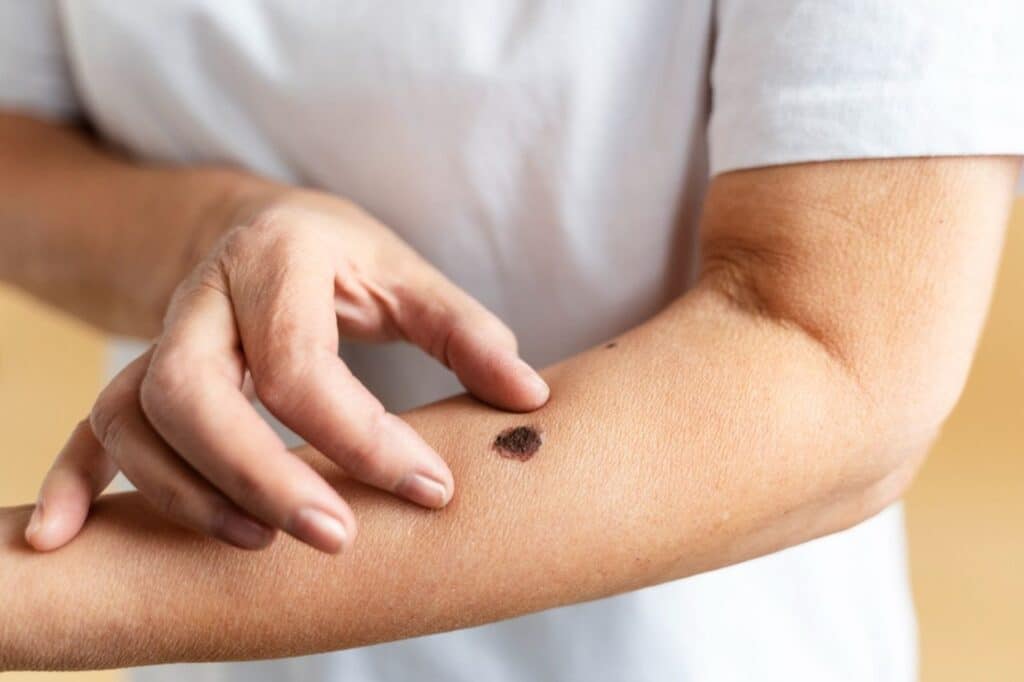
By now, you have learned about the remarkable potential of Photodynamic Therapy (PDT) and Fraxel 1940 laser technology for preventing skin cancer and maintaining optimal skin health. You understand the science behind these treatments, the evidence for their effectiveness, and the various clinical applications. However, the question that likely remains is: how do I determine if these treatments are right for me, and how do I develop a personalised prevention plan that addresses my individual needs and risk factors?
This final blog post will guide you through the process of assessing your personal skin cancer risk, understanding your skin type and sun exposure history, choosing between PDT and Fraxel laser, and developing a comprehensive, personalised skin cancer prevention strategy. As both a candidate for the Master of Skin Cancer Medicine at the University of Queensland and a clinician with years of experience in skin cancer management, both Dr. Tina Fang and I, Dr. Jack Fu, are committed to helping our patients develop personalised prevention plans that are evidence based, practical, and tailored to their individual circumstances.
Assessing Your Personal Skin Cancer Risk
The first step in developing a personalised skin cancer prevention plan is to assess your personal risk of developing skin cancer. Several factors contribute to this risk, and understanding your individual risk profile is essential for determining the most appropriate prevention strategy.
- Skin type: Your skin type, classified according to the Fitzpatrick scale, is an important determinant of skin cancer risk. Individuals with fair skin (Fitzpatrick types I and II) have a higher risk of developing skin cancer compared to those with darker skin. However, individuals with darker skin types are not immune to skin cancer and should not neglect sun protection.
- History of sun exposure: The cumulative amount of UV radiation your skin has received over your lifetime is a significant risk factor for skin cancer. Individuals who have spent significant time outdoors, particularly those who work outdoors or have had a history of frequent sun exposure or sunburns, have a higher risk of developing skin cancer.
- Personal history of skin cancer: If you have previously been diagnosed with skin cancer, your risk of developing additional skin cancers is significantly elevated. This is particularly true if you have had multiple skin cancers or if your initial skin cancer was diagnosed at a young age.
- Family history of skin cancer: If you have a family member who has been diagnosed with skin cancer, particularly melanoma, your own risk is elevated.
- Age: Whilst skin cancer can develop at any age, the risk increases with age, as it reflects cumulative sun exposure over a lifetime.
- Presence of precancerous lesions: If you have been diagnosed with actinic keratoses or other precancerous lesions, your risk of developing skin cancer is elevated.

Understanding Your Skin Type and Sun Exposure
In addition to assessing your risk factors, it is important to understand your individual skin type and your patterns of sun exposure. This information will help to guide decisions about the most appropriate treatment modalities and the frequency of treatments.
Your skin type determines how your skin responds to UV radiation and to various treatments. Individuals with fair skin are more susceptible to UV damage and may experience more significant side effects from certain treatments. Individuals with darker skin types may be at higher risk of post inflammatory hyperpigmentation with some treatments, which may influence the choice of treatment modality or treatment parameters.
Your patterns of sun exposure are also important to understand. Are you regularly exposed to the sun due to your occupation or recreational activities? Do you have a history of intentional sun exposure for tanning? Have you had significant sunburns in the past? Understanding these patterns will help to guide recommendations about sun protection and the frequency of preventive treatments.
Choosing Between PDT and Fraxel Laser
Both PDT and Fraxel laser are effective treatments for skin cancer prevention, but they have different characteristics and may be more or less appropriate depending on your individual circumstances.
- PDT is particularly well suited for patients with multiple precancerous lesions or those with field cancerisation. It can treat large areas of skin in a single session and is particularly effective for treating actinic keratoses, superficial basal cell carcinomas, and Bowen’s disease. PDT is also an excellent choice for patients who are concerned about downtime, as the recovery period is typically only 3 to 7 days.
- Fraxel laser is particularly well suited for patients with extensive photodamage who want to improve the overall quality and appearance of their skin. The fractional laser approach allows for treatment of large areas with minimal downtime, and the results in terms of skin texture and appearance improvement are often dramatic. Fraxel laser is also an excellent choice for patients who want to address both precancerous lesions and cosmetic concerns simultaneously.
Laser assisted PDT combines the benefits of both modalities and is an excellent choice for patients with extensive photodamage or those who want the most comprehensive approach to skin cancer prevention.
| Treatment Modality | Best For | Advantages | Disadvantages |
| PDT | Multiple precancerous lesions, field cancerisation | Treats large areas, minimal downtime | May require multiple sessions |
| Fraxel Laser | Extensive photodamage, cosmetic concerns | Dramatic skin improvement, long lasting | May require multiple sessions |
| Laser Assisted PDT | Comprehensive prevention, extensive damage | Maximum efficacy, superior outcomes | Longer recovery, more intensive |
Customising a Prevention Plan
Your personalised skin cancer prevention plan should address your individual risk factors, skin type, and goals. A comprehensive plan typically includes the following components:
- Professional treatments: Based on your individual circumstances, your cosmetic physician may recommend a series of PDT treatments, Fraxel laser treatments, or a combination of both. The frequency and number of treatments will depend on the extent of your photodamage and the specific lesions present.
- Sun protection: Regardless of the professional treatments you undergo, strict sun protection is essential. This includes daily use of broad spectrum sunscreen with an SPF of 50+, wearing protective clothing, seeking shade during peak UV hours, and avoiding deliberate sun exposure.
- Skin care regimen: A personalised skin care regimen using evidence based products can help to maintain skin health and prevent further photodamage. Your cosmetic physician can recommend specific products appropriate for your skin type.
- Regular monitoring: Regular skin checks, both self examination and professional examination, are essential for early detection of any new lesions.
- Lifestyle modifications: Adequate sleep, stress management, a healthy diet, and avoiding smoking all contribute to optimal skin health.
Treatment Frequency and Maintenance
The frequency of treatments will depend on your individual circumstances and the specific treatment modalities chosen. Initial treatment typically involves a series of sessions spaced 2 to 4 weeks apart. The number of sessions required will depend on the extent of photodamage and the specific lesions present.
Following the initial series of treatments, maintenance treatments may be recommended to maintain the benefits achieved and to prevent the development of new lesions. Maintenance treatments are typically performed annually or as needed based on the development of new lesions or changes in the skin.
Combining Professional Treatment with Sun Protection
It is crucial to understand that professional treatments like PDT and Fraxel laser are most effective when combined with rigorous sun protection. The treatments remove existing photodamage and precancerous lesions, but they do not eliminate the risk of developing new lesions if sun exposure continues.
Therefore, a comprehensive prevention plan must include both professional treatments and personal sun protection measures. Your cosmetic physician can provide specific recommendations on sun protection appropriate for your individual situation.

Monitoring and Follow Up Protocols
Following your initial series of treatments, regular follow up appointments are essential. These appointments allow your cosmetic physician to assess your response to treatment, to monitor for any signs of recurrence or new lesions, and to make any necessary adjustments to your prevention plan.
The frequency of follow up appointments will depend on your individual circumstances. Patients with a history of multiple skin cancers or extensive photodamage may require more frequent follow up appointments than those with a lower risk profile.
Success Stories and Real Outcomes
Many patients who have undergone PDT and Fraxel laser treatments have experienced remarkable improvements in their skin health and have successfully prevented the development of new skin cancers. These success stories demonstrate the power of a comprehensive, personalised approach to skin cancer prevention.
Patients often report not only a reduction in the number of new precancerous lesions but also significant improvements in the overall appearance and quality of their skin, including reduction in wrinkles, improvement in skin tone and texture, and improved skin resilience.
Next Steps and Booking Your Consultation
If you are interested in developing a personalised skin cancer prevention plan, the first step is to schedule a consultation with one of our experienced cosmetic physicians. During this consultation, your skin will be thoroughly assessed, your medical history will be reviewed, and your goals and concerns will be discussed.
Based on this assessment, your cosmetic physician will develop a personalised treatment plan tailored to your individual needs. This plan will include specific recommendations regarding the most appropriate treatment modalities, the frequency of treatments, and the expected outcomes.
To schedule your consultation, please contact ISO Skin Cancer & Laser Clinic. Our team is committed to helping you develop a comprehensive, evidence based approach to skin cancer prevention that is tailored to your individual circumstances and goals.
Conclusion
Skin cancer prevention is not a one size fits all proposition. Your individual risk factors, skin type, sun exposure history, and personal goals all influence the most appropriate prevention strategy for you. By working with an experienced cosmetic physician to develop a personalised prevention plan that combines professional treatments like PDT and Fraxel laser with rigorous sun protection and regular monitoring, you can significantly reduce your risk of developing skin cancer and maintain optimal skin health for years to come.
At ISO Skin Cancer & Laser Clinic, we are committed to providing our patients with the latest, evidence based approaches to skin cancer prevention. We look forward to working with you to develop a personalised prevention plan that addresses your individual needs and helps you achieve your skin health goals.
References
- Sullivan, J. R., & Sharpe, P. D. (2021). Photodynamic Therapy for Superficial Sun Damage. Opinions and Progress in Cosmetic Dermatology, 1(3), 36 40.
- Schallen, K. P., Murphy, M., Dest, N., & Piretti, R. (2020). Frax 1940 Non ablative Fractional Laser Handpiece for Skin Resurfacing. Clinical White Paper. Candela Corporation.
- Benson, T. A., et al. (2023). Nonablative Fractional Laser Treatment Is Associated With Decreased Risk of Subsequent Facial Keratosis Development. Journal of Investigative Dermatology, 143(2), 234 241.