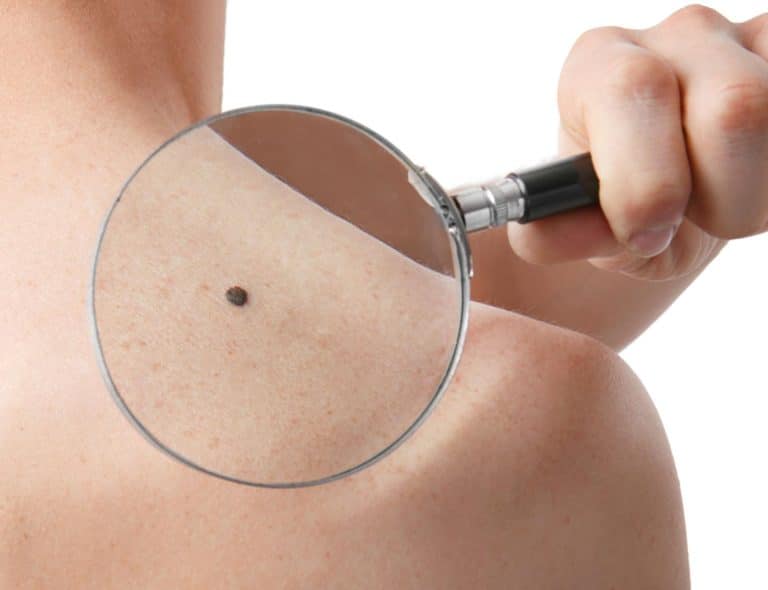
Living under the brilliant Australian sun is a quintessential part of our culture, but it comes with a responsibility to be vigilant about our skin’s health. One of the most common signs of cumulative sun damage is the appearance of actinic keratosis, often referred to as solar keratosis. These small, scaly patches of skin may seem harmless, but they are considered precancerous and serve as an important warning sign of an increased risk for developing skin cancer. At ISO Skin Cancer & Laser Clinic, we specialise in the early detection and treatment of such lesions, and as a candidate for the Master of Skin Cancer Medicine at the University of Queensland, I, Dr. Jack Fu, have focused my research on translating our understanding of these early warning signs into effective preventative strategies.
This blog post will explore the nature of actinic keratosis, its connection to skin cancer, and how Photodynamic Therapy (PDT) offers a highly effective, non invasive solution for treating these lesions and preventing their progression to more serious forms of skin cancer.
What are Actinic Keratoses and Why Do They Matter?
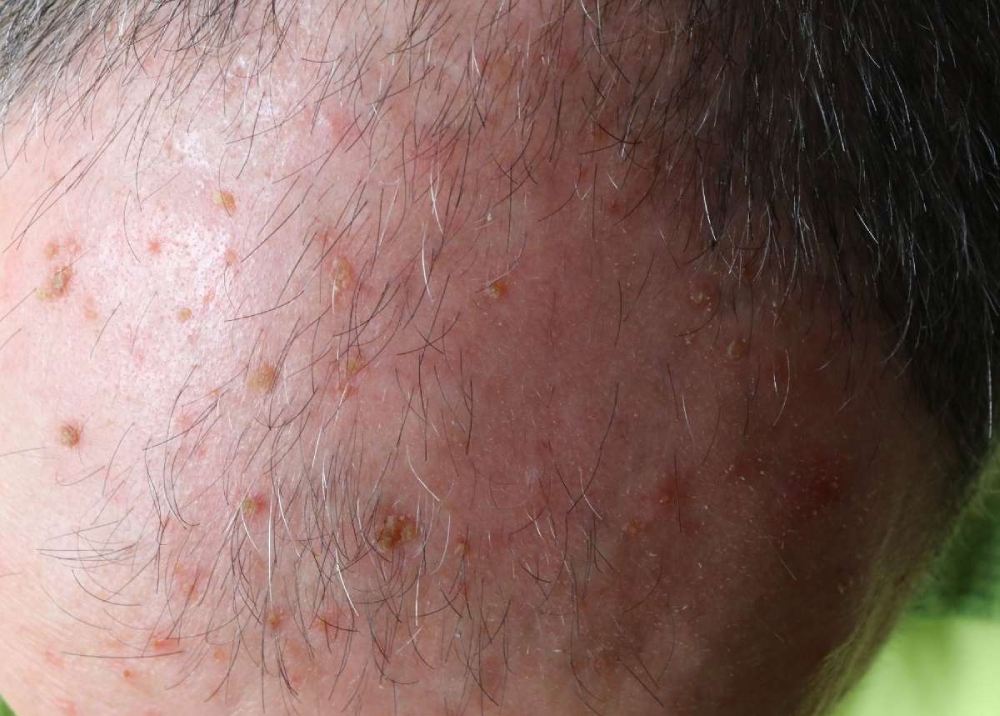
Actinic keratoses are rough, scaly patches on the skin that develop from years of exposure to ultraviolet (UV) radiation. They are most commonly found on sun exposed areas of the body, such as the face, lips, ears, scalp, shoulders, neck, and the back of the hands and forearms. Whilst a single actinic keratosis may not seem like a major concern, the presence of multiple lesions indicates significant sun damage and a heightened risk of developing squamous cell carcinoma, a common type of skin cancer. It is estimated that up to 60% of squamous cell carcinomas arise from previously untreated actinic keratoses.
Therefore, it is crucial to view actinic keratoses not just as a cosmetic issue, but as a clear indicator of the need for proactive skin cancer prevention. Early detection and treatment are paramount in preventing the progression of these lesions to invasive skin cancer.
| Feature of Actinic Keratosis | Description |
| Appearance | Rough, scaly, or crusty patches of skin. |
| Location | Sun exposed areas like the face, scalp, and hands. |
| Significance | Precancerous lesions that can develop into squamous cell carcinoma. |
| Action | Early detection and treatment are essential for prevention. |
The Connection Between Sun Damage and Skin Cancer Risk
The development of actinic keratoses is a direct result of DNA damage to skin cells caused by UV radiation. Over time, this damage can lead to uncontrolled cell growth, which is the hallmark of cancer. The more sun exposure an individual has had, the greater their risk of developing actinic keratoses and, subsequently, skin cancer. This is particularly relevant in Australia, where we have one of the highest rates of skin cancer in the world.
My research, along with that of my colleague Dr. Tina Fang, has reinforced the importance of a preventative mindset when it comes to skin health. We believe that by treating the underlying sun damage that gives rise to actinic keratoses, we can significantly reduce an individual’s lifetime risk of developing skin cancer.
How PDT Specifically Targets Actinic Keratosis
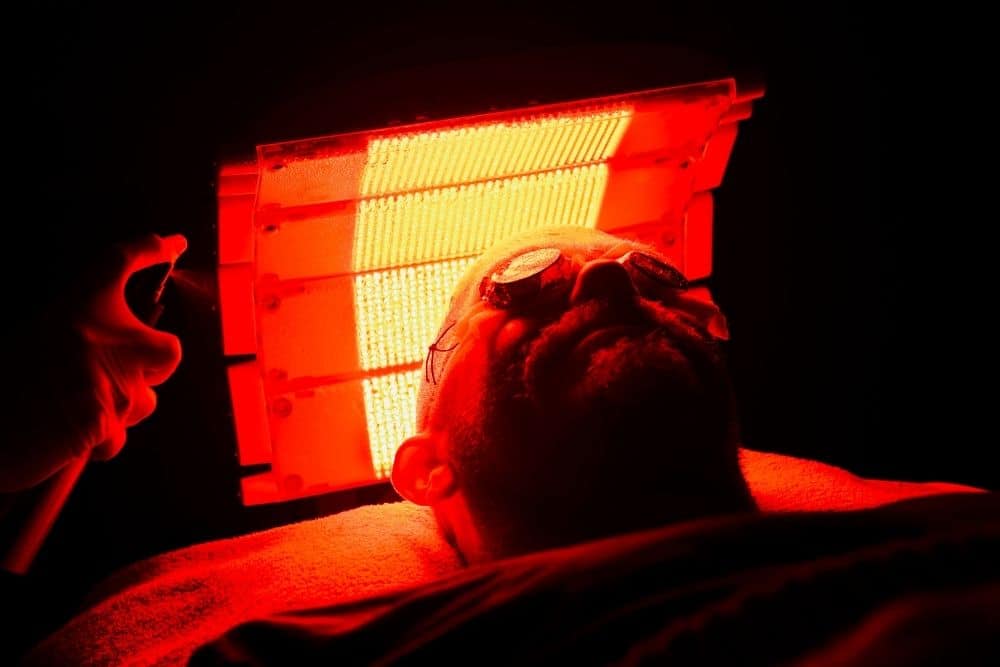
Photodynamic Therapy (PDT) is an ideal treatment for actinic keratoses because of its ability to selectively target and destroy abnormal cells whilst preserving the surrounding healthy tissue. As explained in our previous blog post, the treatment involves the application of a photosensitising cream that is preferentially absorbed by the rapidly dividing cells found in actinic keratoses. When activated by a specific wavelength of light, the photosensitiser creates a reaction that eliminates these precancerous cells.
This targeted approach allows for the treatment of multiple actinic keratoses in a single session, a concept known as “field therapy.” This is a significant advantage over traditional treatments like cryotherapy (freezing), which treats each lesion individually. By treating the entire field of sun damaged skin, PDT not only removes existing actinic keratoses but also helps to prevent the formation of new ones.
Clinical Evidence of PDT Effectiveness
The effectiveness of PDT for the treatment of actinic keratoses is well established in the medical literature. A study published in Dermatologic Surgery evaluated the use of PDT with intense pulsed light for actinic keratosis and found that a single treatment resulted in the complete clinical clearance of 50% of lesions, with 42% showing complete resolution upon histological examination . This demonstrates the power of PDT to not only improve the visible appearance of the skin but also to eliminate the underlying abnormal cells.
Furthermore, a comprehensive review of PDT for superficial sun damage confirmed its efficacy for actinic keratosis, as well as for superficial basal cell carcinoma and Bowen’s disease . These findings are consistent with our clinical experience at ISO Skin Cancer & Laser Clinic, where we have seen excellent results with PDT for the treatment of actinic keratoses and the prevention of skin cancer.
Comparison with Other Treatment Options
Whilst there are several treatment options for actinic keratoses, PDT offers a number of advantages over more traditional methods.
| Treatment Option | Advantages | Disadvantages |
| Cryotherapy | Quick and effective for single lesions. | Can cause scarring and hypopigmentation. Not practical for multiple lesions. |
| Topical Creams | Can treat large areas of skin. | Can cause significant inflammation and discomfort. Requires weeks to months of application. |
| PDT | Treats large areas of skin in a single session. Minimal scarring. Excellent cosmetic outcomes. | Can cause temporary redness and swelling. Requires sun avoidance after treatment. |
As the table above illustrates, PDT provides a balance of efficacy, safety, and cosmetic outcome that makes it an excellent choice for many patients with actinic keratoses.
Prevention Strategies After Treatment
Following PDT treatment, it is essential to adopt a comprehensive sun protection strategy to prevent the development of new actinic keratoses and to maintain the health of your skin. This includes:
- Daily use of a broad spectrum sunscreen with an SPF of 50+.
- Wearing protective clothing, including a wide brimmed hat and sunglasses.
- Seeking shade during the peak UV hours of the day.
- Regularly checking your skin for any new or changing lesions.
At ISO Skin Cancer & Laser Clinic, we work with our patients to develop a personalised skin cancer prevention plan that includes both professional treatments like PDT and practical advice on sun protection.
By taking a proactive approach to the management of actinic keratoses, you can significantly reduce your risk of developing skin cancer and enjoy the confidence that comes with healthy, clear skin. If you have any concerns about actinic keratoses or your risk of skin cancer, we encourage you to schedule a consultation with one of our experienced cosmetic physicians.
References
- Kim, H. S., Yoo, J. Y., Cho, K. H., Kwon, O. S., & Moon, S. E. (2005). Topical Photodynamic Therapy Using Intense Pulsed Light for Treatment of Actinic Keratosis: Clinical and Histopathologic Evaluation. Dermatologic Surgery, 31(1), 33 37.
- Sullivan, J. R., & Sharpe, P. D. (2021). Photodynamic Therapy for Superficial Sun Damage. Opinions and Progress in Cosmetic Dermatology, 1(3), 36 40.