Dr Tina Fang

A woman is lying back with her eyes closed while a professional uses advanced fractional laser technology on her face in a clinical setting.

The Fraxel 1940 Laser: How Fractional Laser Technology Prevents Skin Cancer

In recent years, the field of dermatology has witnessed a paradigm shift in our understanding of how laser technology can be used not just to treat existing skin conditions, but to actively prevent the development of skin cancer. At the forefront of this revolution is the Fraxel 1940 non ablative fractional laser, a sophisticated technology […]

The Fraxel 1940 Laser: How Fractional Laser Technology Prevents Skin Cancer Read More »
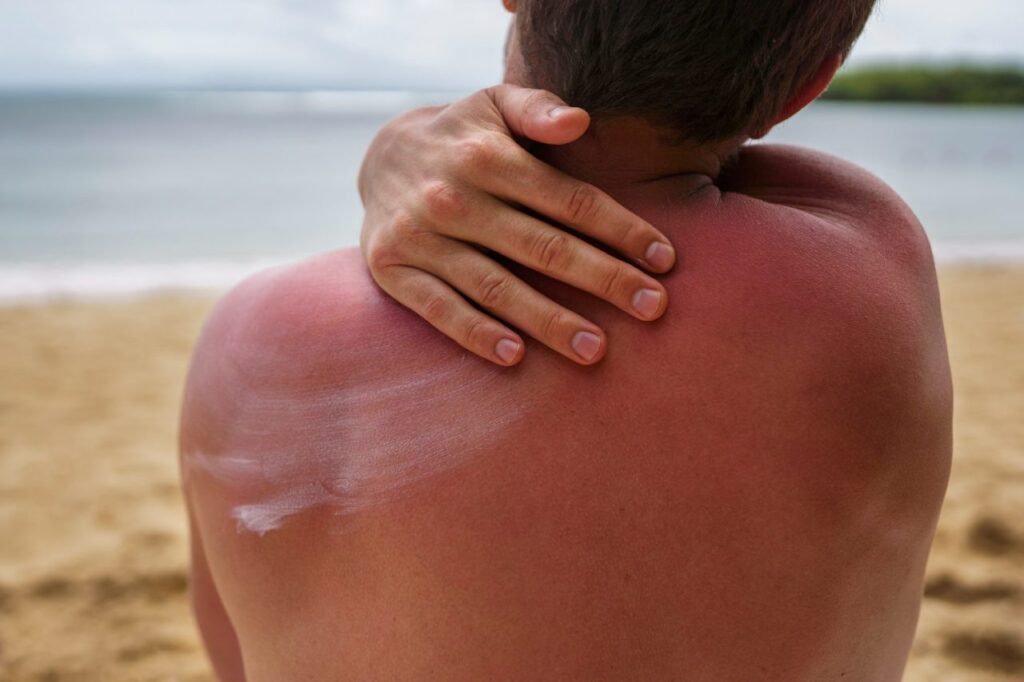
A person with a sunburned back, mindful of the warning sign of Actinic Keratosis, applies sunscreen while sitting on a sandy beach near the water.

Actinic Keratosis: Your First Warning Sign and How PDT Can Help

Living under the brilliant Australian sun is a quintessential part of our culture, but it comes with a responsibility to be vigilant about our skin’s health. One of the most common signs of cumulative sun damage is the appearance of actinic keratosis, often referred to as solar keratosis. These small, scaly patches of skin may

Actinic Keratosis: Your First Warning Sign and How PDT Can Help Read More »

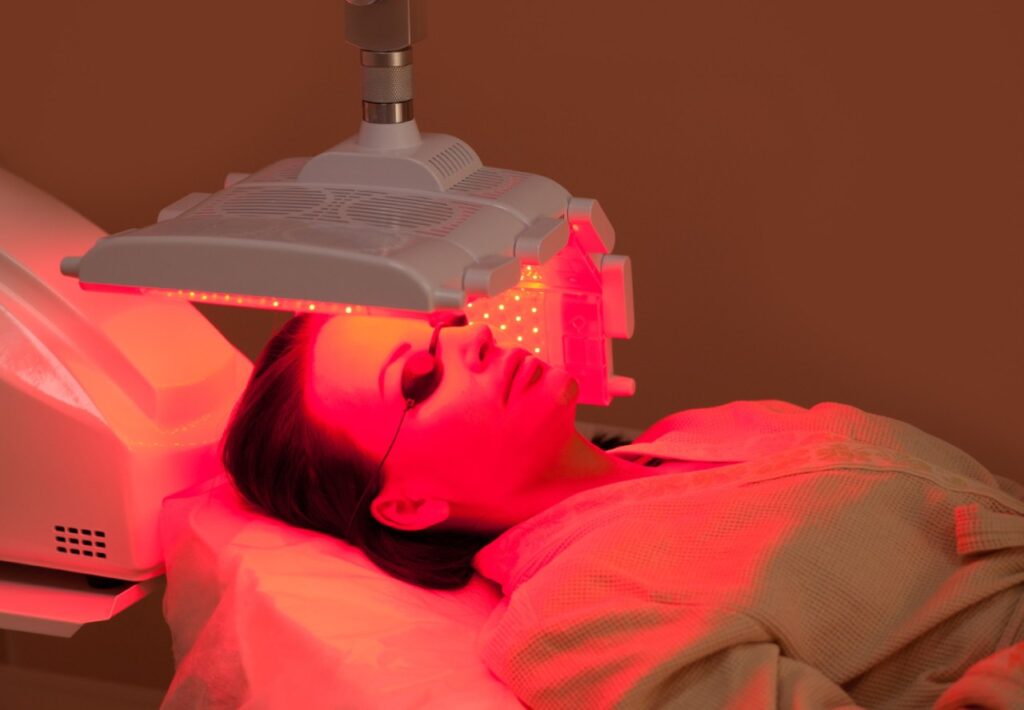
A person lies on a clinic bed receiving red light therapy on their face, wearing protective goggles under an LED light panel—a treatment often used in photodynamic therapy for skin cancer prevention.

Understanding Photodynamic Therapy as a Skin Cancer Prevention Tool

In the sun drenched landscapes of Australia, where the sun’s embrace is a cherished part of our lifestyle, the importance of proactive skin health measures cannot be overstated. Whilst we enjoy the outdoors, our skin is constantly exposed to ultraviolet (UV) radiation, a primary contributor to the development of skin cancer. At ISO Skin Cancer

Understanding Photodynamic Therapy as a Skin Cancer Prevention Tool Read More »

A woman sits at a table with a laptop, holding a credit card and smiling while opening a gift box during the June Campaign. Wrapped gifts, flowers, and a Spin the Wheel sign hint that Everyone’s a Winner this season.

June Campaign: Bring a Pair to Spin the Wheel – Everyone’s a Winner!

This June, we’re adding a bit of fun to your skin health journey. At ISO Skin Cancer Clinic, we’re launching an exciting “Bring a Pair to Spin the Wheel” campaign, and yes, there’s a prize for everyone. Whether you’ve already booked your full skin check appointment or are planning to soon, this is your chance

June Campaign: Bring a Pair to Spin the Wheel – Everyone’s a Winner! Read More »

A stethoscope and various pills lie atop a medical history form, highlighting higher chance of skin cancer risks with medication and weakened immune system.

The Link Between Immunosuppression and Skin Cancer Risk

Individuals with weakened immune systems face an increased risk of developing skin cancer, particularly non-melanoma skin cancers (NMSC) like squamous cell carcinoma (SCC) and, to a lesser extent, basal cell carcinoma (BCC). This risk is especially pronounced in organ transplant recipients (OTRs), cancer patients on immunosuppressive therapy, and individuals with chronic immune conditions. Understanding why

The Link Between Immunosuppression and Skin Cancer Risk Read More »

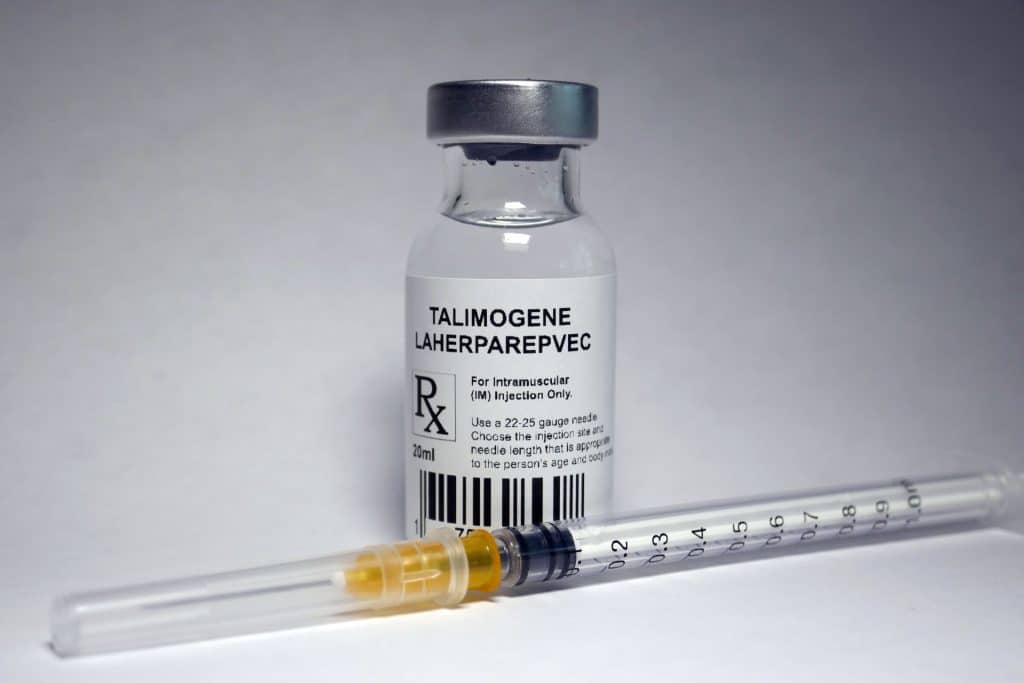
A vial labeled "Talimogene Laherparepvec" and a syringe rest on a plain background as a type of immunotherapy treatment against melanoma skin cancer.

The Future of Skin Cancer Treatment: Innovations and Breakthroughs

Skin cancer treatment has undergone remarkable advancements in recent years, moving beyond traditional therapies like surgery and chemotherapy. With new innovations in immunotherapy, artificial intelligence (AI) diagnostics, gene therapy, and non-invasive treatments, the future of skin cancer care is becoming increasingly targeted and personalised. This article explores the latest breakthroughs in skin cancer treatment and

The Future of Skin Cancer Treatment: Innovations and Breakthroughs Read More »

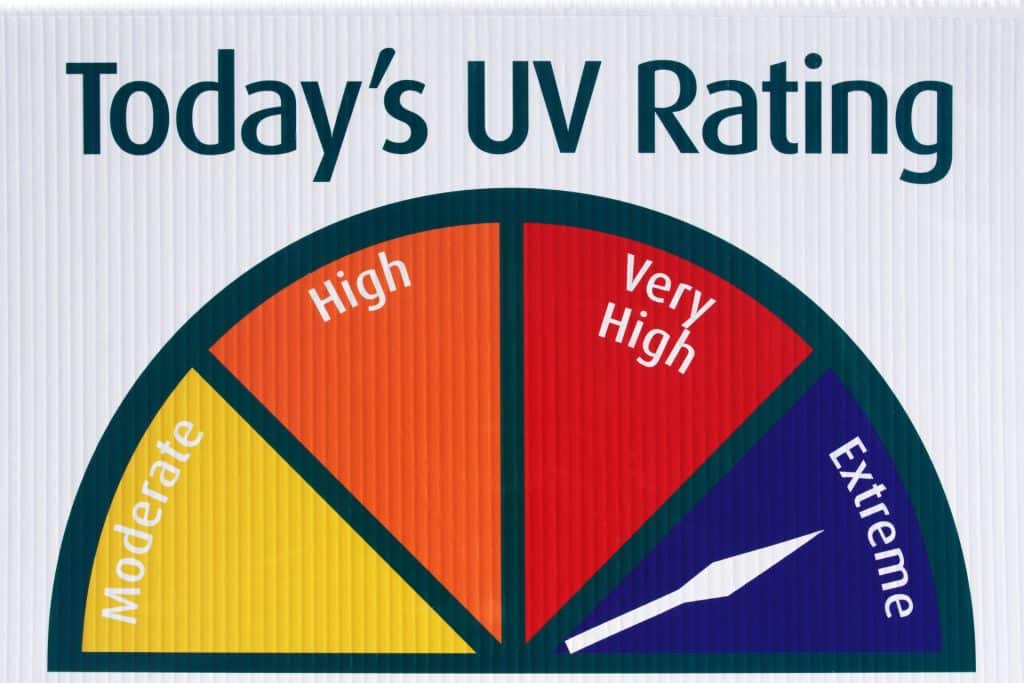
A UV rating sign displays a needle in the "Extreme" section of a gauge, indicating heightened risk. The sections labeled Moderate, High, Very High, and Extreme highlight potential skin cancer dangers from overexposure under such conditions.

The Role of Ultraviolet Light in Melanoma: A Balanced Perspective

At ISO Skin Cancer Clinic, we understand the importance of evidence-based discussions when it comes to ultraviolet (UV) light and melanoma risk. While UV exposure is often cited as the primary environmental factor in melanoma development, some scientific arguments challenge its role as the sole cause. This article will explore both perspectives, examine the evidence

The Role of Ultraviolet Light in Melanoma: A Balanced Perspective Read More »

An outdoor construction worker, clad in an orange vest and yellow hard hat, assesses an excavator under the sun's bright rays, aware of the risk prolonged exposure might pose to skin cancer.

Sun Safety for Outdoor Workers: Reducing Your Skin Cancer Risk

Outdoor workers spend significant time under the sun, making them one of the highest-risk groups for skin cancer. Unlike the general population, they are exposed to cumulative, long-term ultraviolet (UV) radiation, which significantly increases their risk of developing basal cell carcinoma (BCC) and squamous cell carcinoma (SCC)​. This article explores why outdoor workers face a

Sun Safety for Outdoor Workers: Reducing Your Skin Cancer Risk Read More »

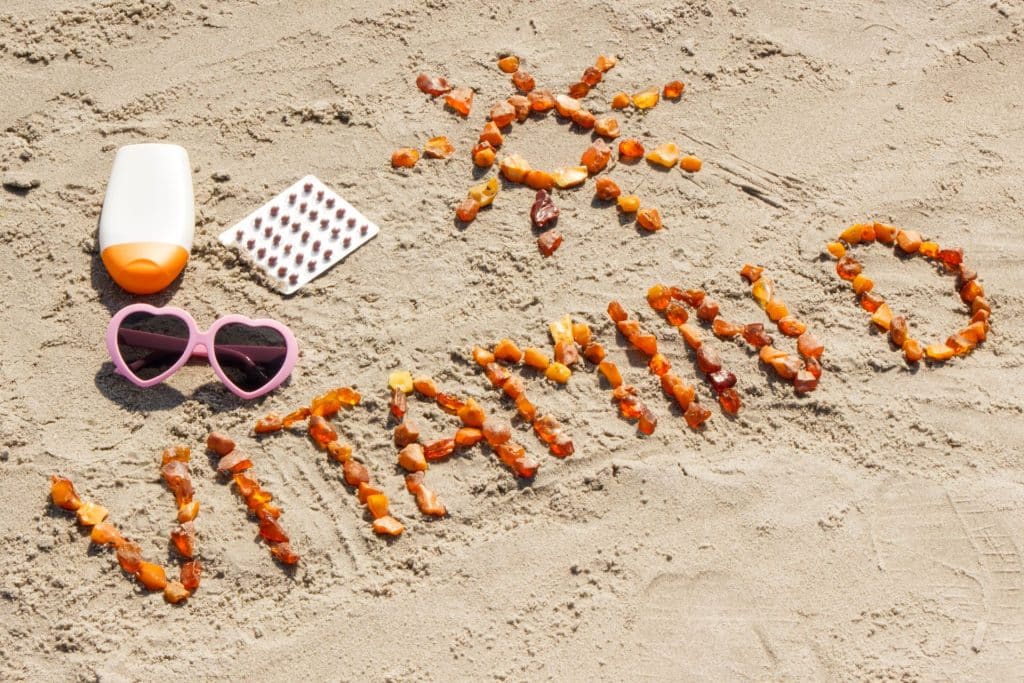
Pebbles arranged on the sand spell "VITAMIN D" with a sun symbol. Nearby are sunglasses, sunscreen, and a blister pack, highlighting awareness of vitamin D deficiency and its health impacts.

Vitamin D Deficiency: Health Impacts, Supplements, and Safe Sun Exposure

At ISO Skin Cancer Clinic, we frequently receive questions about vitamin D deficiency and its relationship with bone health, immune function, and even skin cancer risk. While vitamin D is essential for overall health, balancing sun exposure with the risk of skin cancer is crucial. In this article, we will explore the effects of vitamin

Vitamin D Deficiency: Health Impacts, Supplements, and Safe Sun Exposure Read More »

Four women of diverse backgrounds, each showcasing different skin types. Their unity serves as a reminder of the importance of understanding risks and prevention in skin cancer.

Skin Cancer in Different Skin Types: Risks and Prevention

Skin cancer is commonly associated with fair-skinned individuals, but it can affect people of all skin tones. While lighter skin types have a higher overall risk, those with darker skin tones often experience delayed diagnosis, leading to worse outcomes. At ISO Skin Cancer Clinic, we emphasise the importance of sun protection for everyone, regardless of

Skin Cancer in Different Skin Types: Risks and Prevention Read More »