Dr Tina Fang

A person's back with multiple moles is examined by a hand pointing with a pencil while another points with a finger, highlighting the importance of early detection to spot melanoma skin cancer.

Understanding Melanoma Risk: A High-Risk Case Study at ISO Skin Cancer Clinic

At ISO Skin Cancer Clinic, we prioritise early detection and risk assessment for melanoma, particularly for high-risk individuals. A 29-year-old patient with Fitzpatrick type 3 skin, a strong family history of melanoma, and over 100 moles, presents a significantly elevated risk of developing melanoma compared to the general population. This article will provide a fact-based […]

Understanding Melanoma Risk: A High-Risk Case Study at ISO Skin Cancer Clinic Read More »
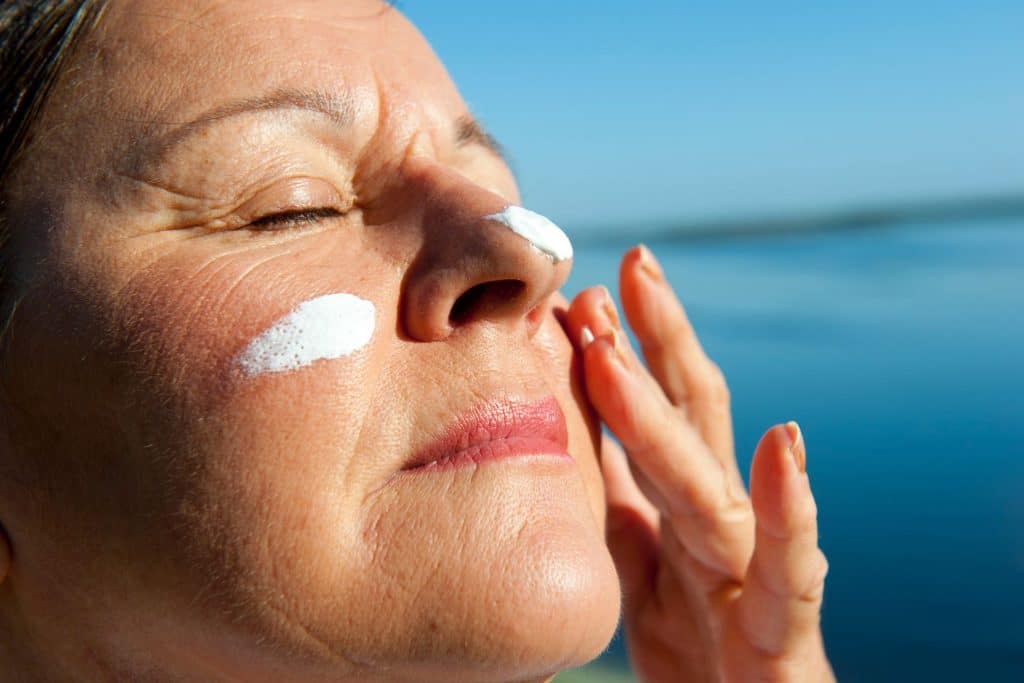
Under a clear blue sky by the water, a person applies sunscreen diligently to their face, aware of the role it plays in reducing skin cancer risk and the effects of UVA, UVB on skin.

The Impact of UVA, UVB, and Visible Light on Skin Cancer and Ageing

At ISO Skin Cancer Clinic, we are committed to educating our patients about the dangers of ultraviolet (UV) radiation and visible light exposure in relation to skin cancer and premature ageing. While UV exposure is widely recognised as a leading cause of skin cancer, visible light is also emerging as an important factor in skin

The Impact of UVA, UVB, and Visible Light on Skin Cancer and Ageing Read More »

A doctor in a white coat holds a patient's hands aware of psychological impact in discussing the diagnosis and potential skin cancer risk factors.

The Psychological Impact of Skin Cancer Diagnosis and Treatment

A skin cancer diagnosis can be a life-altering event, not only physically but also emotionally and psychologically. Many patients experience feelings of anxiety, depression, and body image concerns, especially if their treatment involves visible scars or disfigurement. The journey through diagnosis, treatment, and recovery can be challenging, but with the right coping strategies, support systems,

The Psychological Impact of Skin Cancer Diagnosis and Treatment Read More »

Three people sunbathing at the beach under the sun while aware of how climate and outdoor activities have impact on skin cancer risks.

How Climate and Geography Affect Skin Cancer Rates

Climate and geography play a crucial role in skin cancer prevalence, influencing UV exposure, ozone depletion, altitude, and behavioural patterns. Australia has one of the highest skin cancer rates globally, largely due to intense ultraviolet (UV) radiation and a fair-skinned population living in a high-risk environment​. Understanding the relationship between climate, geography, and skin cancer

How Climate and Geography Affect Skin Cancer Rates Read More »

A woman outdoors shields her eyes from the sun's rays while gazing at the sky, mindful of skin cancer risks for asians.

Debunking the Myth: Do Asians Not Get Skin Cancer?

There’s a common misconception that Asian skin is immune to skin cancer due to higher melanin levels. Many believe that people of Asian descent are naturally protected from the harmful effects of ultraviolet (UV) radiation and that skin cancer is a disease affecting only Caucasians. Unfortunately, this myth is dangerous, leading to lower awareness, delayed

Debunking the Myth: Do Asians Not Get Skin Cancer? Read More »

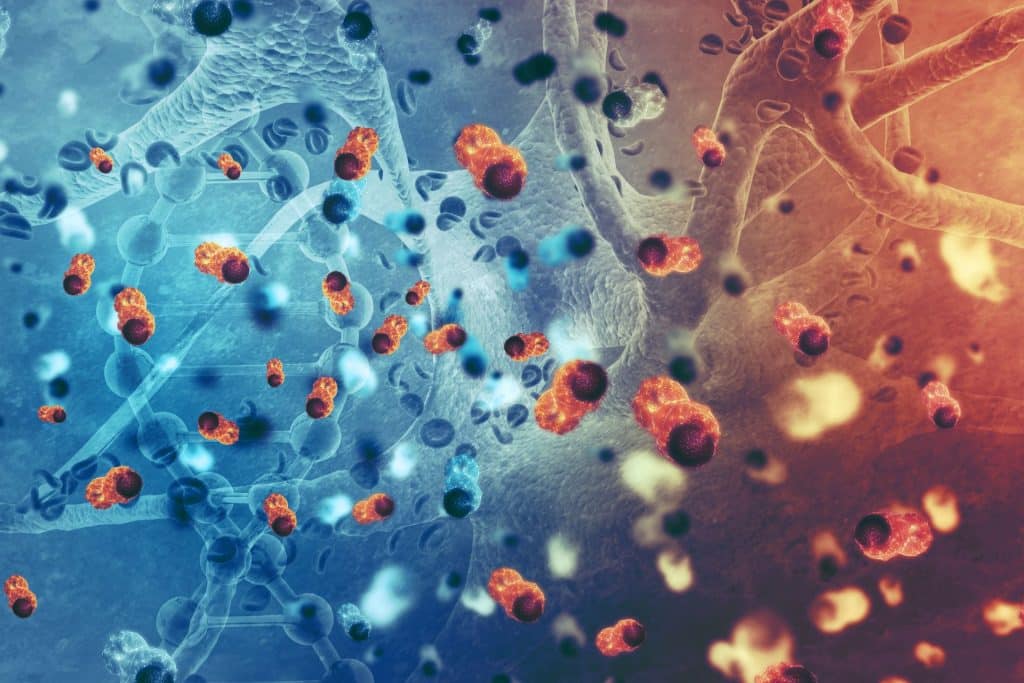
Abstract depiction of a DNA strand intertwined with genetics. Evolution of skin cancer.

The Evolution of Skin and Skin Cancer Through History

The Earliest Forms of Skin The earliest life forms on Earth had basic protective membranes, serving as the primitive ancestors of modern skin. Single-celled organisms developed phospholipid membranes that controlled nutrient exchange and waste removal​. As multicellular organisms emerged, their outer layers became more specialised, forming protective barriers against environmental threats. Among the earliest multicellular

The Evolution of Skin and Skin Cancer Through History Read More »

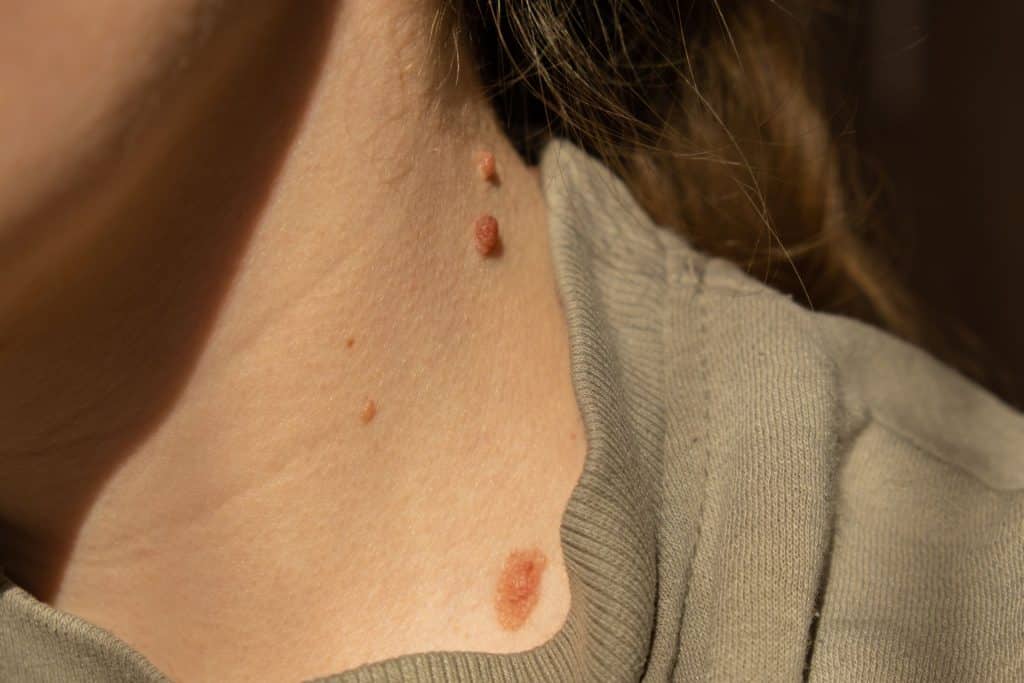
Close-up of a person's neck with multiple skin tags in varying sizes, hinting at the subtle interplay between UV light and potential melanoma skin cancer risks.

Non-Melanoma Skin Cancers: Basal Cell and Squamous Cell Carcinoma Explained

Non-melanoma skin cancers (NMSCs) are the most common types of skin cancer worldwide, with Basal Cell Carcinoma (BCC) and Squamous Cell Carcinoma (SCC) being the two predominant forms. While they are generally less aggressive than melanoma, they can still cause significant morbidity and, in some cases, mortality if left untreated​. This article provides a detailed

Non-Melanoma Skin Cancers: Basal Cell and Squamous Cell Carcinoma Explained Read More »

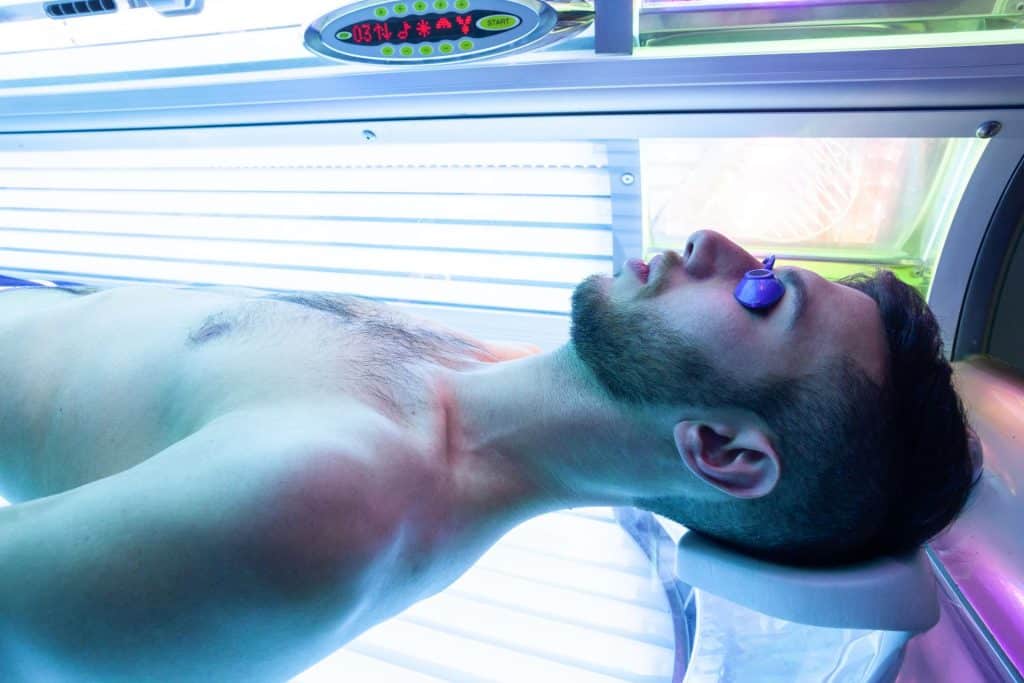
Person lying in a tanning bed with protective eyewear while mindful of the impact and risks of developing melanoma skin cancer.

The Dangers of Tanning: How UV Exposure Contributes to Skin Cancer

Tanning, whether from natural sunlight or artificial sources like sunbeds, poses significant risks to skin health. While many people associate tanned skin with beauty and vitality, the reality is that tanning damages the skin’s DNA and significantly increases the risk of skin cancer. Understanding the science of ultraviolet (UV) radiation, the long-term effects of tanning,

The Dangers of Tanning: How UV Exposure Contributes to Skin Cancer Read More »