ISO Clinic News

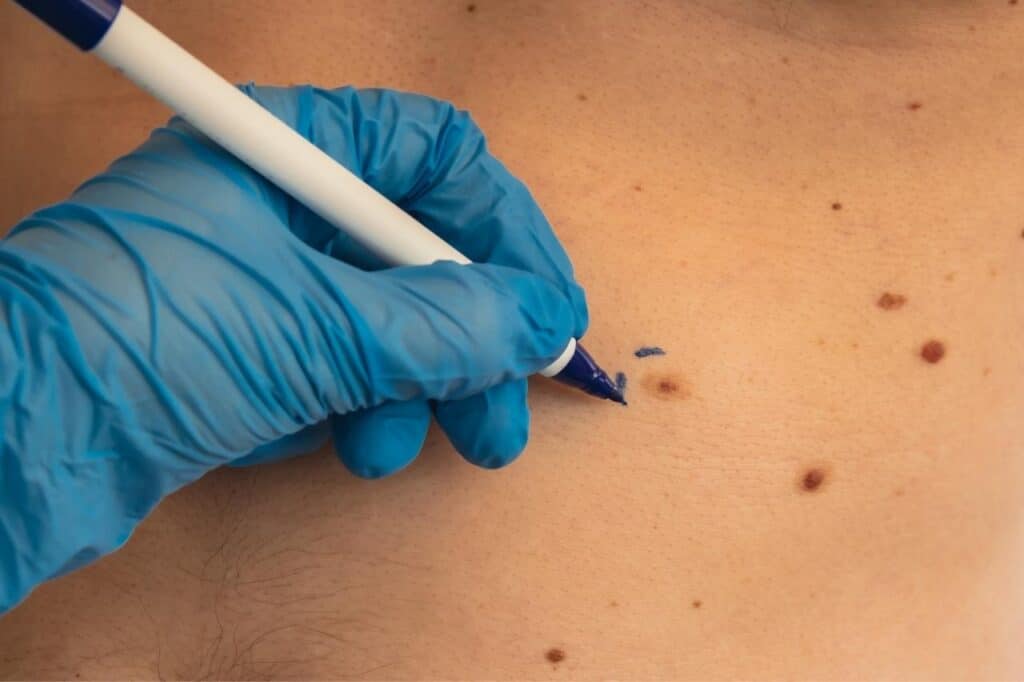
A gloved hand uses a pen to mark a mole on skin before fraxel laser treatment for prevention and treatment of skin cancer.

The Immunological Revolution: How Fractional Laser Changes Skin’s Ability to Prevent Cancer

For decades, our approach to skin cancer prevention has been largely passive: we advised patients to use sunscreen, avoid sun exposure, and seek early treatment when suspicious lesions appeared. Whilst these strategies remain important, recent research has revealed a remarkable new dimension to skin cancer prevention that challenges our traditional understanding. Fractional laser technology, particularly
The Immunological Revolution: How Fractional Laser Changes Skin’s Ability to Prevent Cancer Read More »

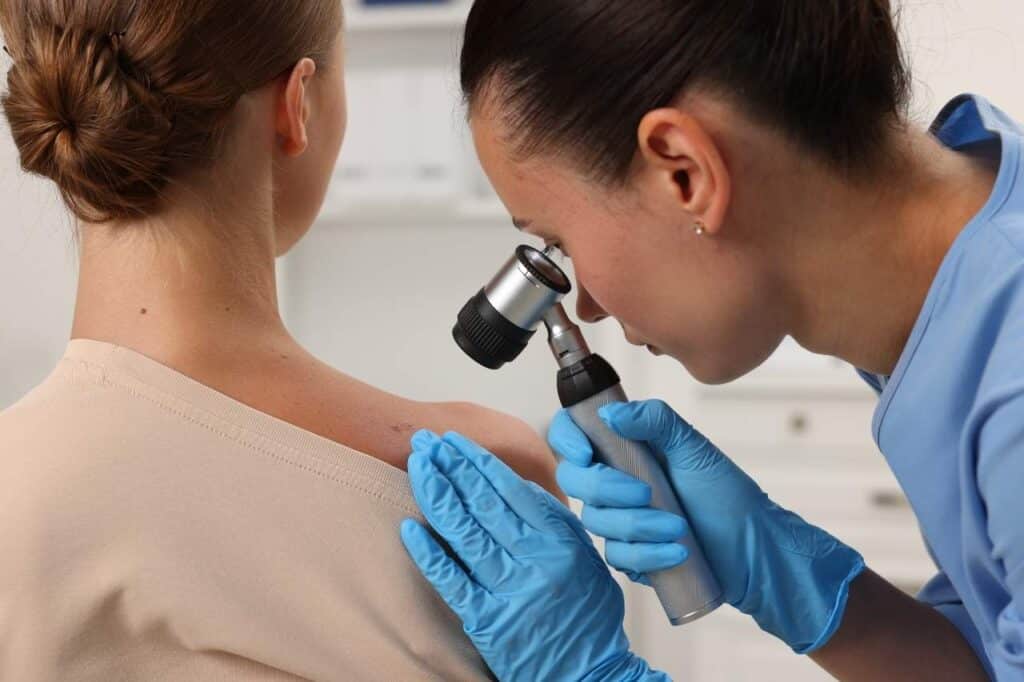
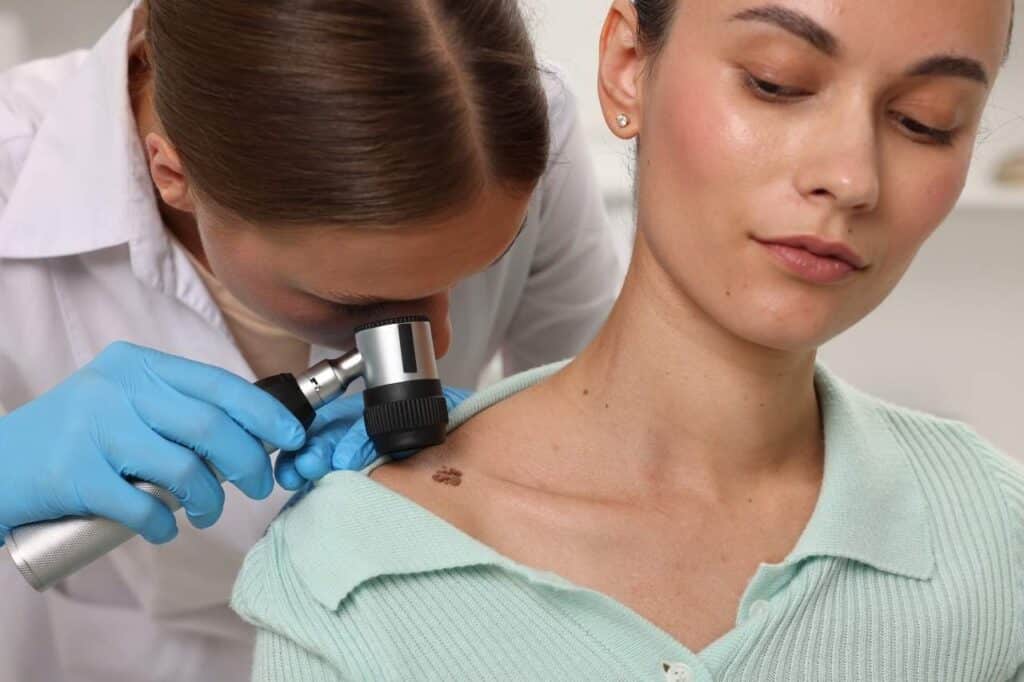
A healthcare professional examines a mole on a woman's shoulder with a dermatoscope to check for signs of Bowen's Disease, also known as Intraepidermal Carcinoma.

Intraepidermal Carcinoma and Bowen’s Disease: PDT as a First Line Treatment

When discussing skin cancer, most people think of melanoma or basal cell carcinoma. However, there is another category of skin malignancies that, whilst less commonly discussed, represents an important clinical concern and an excellent opportunity for early intervention. Intraepidermal carcinoma, also known as squamous cell carcinoma in situ or Bowen’s disease, is a precancerous lesion

Intraepidermal Carcinoma and Bowen’s Disease: PDT as a First Line Treatment Read More »

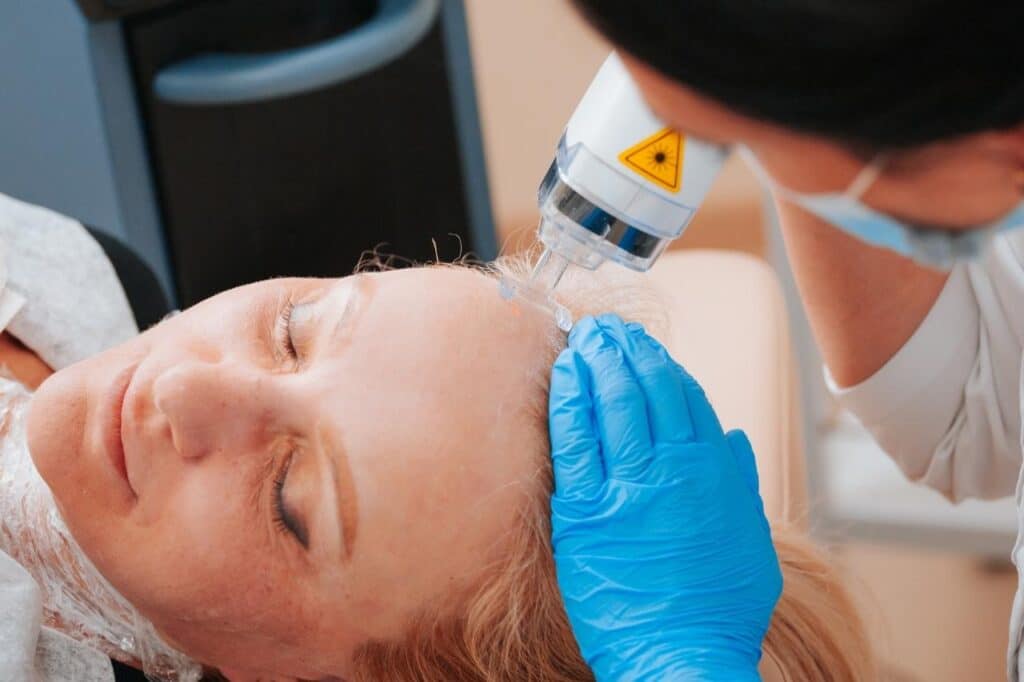
A woman lies with her eyes closed while a medical professional in blue gloves performs a Fraxel laser cosmetic procedure on her forehead to treat Basal Cell Carcinoma.

Superficial Basal Cell Carcinoma: Early Treatment with PDT and Fraxel

The diagnosis of basal cell carcinoma (BCC) can be alarming, but it is important to understand that not all skin cancers are created equal. Superficial basal cell carcinoma, which accounts for approximately 15 to 35% of all BCCs, is the least aggressive form of this cancer and, when detected early, can often be treated with

Superficial Basal Cell Carcinoma: Early Treatment with PDT and Fraxel Read More »

A medical professional examines a mole on a patient's shoulder using a dermatoscope, highlighting the importance of skin cancer prevention.

Combining PDT and Fraxel Laser: A Synergistic Approach to Skin Cancer Prevention

In the pursuit of optimal skin health and comprehensive skin cancer prevention, the combination of two powerful technologies Photodynamic Therapy (PDT) and the Fraxel 1940 non ablative fractional laser offers a synergistic approach that is greater than the sum of its parts. This combination, known as laser assisted PDT, represents the cutting edge of non

Combining PDT and Fraxel Laser: A Synergistic Approach to Skin Cancer Prevention Read More »

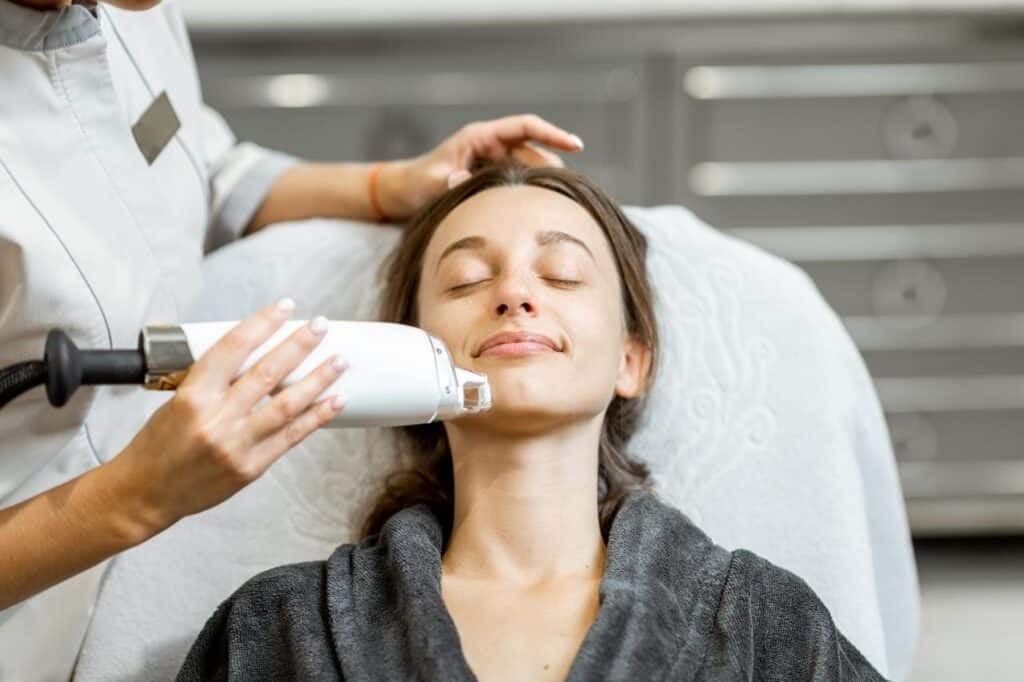
A woman is lying back with her eyes closed while a professional uses advanced fractional laser technology on her face in a clinical setting.

The Fraxel 1940 Laser: How Fractional Laser Technology Prevents Skin Cancer

In recent years, the field of dermatology has witnessed a paradigm shift in our understanding of how laser technology can be used not just to treat existing skin conditions, but to actively prevent the development of skin cancer. At the forefront of this revolution is the Fraxel 1940 non ablative fractional laser, a sophisticated technology

The Fraxel 1940 Laser: How Fractional Laser Technology Prevents Skin Cancer Read More »

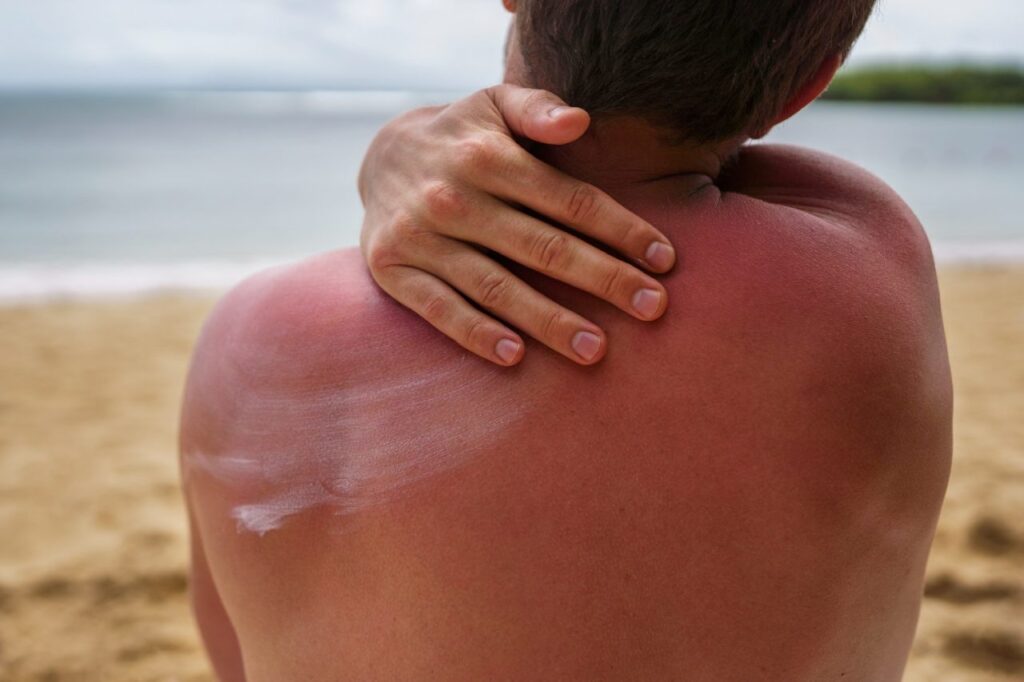
A person with a sunburned back, mindful of the warning sign of Actinic Keratosis, applies sunscreen while sitting on a sandy beach near the water.

Actinic Keratosis: Your First Warning Sign and How PDT Can Help

Living under the brilliant Australian sun is a quintessential part of our culture, but it comes with a responsibility to be vigilant about our skin’s health. One of the most common signs of cumulative sun damage is the appearance of actinic keratosis, often referred to as solar keratosis. These small, scaly patches of skin may

Actinic Keratosis: Your First Warning Sign and How PDT Can Help Read More »

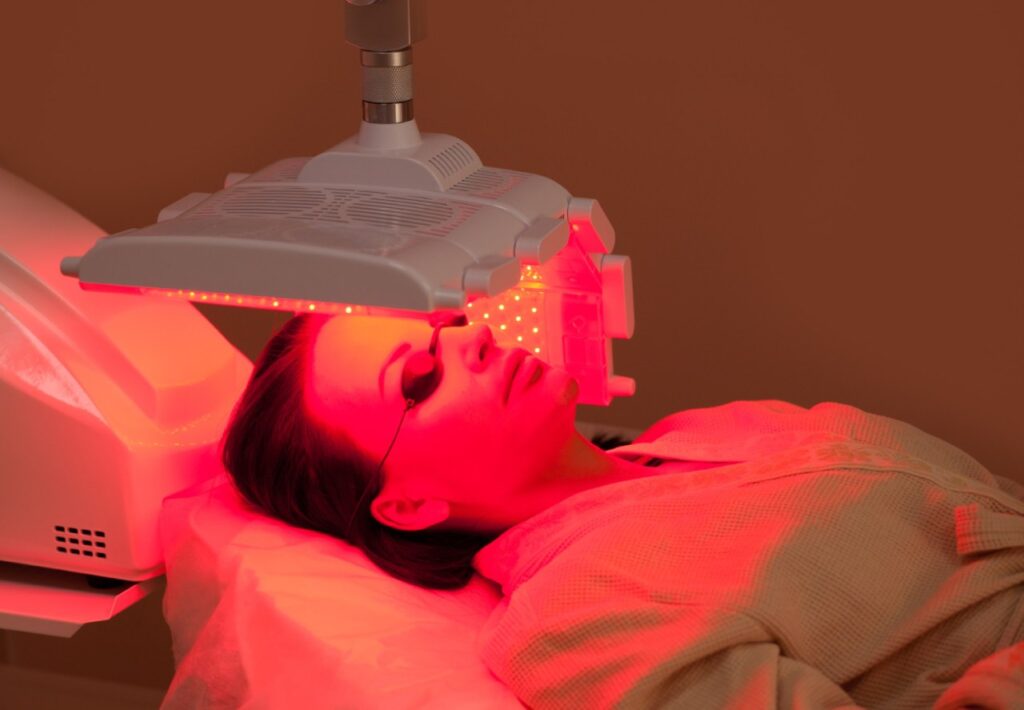
A person lies on a clinic bed receiving red light therapy on their face, wearing protective goggles under an LED light panel—a treatment often used in photodynamic therapy for skin cancer prevention.

Understanding Photodynamic Therapy as a Skin Cancer Prevention Tool

In the sun drenched landscapes of Australia, where the sun’s embrace is a cherished part of our lifestyle, the importance of proactive skin health measures cannot be overstated. Whilst we enjoy the outdoors, our skin is constantly exposed to ultraviolet (UV) radiation, a primary contributor to the development of skin cancer. At ISO Skin Cancer

Understanding Photodynamic Therapy as a Skin Cancer Prevention Tool Read More »

A woman sits at a table with a laptop, holding a credit card and smiling while opening a gift box during the June Campaign. Wrapped gifts, flowers, and a Spin the Wheel sign hint that Everyone’s a Winner this season.

June Campaign: Bring a Pair to Spin the Wheel – Everyone’s a Winner!

This June, we’re adding a bit of fun to your skin health journey. At ISO Skin Cancer Clinic, we’re launching an exciting “Bring a Pair to Spin the Wheel” campaign, and yes, there’s a prize for everyone. Whether you’ve already booked your full skin check appointment or are planning to soon, this is your chance

June Campaign: Bring a Pair to Spin the Wheel – Everyone’s a Winner! Read More »

A person's back with multiple moles is examined by a hand pointing with a pencil while another points with a finger, highlighting the importance of early detection to spot melanoma skin cancer.

Understanding Melanoma Risk: A High-Risk Case Study at ISO Skin Cancer Clinic

At ISO Skin Cancer Clinic, we prioritise early detection and risk assessment for melanoma, particularly for high-risk individuals. A 29-year-old patient with Fitzpatrick type 3 skin, a strong family history of melanoma, and over 100 moles, presents a significantly elevated risk of developing melanoma compared to the general population. This article will provide a fact-based

Understanding Melanoma Risk: A High-Risk Case Study at ISO Skin Cancer Clinic Read More »