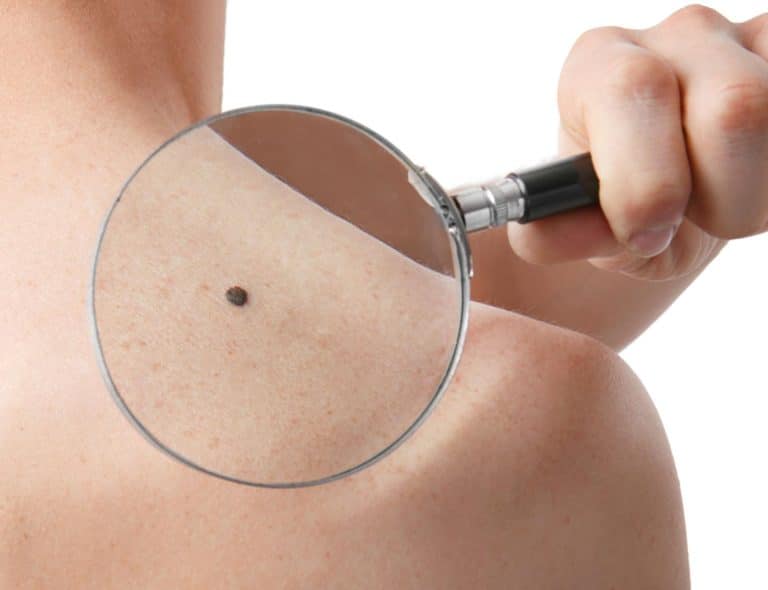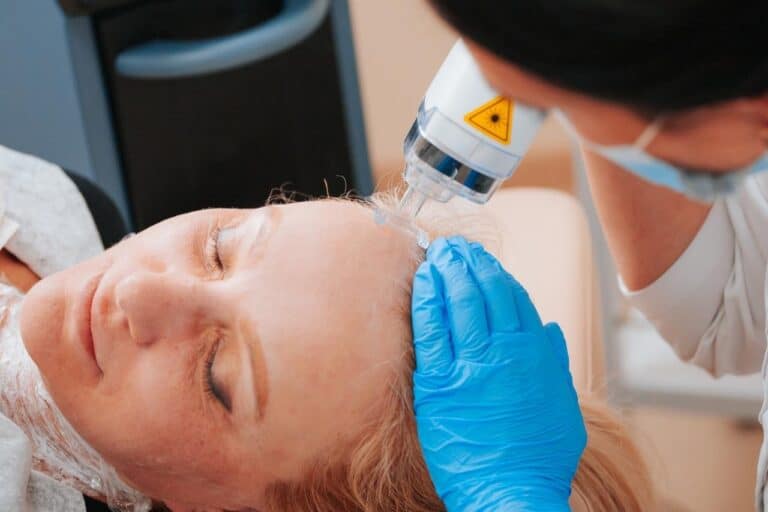
When we think about skin cancer prevention, we often focus on the elimination of abnormal cells and the prevention of malignant transformation. However, there is another crucial dimension to skin health that is equally important: the quality and integrity of the skin’s structural components. Collagen, the most abundant protein in the skin, provides the structural foundation that gives skin its strength, elasticity, and resilience. In photodamaged skin, collagen is degraded and disorganised, contributing not only to the visible signs of ageing but also to the increased risk of skin cancer development. Photodynamic Therapy (PDT), beyond its direct anti cancer effects, triggers a remarkable process of collagen remodelling that rebuilds healthy skin architecture. As a candidate for the Master of Skin Cancer Medicine at the University of Queensland, I, Dr. Tina Fang, have focused significant research on understanding these collagen remodelling processes and their implications for long term skin health.
This blog post will explore the role of collagen in skin health, explain how PDT stimulates collagen production, and discuss the long term benefits of collagen remodelling for skin quality and cancer prevention.
Understanding Collagen and Skin Health
Collagen is a fibrous protein that comprises approximately 70% of the skin’s dry weight and serves as the primary structural component of the dermis, the layer of skin beneath the epidermis. There are multiple types of collagen in the skin, with types I and III being the most abundant. Type I collagen provides tensile strength and structural support, whilst type III collagen contributes to skin elasticity and resilience.
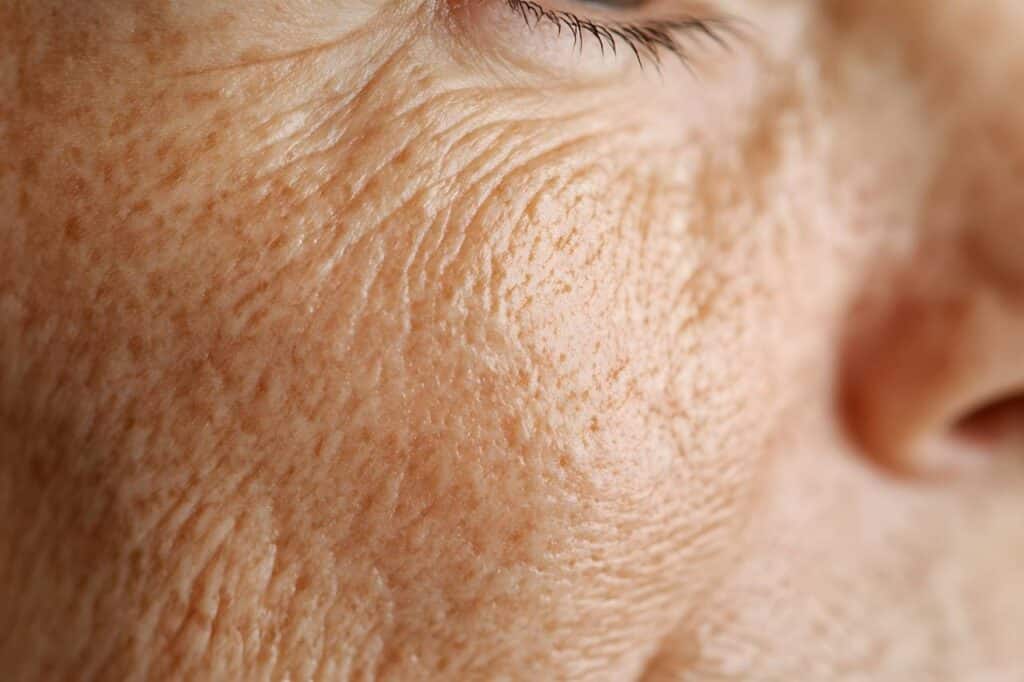
In healthy, young skin, collagen is organised into a regular, cross linked network that provides optimal structural support. However, with age and chronic sun exposure, this organised collagen network becomes degraded and disorganised. The cross links between collagen molecules are broken, and the collagen fibrils become fragmented. This degradation of collagen is one of the primary reasons that photodamaged skin appears wrinkled, loose, and aged.
Beyond its cosmetic implications, the degradation of collagen in photodamaged skin has important consequences for skin cancer risk. Disorganised collagen provides a less effective barrier to the penetration of carcinogens and may create an environment that is permissive for the development of cancer.
How PDT Stimulates Collagen Production
One of the remarkable effects of PDT is its ability to stimulate the production of new collagen. This occurs through several mechanisms. First, the phototoxic reaction induced by PDT creates a controlled injury to the skin that triggers the wound healing response. This response includes the recruitment of fibroblasts, the cells responsible for collagen production, to the treated area.
Second, PDT induces the production of cytokines and growth factors that promote fibroblast activity and collagen synthesis. These signalling molecules create an environment that is conducive to the production of new collagen.
Third, PDT has been shown to upregulate the expression of genes involved in collagen synthesis, leading to increased production of new collagen molecules. This upregulation occurs at the transcriptional level, meaning that the cells are actually producing more of the instructions for collagen production, leading to sustained increases in collagen synthesis.
Reduction in Elastic Material Degradation
In addition to stimulating new collagen production, PDT also has beneficial effects on elastic fibres, which are responsible for the skin’s elasticity and resilience. Photodamaged skin is characterised by degradation and fragmentation of elastic fibres, which contributes to the loss of skin elasticity and the development of wrinkles and laxity.
PDT has been shown to reduce the degradation of elastic material in the dermis. This occurs through the inhibition of matrix metalloproteinases (MMPs), which are enzymes that break down collagen and elastic fibres. By reducing the activity of these degradative enzymes, PDT helps to preserve the existing collagen and elastic fibre network whilst new collagen is being synthesised.
| Mechanism of Collagen Remodelling | Effect | Outcome |
| Wound Healing Response | Recruitment of fibroblasts | Increased collagen production |
| Cytokine Production | Activation of fibroblasts | Enhanced collagen synthesis |
| Gene Upregulation | Increased collagen gene expression | Sustained collagen production |
| MMP Inhibition | Reduced collagen degradation | Preservation of existing collagen |
Timeline of Collagen Remodelling
The collagen remodelling process induced by PDT is not instantaneous; it occurs over weeks and months following treatment. Research has shown that markers of collagen synthesis peak around 30 days post treatment, indicating that the most active phase of collagen production occurs in the first month after treatment.
However, the collagen remodelling process continues for several months after treatment. New collagen continues to be synthesised and organised into a more regular, cross linked network. This extended remodelling process contributes to the continued improvement in skin appearance and quality that many patients observe for months after PDT treatment.
Clinical Benefits Beyond Cancer Prevention
Whilst the primary focus of PDT in the context of this blog series is skin cancer prevention, the collagen remodelling effects of PDT have important clinical benefits beyond cancer prevention. Many patients who undergo PDT for the treatment of actinic keratoses or other precancerous lesions report significant improvements in the overall appearance and quality of their skin.
These improvements include reduction in fine lines and wrinkles, improvement in skin texture, reduction in skin laxity, and overall improvement in skin radiance and appearance. These cosmetic benefits are a direct result of the collagen remodelling process triggered by PDT.
Improved Skin Texture and Resilience
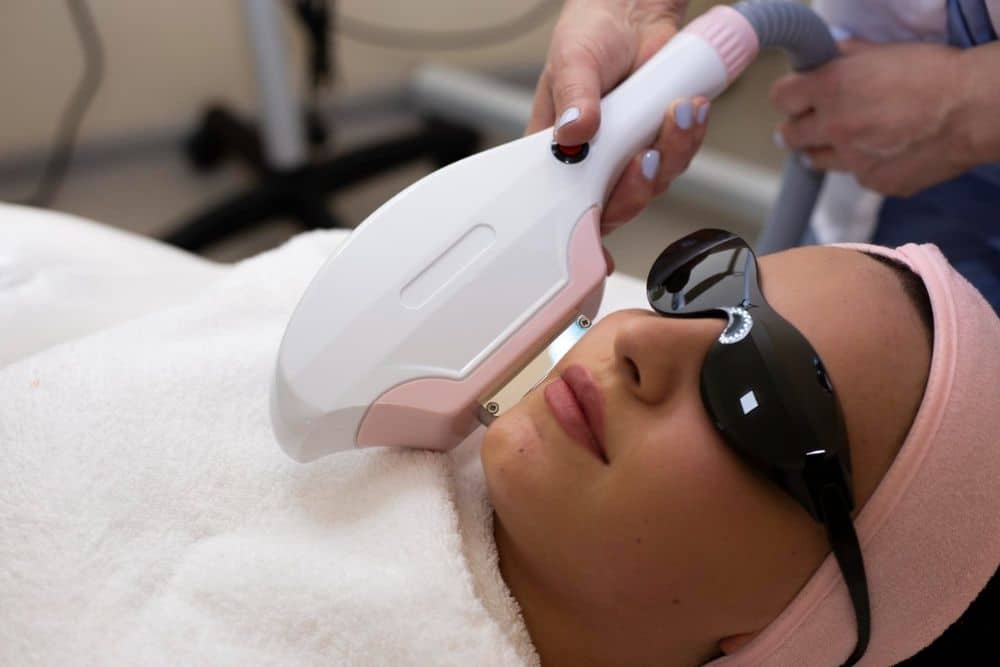
One of the most noticeable clinical benefits of the collagen remodelling induced by PDT is the improvement in skin texture. Photodamaged skin typically has a rough, irregular texture with visible pores and areas of hyperpigmentation. Following PDT, as new collagen is synthesised and organised, the skin texture becomes smoother and more uniform.
Additionally, the improved collagen network provides better structural support for the epidermis, leading to improved skin resilience. The skin becomes more resistant to further damage and better able to maintain its appearance over time.
Long Term Skin Quality Improvements
The benefits of collagen remodelling extend well beyond the immediate post treatment period. Patients who undergo PDT often report that their skin continues to improve for months after treatment, and that the improvements are sustained for years. This is because the new collagen that is synthesised following PDT is more organised and better cross linked than the degraded collagen it replaces.
Additionally, the enhanced collagen network provides better protection against further photodamage. Skin with a healthy collagen structure is more resistant to UV damage and other environmental insults.
Combination with Fractional Laser for Enhanced Collagen Remodelling
When PDT is combined with fractional laser therapy (laser assisted PDT), the collagen remodelling effects are further enhanced. The fractional laser creates controlled thermal damage that directly stimulates collagen production, whilst the PDT component provides additional stimulus for collagen synthesis through the mechanisms described above.
This combination approach results in more dramatic and more durable improvements in skin quality compared to either treatment alone. The enhanced collagen remodelling achieved with laser assisted PDT contributes to superior long term outcomes and sustained improvements in skin health.
Maintenance and Long Term Skin Health
To maintain the benefits of collagen remodelling achieved through PDT, it is important to adopt a comprehensive skin health regimen. This includes daily use of broad spectrum sunscreen to prevent further photodamage, use of retinoids to stimulate collagen production, adequate hydration, and a healthy diet rich in antioxidants.
Additionally, some patients may benefit from maintenance PDT treatments at regular intervals to continue to stimulate collagen production and to maintain optimal skin quality. Your cosmetic physician can advise you on the appropriate maintenance schedule for your individual situation.
Conclusion
The collagen remodelling effects of PDT represent one of the most important mechanisms by which this treatment contributes to long term skin health and cancer prevention. By stimulating the production of new, healthy collagen and reducing the degradation of existing collagen and elastic fibres, PDT rebuilds the structural foundation of the skin. This not only improves the visible appearance of the skin but also enhances the skin’s ability to resist further damage and to prevent the development of skin cancer.
At ISO Skin Cancer & Laser Clinic, we recognise the importance of collagen remodelling in achieving optimal skin health and cancer prevention. If you would like to learn more about how PDT can rebuild your skin’s collagen structure and improve your long term skin health, we encourage you to schedule a consultation with one of our experienced cosmetic physicians.
References
- Sullivan, J. R., & Sharpe, P. D. (2021). Photodynamic Therapy for Superficial Sun Damage. Opinions and Progress in Cosmetic Dermatology, 1(3), 36 40.
- Christiansen, K., Bjerring, P., & Troilius, A. (2007). 5 ALA for Photodynamic Photorejuvenation Optimization of Treatment Regime Based on Normal Skin Fluorescence Measurements. Lasers in Surgery and Medicine, 39(4), 302 310.