The Fascinating Science of Skin Thickness
When you apply moisturiser to your face, you might notice how delicate the skin feels around your eyes compared to the sturdy skin on your back. This difference is not a coincidence. Your skin is a highly complex organ that adapts its thickness and structure to suit the specific needs of different body parts. Understanding these variations is crucial for maintaining optimal skin health and recognising potential issues early.
The human body is covered in skin that varies dramatically in thickness. The thinnest skin is found on your eyelids, measuring a mere 0.3 millimetres. In stark contrast, the skin on your back boasts a dermis that is up to 3 millimetres thick. This tenfold difference in thickness serves distinct evolutionary and practical purposes. The epidermis, which is the outermost layer, and the dermis beneath it, work together to provide a barrier against the outside world. On your back, this barrier is fortified to an extraordinary degree.
Evolutionary Protection: Why Your Back Needs Armour
To understand why the skin on your back is so robust, we must look back at human evolution. Our ancestors faced numerous physical threats in their environment. The back, being a large and vulnerable area, required extra protection from predators, environmental hazards, and physical trauma. A thicker dermis provided a natural suit of armour, shielding vital organs and reducing the risk of severe injury.
This evolutionary adaptation means that the skin on your back is incredibly resilient. It contains a dense network of collagen and elastin fibres, which give it strength and elasticity. The sheer volume of these structural proteins in the back skin is what makes it feel so much firmer than the skin on your face. However, this toughness also means that when issues arise, they can sometimes be more challenging to detect and treat. The thick dermal layer can mask the early development of abnormal cells, allowing them to grow deeper before they become noticeable on the surface.

The Delicate Balance of Facial Skin
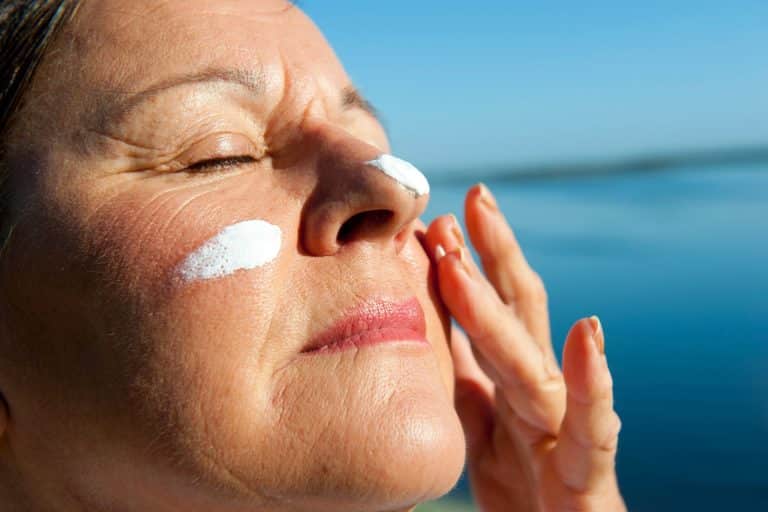
Conversely, the skin on your face, particularly around the eyelids, is designed for flexibility and sensitivity. The thinness of this skin allows for the intricate muscle movements required for facial expressions and blinking. It also means that facial skin is more susceptible to environmental damage, such as ultraviolet radiation from the sun. The lack of a thick protective dermis means that collagen breakdown happens more visibly here, leading to fine lines and wrinkles.
Over time, exposure to the sun can lead to significant changes in the skin. If you are curious about how this process works, you might find it helpful to read about The True Cause of Ageing Skin: Sun Damage vs Natural Ageing. Protecting your delicate facial skin with sunscreen and protective clothing is essential for preventing premature ageing and reducing the risk of skin cancer. The face is exposed to the sun almost every day of your life, making it a prime location for sun damage to accumulate.
Clinical Relevance: Skin Cancer Surgery and Skin Thickness
The variation in skin thickness across the body has significant implications for medical procedures, particularly skin cancer surgery. When a doctor removes a skin lesion, they must consider the thickness and elasticity of the surrounding skin to ensure proper healing and minimise scarring. The surgical approach must be tailored to the specific anatomical location.
On the back, the thick dermis can make surgical excisions more complex. The skin is under higher tension due to the constant movement of the torso and shoulders. This tension means that wounds may take longer to heal and have a higher risk of stretching or forming noticeable scars. Surgeons must use specific techniques, such as placing deep internal stitches, to close wounds on the back securely and relieve the tension on the surface of the skin.
In contrast, surgery on the face requires extreme precision due to the thinness of the skin and the proximity to vital structures like the eyes and nerves. The delicate nature of facial skin means that surgeons must be meticulous to achieve the best cosmetic and functional outcomes. The blood supply to the face is excellent, which aids in rapid healing, but the aesthetic stakes are incredibly high.
Hidden Dangers: Why Every Part of Your Body Needs Attention
While we often focus our skincare efforts on our face, it is vital to remember that skin cancer can develop anywhere on the body. The thick skin on your back can sometimes obscure the early signs of skin cancer, making regular checks essential. Because you cannot easily see your own back, lesions can grow unnoticed for longer periods. Melanoma, one of the most serious forms of skin cancer, frequently appears on the backs of both men and women.
Other areas of the body can also be surprisingly vulnerable. For instance, you might not think to check under your hair, but understanding Why the Scalp Is a Sneaky Hiding Place for Skin Cancer is crucial for comprehensive sun protection. The scalp is frequently exposed to the sun, yet it is often overlooked during routine self examinations. Hair provides some protection, but it is not a complete barrier against harmful ultraviolet rays.
The Importance of Professional Skin Checks
Given the complexities of skin thickness and the hidden areas where skin cancer can develop, relying solely on self examinations is not enough. A professional evaluation ensures that every part of your body, from the delicate eyelids to the robust back, is thoroughly assessed. Medical professionals have the training and equipment to see beyond the surface layer of the skin.
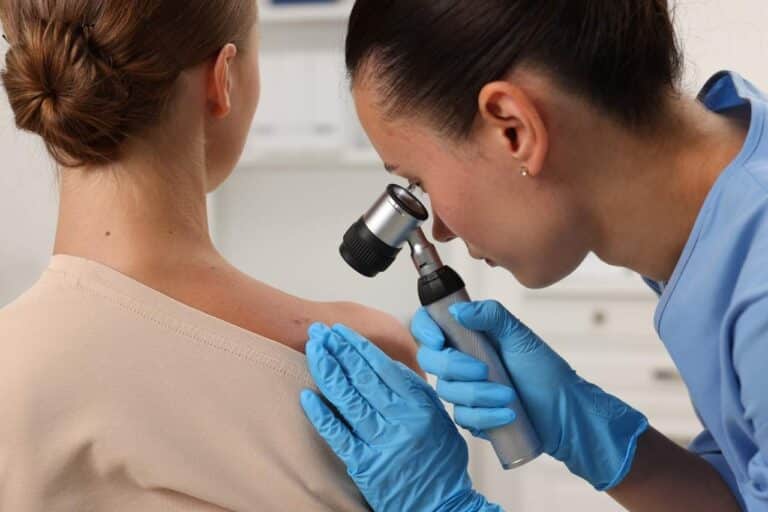
If you have never had a professional evaluation, you might wonder What Happens During a Full Body Skin Check. During this process, a trained medical professional uses specialised tools, such as a dermatoscope, to examine your skin closely. This instrument magnifies the skin and allows the doctor to see the structures just below the surface, identifying any suspicious changes that might not be visible to the naked eye. This comprehensive approach is the most effective way to detect skin cancer early, when it is most treatable.
Protecting Your Skin at Every Thickness
Regardless of whether the skin is 0.3 millimetres or 3 millimetres thick, protection from ultraviolet radiation is paramount. The sun does not discriminate based on skin thickness. In fact, the thick skin on your back can sustain significant sun damage over years of incidental exposure, such as during outdoor activities, gardening, or beach visits.
To protect your skin effectively, adopt a comprehensive sun safety routine. Apply a broad spectrum sunscreen generously to all exposed areas, including your back, neck, and ears. It is often helpful to ask a partner or friend to help apply sunscreen to your back to ensure complete coverage. Wear protective clothing, seek shade during peak ultraviolet hours, and wear a broad brimmed hat and sunglasses. Remember that ultraviolet radiation can penetrate clouds and glass, so daily protection is necessary even on overcast days.
Understanding Your Skin for Better Health
Your skin is a remarkable organ that works tirelessly to protect you. By understanding its unique characteristics, such as the dramatic differences in thickness between your face and your back, you can take proactive steps to maintain its health and vitality. Knowledge is a powerful tool in the fight against skin cancer and premature ageing.
Regular professional evaluations are a cornerstone of effective skin care and cancer prevention. They provide peace of mind and ensure that any potential issues are addressed promptly. Do not wait for a visible problem to arise before seeking professional advice.
Take Action for Your Skin Health
Taking care of your skin is a lifelong commitment that requires both daily diligence and professional support. Ensure your skin is thoroughly evaluated by booking comprehensive skin cancer checks. If you require treatments for sun damaged skin, exploring options like photodynamic therapy can be highly beneficial for rejuvenating your skin and addressing precancerous changes. Take control of your skin health today by visiting our booking page to schedule your appointment.