When you notice lines, discolouration or a leathery texture in the mirror, it’s tempting to blame only time. Ageing skin is partly about the clock—your genetics and the natural decline in cell function—but in Australia much of what you see is shaped by environmental factors you can change. Separating natural, chronological ageing from sun damage (photoageing) helps you make sensible decisions about protecting skin and reducing risk.
Intrinsic ageing versus extrinsic ageing
Doctors and skin scientists often describe two overlapping processes: intrinsic ageing and extrinsic ageing. Intrinsic ageing is the normal, genetically driven decline in skin function that happens with time. That includes slower cell turnover, reduced oil production and a natural fall in collagen and elastin, the proteins that keep skin firm and springy.
Extrinsic ageing comes from outside influences, with ultraviolet (UV) radiation from the sun being the dominant factor in Australia. Many studies suggest a large proportion of visible facial ageing—often estimated around three quarters—comes from accumulated UV exposure rather than genes alone. Photoageing tends to produce deeper wrinkles, uneven pigmentation and rougher texture compared with the finer lines of intrinsic ageing. That means while you cannot stop the clock, you can significantly reduce preventable damage.
How ultraviolet radiation damages skin
Ultraviolet radiation is invisible and not the same as heat: you can’t see or feel it. UV has different wavelengths. UVB (Ultraviolet B) causes sunburn on the skin’s surface. UVA (Ultraviolet A) penetrates deeper into the dermis, the living layer below the outer epidermis, and contributes to long-term structural damage. UVA is present during daylight hours and can pass through some glass; UVB varies more with season and angle of the sun.
When UV reaches skin cells it triggers chemical and cellular changes. Enzymes called matrix metalloproteinases (MMPs) increase and break down collagen and elastin. Collagen provides strength and structure; elastin lets skin stretch and recoil. Excessive breakdown and reduced replacement of these fibres lead to sagging and deep creases over time. UV also causes uneven pigment production and can damage DNA in skin cells, which is why sun protection matters both for appearance and cancer risk.
Because Australia sits in the southern hemisphere with strong sunlight for much of the year, local UV patterns are an important consideration. If you’d like more background on why our sunlight is intense in this part of the world, see Southern Hemisphere UV Intensity. For a reminder of the many roles skin plays in protecting the body, read about how it evolved as our first organ.
Structural changes beneath the surface
Some of the most important changes are out of sight. The dermo-epidermal junction is the boundary where the outer epidermis meets the deeper dermis. In young skin this junction is wavy, increasing the surface area for nutrient exchange and helping attach the layers securely. With ageing and chronic UV exposure the waves flatten, reducing nutrient transfer and making the epidermis thinner and more fragile. That contributes to a dull complexion and slower recovery from minor injuries.
Solar elastosis is another hallmark of significant sun damage. In healthy dermis, elastin fibres are orderly and support elasticity. Repeated UV exposure leads to damaged, tangled elastin and a build-up of abnormal protein that looks thickened and yellowish. This change is both cosmetic and a sign the skin has endured substantial UV stress.
These structural losses also affect healing. Collagen is essential when the skin repairs itself after cuts, biopsies or surgery. Less collagen means slower repair and an increased risk of noticeable scarring. Good nutrition helps provide the raw materials for repair. If you’re interested in how nutrients support healing, this article about skin thickness and resilience offers helpful context, and our piece on vitamin D and skin evolution explains why vitamin needs vary by individual and location.
Practical steps you can use now
In Australia the most effective step is consistent, combined sun protection whenever the UV Index is 3 or above. That means using several measures together: protective clothing, a broad-brimmed or legionnaire-style hat, shade, Australian-standard sunglasses, and a broad-spectrum, water-resistant sunscreen with SPF50+ applied generously about 20 minutes before going outdoors and reapplied every two hours or sooner after swimming, sweating or towel-drying. Remember that UV is invisible and can be present even on cooler or overcast days, so relying on temperature is not safe.
For skin already showing photoageing, medical treatments can help improve texture, reduce visible sun damage and treat precancerous changes. Options range from pigment-targeted procedures to resurfacing techniques; examples include Photodynamic Therapy and treatments aimed at pigmentation reduction. Non-ablative lasers and other resurfacing methods may be suitable for selected concerns. Any treatment for an uncertain pigmented lesion should follow a clinical assessment or biopsy before destructive procedures are considered.
Some supplements have specific, evidence-based roles in high-risk situations. For example, nicotinamide (vitamin B3) has shown benefit in selected people with a history of multiple non-melanoma skin cancers, but its use should follow medical advice and the protective effect does not persist after stopping. We do not recommend supplements as a substitute for sun protection or medical monitoring.
Take Action for Your Skin Health
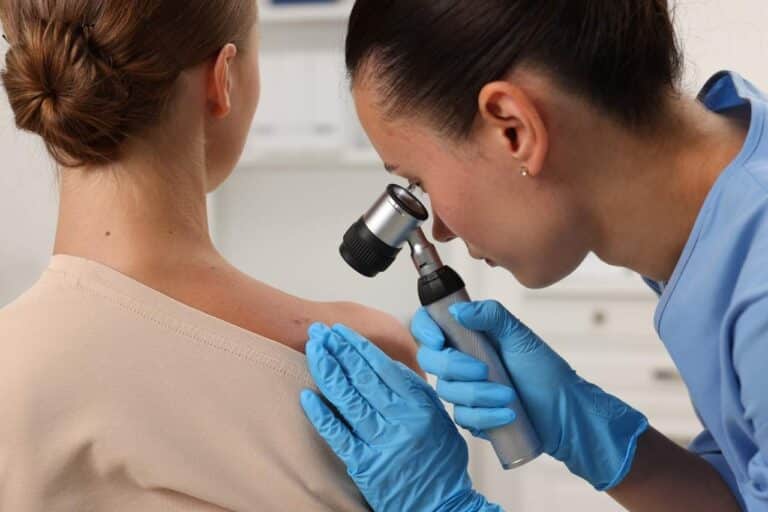
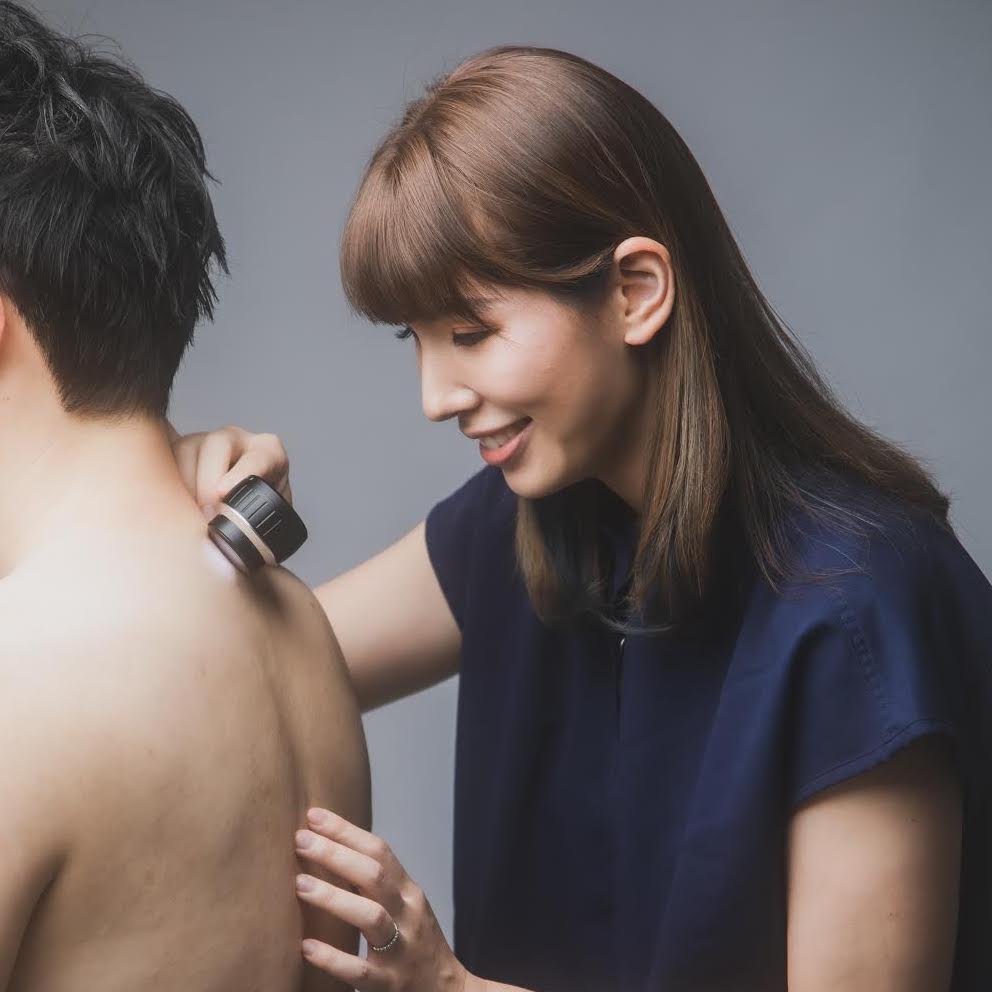
Understanding what causes ageing skin lets you focus on steps that protect both how your skin looks and your health. Watch for any new, changing, bleeding or non-healing spots and seek prompt professional assessment—early review reduces uncertainty and allows timely treatment if needed. Regular medical skin checks are an important part of care, especially if you have a personal or family history of skin cancer; you can read about our Skin Cancer Checks to learn what a thorough assessment involves.
If sun damage is affecting your skin, options that address precancerous changes and improve overall skin health are available. To discuss suitable treatments and a protective plan, including whether procedures such as pigmentation reduction or other medical therapies may help, arrange a consultation with a clinician experienced in sun-damaged skin.
When you’re ready to talk to a clinician about assessment or treatment, book a consultation with us online at https://bookings.isoclinic.com.au/