

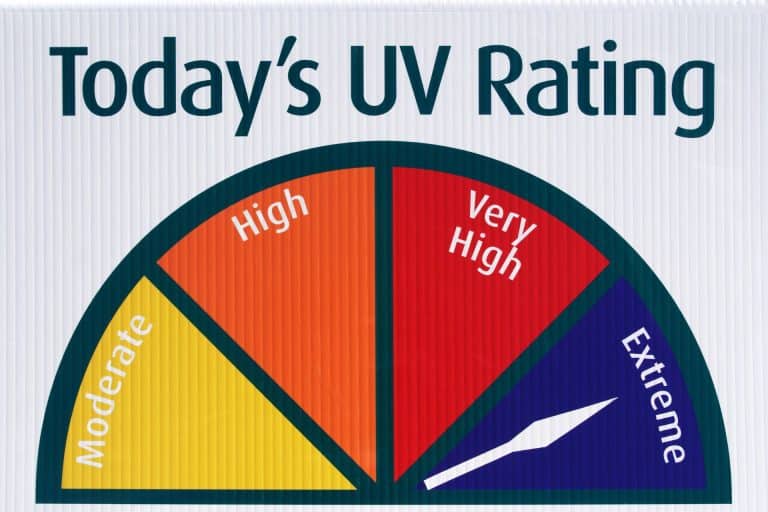
The Role of Ultraviolet Light in Melanoma: A Balanced Perspective
At ISO Skin Cancer Clinic, we understand the importance of evidence-based discussions when it comes to ultraviolet (UV) light and melanoma risk. While UV exposure is often cited as the primary environmental factor in melanoma development, some scientific arguments challenge its role as the sole cause. This article will explore both perspectives, examine the evidence

Sun Safety for Outdoor Workers: Reducing Your Skin Cancer Risk
Outdoor workers spend significant time under the sun, making them one of the highest-risk groups for skin cancer. Unlike the general population, they are exposed to cumulative, long-term ultraviolet (UV) radiation, which significantly increases their risk of developing basal cell carcinoma (BCC) and squamous cell carcinoma (SCC). This article explores why outdoor workers face a

Vitamin D Deficiency: Health Impacts, Supplements, and Safe Sun Exposure
At ISO Skin Cancer Clinic, we frequently receive questions about vitamin D deficiency and its relationship with bone health, immune function, and even skin cancer risk. While vitamin D is essential for overall health, balancing sun exposure with the risk of skin cancer is crucial. In this article, we will explore the effects of vitamin

Skin Cancer in Different Skin Types: Risks and Prevention
Skin cancer is commonly associated with fair-skinned individuals, but it can affect people of all skin tones. While lighter skin types have a higher overall risk, those with darker skin tones often experience delayed diagnosis, leading to worse outcomes. At ISO Skin Cancer Clinic, we emphasise the importance of sun protection for everyone, regardless of
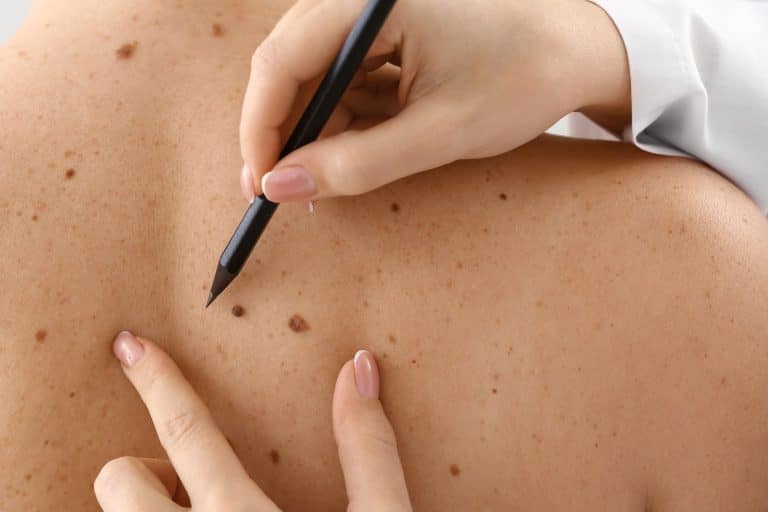
Understanding Melanoma Risk: A High-Risk Case Study at ISO Skin Cancer Clinic
At ISO Skin Cancer Clinic, we prioritise early detection and risk assessment for melanoma, particularly for high-risk individuals. A 29-year-old patient with Fitzpatrick type 3 skin, a strong family history of melanoma, and over 100 moles, presents a significantly elevated risk of developing melanoma compared to the general population. This article will provide a fact-based
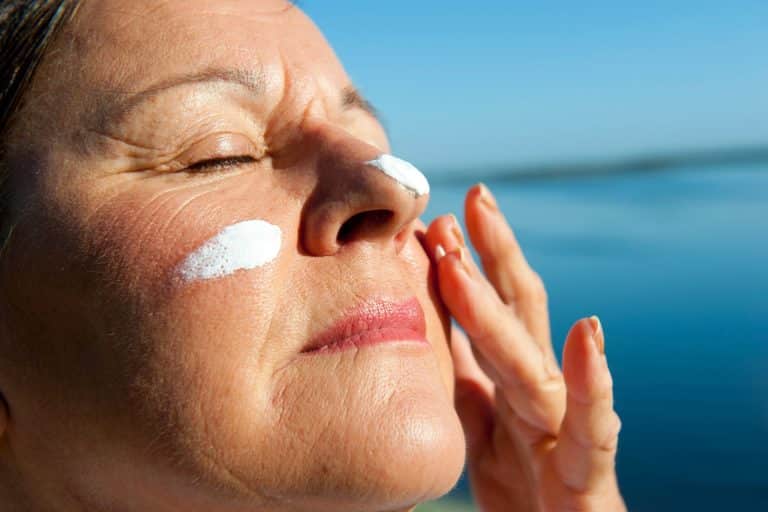
The Impact of UVA, UVB, and Visible Light on Skin Cancer and Ageing
At ISO Skin Cancer Clinic, we are committed to educating our patients about the dangers of ultraviolet (UV) radiation and visible light exposure in relation to skin cancer and premature ageing. While UV exposure is widely recognised as a leading cause of skin cancer, visible light is also emerging as an important factor in skin

The Psychological Impact of Skin Cancer Diagnosis and Treatment
A skin cancer diagnosis can be a life-altering event, not only physically but also emotionally and psychologically. Many patients experience feelings of anxiety, depression, and body image concerns, especially if their treatment involves visible scars or disfigurement. The journey through diagnosis, treatment, and recovery can be challenging, but with the right coping strategies, support systems,

Post-Surgical Wound Care & Dressings: A Practical Guide
Wound care plays a crucial role in healing after surgery. Using the right dressing and following proper care instructions can prevent infections, reduce pain, and promote faster recovery. This guide is designed for patients, nurses, and doctors to help with choosing the right dressing, managing wound issues, and knowing when to seek help. 1. Choosing

How Climate and Geography Affect Skin Cancer Rates
Climate and geography play a crucial role in skin cancer prevalence, influencing UV exposure, ozone depletion, altitude, and behavioural patterns. Australia has one of the highest skin cancer rates globally, largely due to intense ultraviolet (UV) radiation and a fair-skinned population living in a high-risk environment. Understanding the relationship between climate, geography, and skin cancer