


Debunking the Myth: Do Asians Not Get Skin Cancer?
There’s a common misconception that Asian skin is immune to skin cancer due to higher melanin levels. Many believe that people of Asian descent are naturally protected from the harmful effects of ultraviolet (UV) radiation and that skin cancer is a disease affecting only Caucasians. Unfortunately, this myth is dangerous, leading to lower awareness, delayed
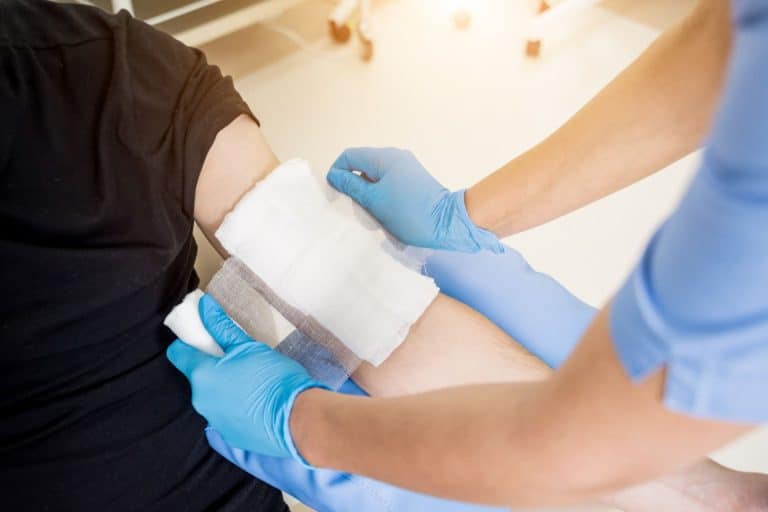
Patient Advice Sheet: After Your Skin Biopsy
Biopsy (Punch/Shave) You have had a skin biopsy today, which may have been a shave biopsy (removal of a thin layer of skin) or a punch biopsy (removal of a small deeper sample of skin). Below is some guidance on what to expect and how to care for your wound. What to Expect Wound Care
The Evolution of Skin and Skin Cancer Through History
The Earliest Forms of Skin The earliest life forms on Earth had basic protective membranes, serving as the primitive ancestors of modern skin. Single-celled organisms developed phospholipid membranes that controlled nutrient exchange and waste removal. As multicellular organisms emerged, their outer layers became more specialised, forming protective barriers against environmental threats. Among the earliest multicellular
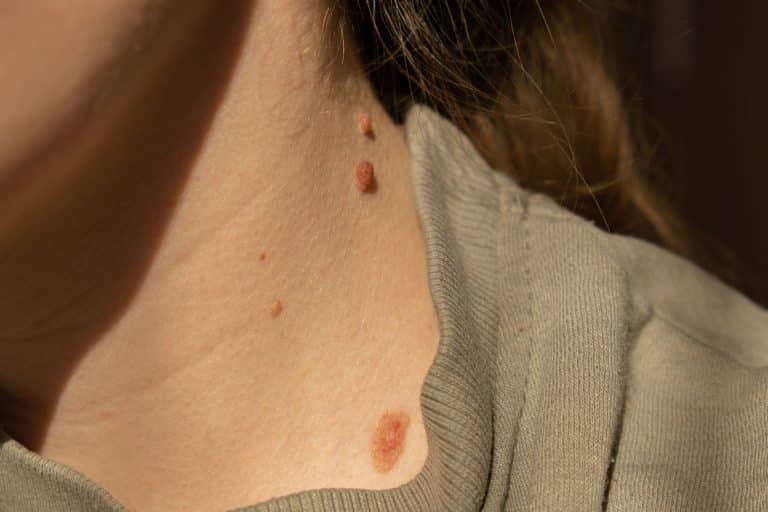
Non-Melanoma Skin Cancers: Basal Cell and Squamous Cell Carcinoma Explained
Non-melanoma skin cancers (NMSCs) are the most common types of skin cancer worldwide, with Basal Cell Carcinoma (BCC) and Squamous Cell Carcinoma (SCC) being the two predominant forms. While they are generally less aggressive than melanoma, they can still cause significant morbidity and, in some cases, mortality if left untreated. This article provides a detailed

The Dangers of Tanning: How UV Exposure Contributes to Skin Cancer
Tanning, whether from natural sunlight or artificial sources like sunbeds, poses significant risks to skin health. While many people associate tanned skin with beauty and vitality, the reality is that tanning damages the skin’s DNA and significantly increases the risk of skin cancer. Understanding the science of ultraviolet (UV) radiation, the long-term effects of tanning,

Melanotan: yay or nay?
In recent years, the pursuit of a sun-kissed complexion without the associated risks of ultraviolet (UV) exposure has led to the emergence of products like Melanotan. Marketed as a means to achieve a tan without sunbathing, Melanotan has garnered attention and controversy. This article delves into what Melanotan is, its purported benefits, associated risks, and
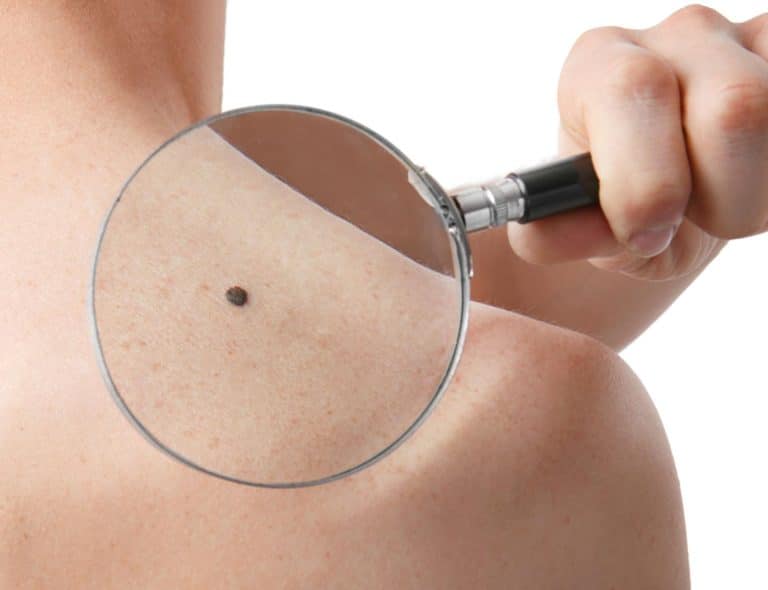
Understanding Melanoma: Causes, Symptoms, and Treatment Options
What is Melanoma? Understanding This Aggressive Skin Cancer Melanoma is the most dangerous form of skin cancer, arising from melanocytes—the cells responsible for producing melanin, the pigment that gives skin its colour. Although melanoma accounts for only a small percentage of skin cancer cases, it causes the majority of skin cancer-related deaths due to its
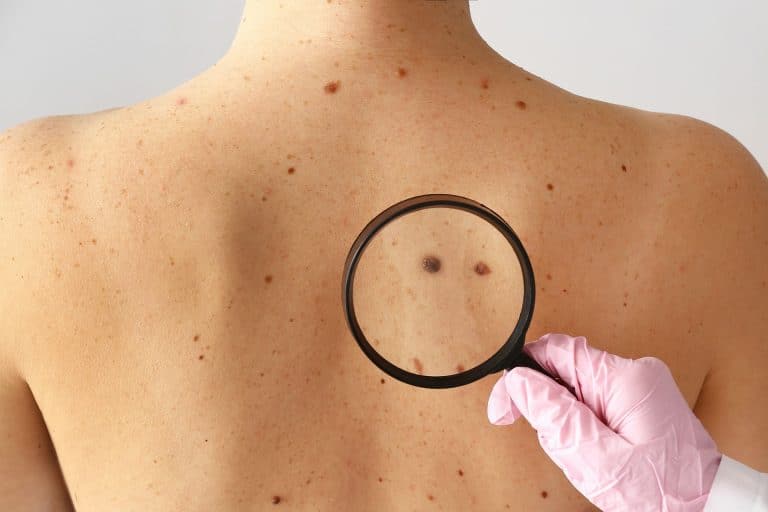
The Importance of Early Detection: How to Spot Skin Cancer Symptoms
Why Early Detection is Crucial for Skin Cancer Survival Rates Skin cancer is the most common form of cancer globally, and its incidence continues to rise due to factors such as increased ultraviolet (UV) exposure and lifestyle changes. Early detection plays a pivotal role in improving survival rates, reducing the need for extensive surgical interventions,
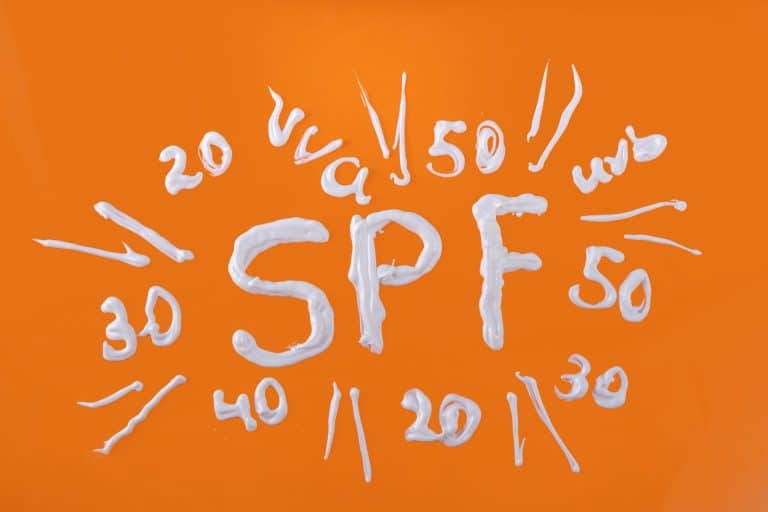
What SPF Should You Be Using?
Download our Infographic to SPF What is SPF? Sunscreen is a crucial part of sun protection, but have you ever wondered what SPF really means? SPF, or Sun Protection Factor, measures how well a sunscreen protects your skin from harmful UVB rays—the ones responsible for sunburn and increasing your risk of skin