Our skin is more than a covering — it is a working organ that defends, senses and repairs. One thin but powerful part of that defence is the acid mantle. If you are in your forties or older you may notice changes in how your skin feels, how it tolerates products and how quickly it recovers after sun exposure. Understanding the acid mantle helps you protect skin that has had decades of sun exposure, and makes sensible choices about prevention and treatment.
What is the acid mantle?
The acid mantle is a very thin, slightly acidic film on the surface of the skin. It forms when sebum, the natural oil made by sebaceous glands (oil-producing glands), mixes with sweat and tiny breakdown products from skin cells. The result is a surface pH around 4.5–5.5, mildly acidic. That acidity helps keep common skin microbes in balance and supports the outer barrier that slows water loss. Saying it is a “built-in disinfectant” can be helpful, but it is not sterile medicine — it simply creates conditions that favour helpful bacteria and discourage some harmful microbes.
This layer becomes more obvious after puberty when oil production increases, and it plays a continual role in surface defence. The acid mantle also interacts with the skin’s living cells below the surface. For example, regular cell turnover — the process by which old skin cells are shed and new ones replace them — relies on a healthy surface environment to proceed normally; you can read more about that process in Your Skin Renews Itself Every 40 Days: Here Is How.
How the acid mantle protects you
There are two practical ways the acid mantle helps. First, the acidity supports a balanced skin microbiome — the community of bacteria, fungi and other tiny organisms that normally live on the skin. A balanced microbiome helps prevent overgrowth of microbes that can trigger infection or inflammation. Second, the mantle contributes to the mechanical barrier that limits water loss and helps the skin stay supple.
Sun exposure affects these systems. Ultraviolet (UV) radiation damages deeper skin structures and also alters surface function, so protecting the mantle is part of overall sun-safety. UV cannot be seen or felt and is not the same as heat; you can get high UV on a cool or cloudy day. For an overview of how sun damage drives visible ageing and deeper injury see The True Cause of Ageing Skin: Sun Damage vs Natural Ageing, and to understand how pigment contributes to natural sun protection see Melanin: Your Natural Sun Protection Mechanism.
When the acid mantle is disrupted
The mantle can be weakened by a number of common things. Harsh alkaline soaps or detergents, prolonged hot water, over-exfoliation and some medicated topical products can strip oils and raise skin pH, leaving skin drier and more prone to irritation. Environmental stressors such as pollution and frequent heavy sun exposure also take a toll. Ageing itself reduces oil production for many people, which can make the surface more fragile.
When the barrier is impaired, you may notice dryness, flaking, redness, increased sensitivity or recurrent infections. In some people this contributes to flare-ups of eczema or acne. Any new, changing, bleeding or non-healing spot needs professional assessment because those features can indicate sun damage or skin cancer. A clinical evaluation and, if needed, biopsy should precede destructive treatments of an uncertain pigmented lesion; avoid attempting to remove or destroy suspicious lesions at home.
Looking after your acid mantle
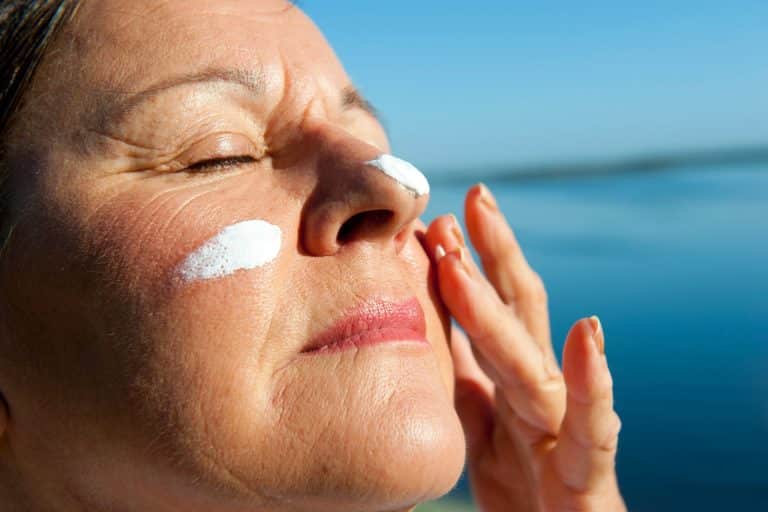
Protecting and restoring the acid mantle is practical and mostly straightforward. Begin with sun protection: when the UV Index is 3 or above use combined sun protection — protective clothing, a broad-brimmed or legionnaire-style hat, Australian-standard sunglasses, seeking shade and applying a broad-spectrum, water-resistant SPF50+ sunscreen. Apply sunscreen generously about 20 minutes before going outdoors and reapply every two hours, or sooner after swimming, sweating or towel-drying.
For daily cleansing, choose gentle, pH-balanced or syndet cleansers that do not strip natural oils. Avoid excessive hot water and limit abrasive scrubs or frequent strong chemical peels. After cleansing, moisturise to support the lipid barrier; ingredients that commonly help include ceramides (lipids that support barrier structure), hyaluronic acid (a humectant that draws and holds water) and niacinamide (a form of vitamin B3 that can support barrier repair). Nutrition, hydration and general health also matter. If you have questions about vitamin D and sun exposure, including when to consider supplements, see Vitamin D: Sunlight vs Supplements for balanced information rather than one-size-fits-all advice.
For people at particularly high risk of non-melanoma skin cancers who have recurrent lesions, oral nicotinamide (a form of vitamin B3) has been studied and may reduce new lesion rates while taken under medical supervision. This is not a general prevention for everyone, the benefit does not persist after stopping, and it should only be considered after a clinician assesses your individual risk and suitability.
Take Action for Your Skin Health
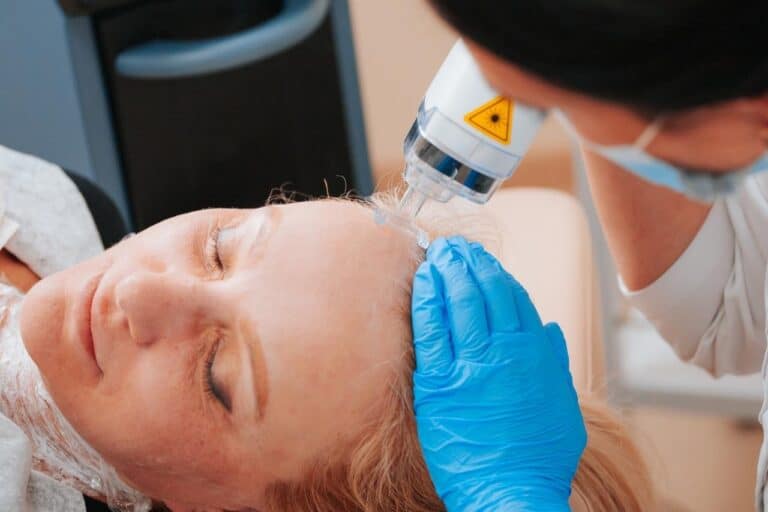
Protecting the acid mantle is part of sensible daily skin care for long-term skin resilience. If you notice persistent dryness, new or changing spots, or concerns about sun damage, seek professional assessment rather than guessing. Regular skin checks are recommended in Australia given our high UV environment; we offer thorough evaluations tailored to your history and risk profile — see our Skin Cancer Checks page for more information. For certain precancerous or difficult surface conditions, treatments such as Photodynamic Therapy can be discussed with a clinician who will explain benefits and limits. If you are concerned about a mole that bothers you or changes in appearance, a consult about options including Cosmetic Mole Removal may be appropriate, but any uncertain pigmented lesion should be examined and, if necessary, biopsied before a destructive treatment is pursued.
Good daily habits, combined with professional care when needed, help preserve the mantle and reduce long-term harm from sun exposure. To arrange a face-to-face assessment or discuss personalised prevention and treatment, please book an appointment online at https://bookings.isoclinic.com.au/.