Have you ever wondered how your skin quietly mends after a scrape or why a tan fades? The answer is a continuous renewal cycle happening just beneath the surface. In broad terms, it takes roughly one to two months for new skin cells to be made at the bottom of the outer skin and then shed from the top. Many people quote “about 40 days,” but the exact timing varies with age, genetics, body site, health and sun exposure. Understanding this rhythm helps you make practical choices to protect your skin’s barrier and reduce your risk from Australia’s intense ultraviolet (UV) environment, especially in your forties and beyond.
The Journey of a Skin Cell
Your outer skin, the epidermis, is a protective covering. Within it, a single layer at the base called the basal layer acts like a nursery. Here, the main skin cells, keratinocytes (cells that produce the strengthening protein keratin), divide and begin their life. As they move upward through the epidermis, they mature, flatten and eventually lose their nucleus. By the time they reach the surface layer, the stratum corneum (a thin layer of flat, dead, keratin-filled cells), they have formed a sturdy shield that limits water loss and blocks many microbes and irritants.
Those surface cells do not stay forever. They naturally shed in a finely tuned process known as desquamation, which means steady flaking that is usually too subtle to notice. This cycle is not only about appearance; it is core to your skin’s role as a barrier organ. To appreciate how this protective role came to be, you may enjoy our explainer on how skin evolved to be our first line of defence.
From a practical point of view, the cells you can see today reflect decisions you made weeks ago. Gentle care and sun-smart habits now can support healthier-looking skin in the next cycle, while cumulative UV exposure can disrupt the process for years to come.
What “Every 40 Days” Really Means
There is no single clock for all skin. Facial skin often renews a little faster than the arms or legs, while thicker skin such as the back may take longer. If you are curious about anatomical differences, our overview of skin thickness across the body explains why some areas feel coarser or more delicate and how that relates to turnover and barrier strength.
Ageing gently stretches the timeline. As we get older, basal cells divide more slowly and the enzymes that help the top layer to shed work less briskly. The result can be a build-up of older surface cells that makes skin look dull or feel rough. Hydration, consistent sun protection and avoiding unnecessary irritation can help the natural shedding enzymes function well, but there is no way to reset the clock to a teenager’s pace.
How Ageing, UV and Lifestyle Shape the Cycle
Intrinsic ageing (changes driven by time and genetics) and extrinsic ageing (changes driven mainly by UV) both influence renewal. In Australia, UV is a dominant factor. For more on the difference, see our guide to what really causes skin ageing. UV cannot be seen or felt and is not the same as heat. On cool or cloudy days it can still be high. In the Southern Hemisphere, the sun angle and thinner ozone over some regions mean UV intensity can be stronger; our primer on Southern Hemisphere UV intensity outlines why care is needed all year.
Melanocytes, the pigment-making cells, produce melanin to help shield the DNA in keratinocytes. That protection helps, but it is not a force field. People with fair skin living in Australia face particular challenges given our geography and outdoor lifestyle. If this is you or your family, our piece on Australia’s “sun trap” and fair skin provides helpful context for building safer habits.
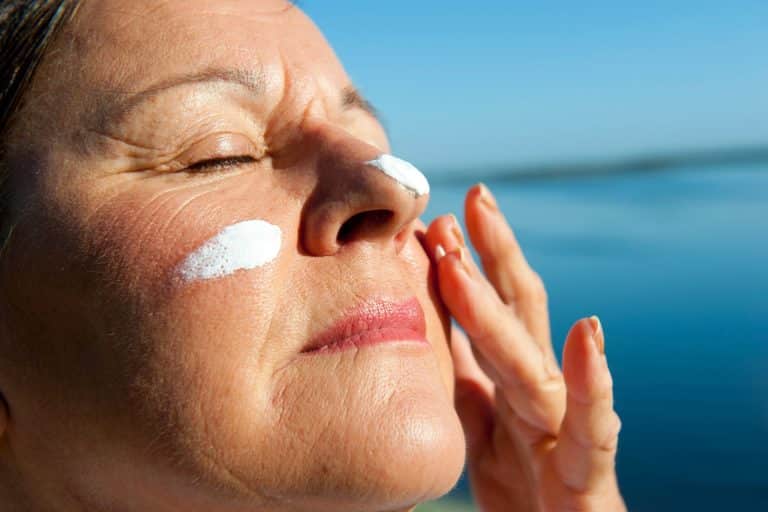
What can you do day to day? Follow combined sun protection whenever the UV Index is 3 or above: wear protective clothing, choose a broad-brimmed or legionnaire-style hat, seek shade, use Australian-standard sunglasses and apply a broad-spectrum, water-resistant SPF50+ sunscreen. Put sunscreen on generously about 20 minutes before going outdoors and reapply every two hours, or sooner after swimming, sweating or towel-drying. These measures lower cumulative UV damage, support more orderly renewal and help reduce the risk of skin cancers over time. Keeping skin comfortably moisturised also assists the enzymes that allow old cells to shed in a controlled way, which can improve texture without harsh scrubbing.
When the Renewal Process Goes Off Track
Sometimes the cycle is not just slower or faster—it becomes disorganised. Inflammatory conditions such as psoriasis, where the immune system signals skin to overproduce cells, can shorten the journey from basal layer to surface to only days. Because the cells arrive before they mature, they pile up into thick, scaly patches. Eczema, another inflammatory condition, doesn’t always speed turnover, but it weakens the barrier, allowing irritants in and moisture out, which can make shedding feel uneven and itchy.
Long-term UV damage can also trigger abnormal growth. When DNA changes accumulate, some cells may start dividing without the usual checks and balances. This can lead to non-melanoma skin cancers such as basal cell carcinoma (arising from basal cells) and squamous cell carcinoma (arising from more superficial keratinocytes). Warning signs include new or changing spots, scaly patches that persist, sores that bleed or do not heal, or lesions that look different from your other spots. Any suspicious, new, changing, bleeding or non-healing lesion should be professionally assessed. Importantly, a biopsy or careful clinical assessment should come before any destructive cosmetic treatment of an uncertain pigmented spot.
Take Action for Your Skin Health
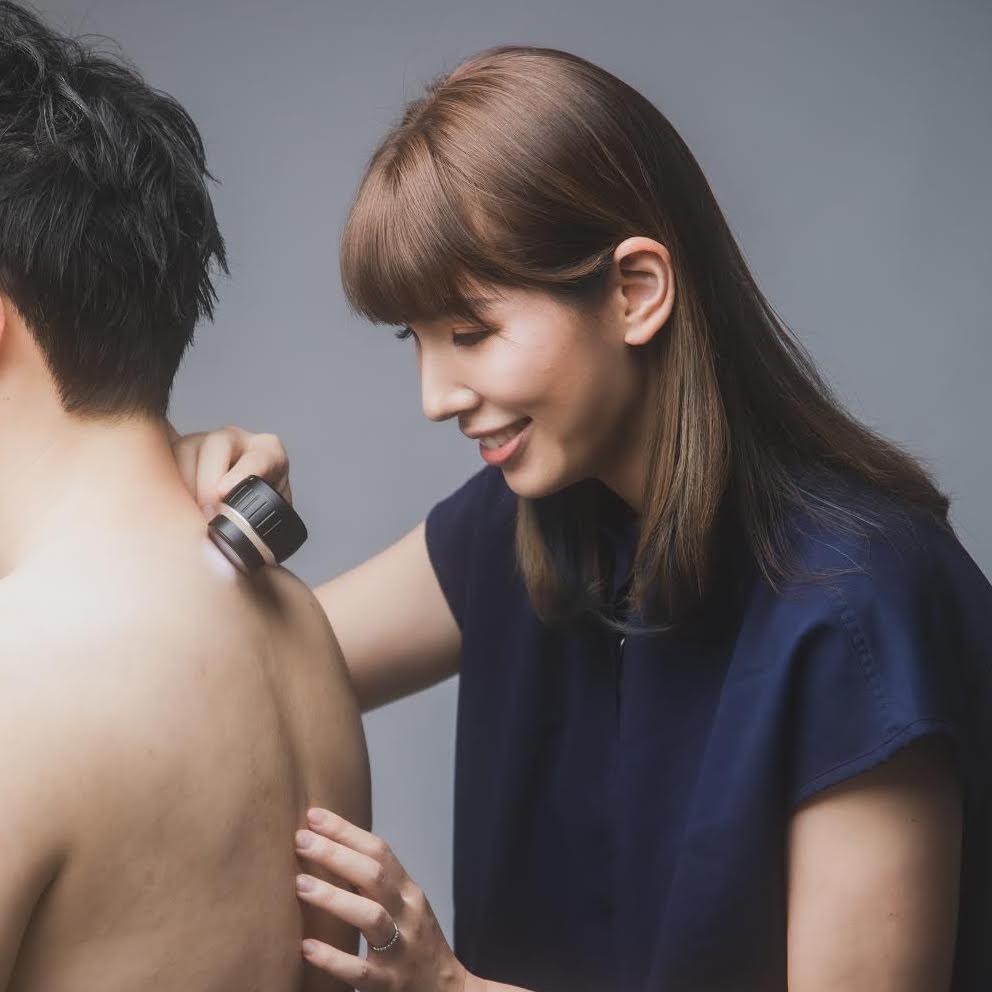
Your skin is renewing itself right now to protect you, but it needs your help. Consider a professional check if you have noticed rough, scaly patches, non-healing sores, or moles and spots that are new or changing. Regular, thorough skin cancer checks can detect problems early, when they are usually simpler to manage. For sun-damaged or precancerous areas identified by your clinician, treatments such as photodynamic therapy may selectively target abnormal cells while sparing surrounding tissue. If texture and fine lines are your focus, medically supervised non-ablative laser skin resurfacing can stimulate repair in the upper layers without promising results that cannot be guaranteed.
Day to day, keep using combined sun protection whenever the UV Index is 3 or above, apply SPF50+ sunscreen correctly, and moisturise to support the skin’s natural enzymes that shed old cells. If you are ready to talk with a clinician about your skin concerns or a suspicious spot, book a comprehensive appointment today at our bookings page.