Have you ever wondered what your skin is doing the moment you step into the Australian sun? For many people in their 40s and beyond, decades of sun exposure show up as freckles, uneven colour or patches that worry you. Those visible changes are the result of an elegant, cellular defence system working just beneath the surface. In simple terms, your skin cells build tiny protective “sun hats” to shield their genetic material from ultraviolet (UV) damage.
The Epidermal Melanin Unit: Your Cellular Factories
To picture this, imagine a small community in the outer layer of the skin called the epidermis. Two key players live there: melanocytes (cells that make pigment) and keratinocytes (the most common skin cell that forms the skin’s surface). Melanocytes produce melanin (the pigment that gives skin, hair and eyes colour). Keratinocytes are the structural cells that receive pigment and form the protective barrier you see.
When UV radiation reaches the skin it triggers signalling that tells melanocytes to make more melanin. Melanin is useful because it absorbs and scatters UV, lowering the amount that reaches DNA. The pigment is packed into tiny organelles called melanosomes (little pigment parcels) which are then handed across to keratinocytes. Inside each keratinocyte the melanosomes are moved above the nucleus (the cell’s DNA-containing control centre) to form a dense cluster called a supranuclear cap (a protective pigment umbrella over the nucleus).
The Delivery System: From Factory to Fortress
Melanocytes use long arm-like processes called dendrites (extensions that reach out to neighbouring cells) to transfer melanosomes to keratinocytes. The keratinocyte then positions those melanosomes like a miniature umbrella over its nucleus. This arrangement is a clever way for the skin to reduce the number of UV photons that hit DNA in each cell.
Different people have different versions of this system. Individuals with darker skin tend to produce larger, more heavily pigmented melanosomes that are spread more evenly through the epidermis, giving a higher baseline protection. Lighter-skinned people, especially those with red hair, often make more of the lighter-coloured phaeomelanin (a form of melanin) which is less effective at UV absorption and may generate more reactive molecules when exposed to sunlight. These are biological differences that evolved in different environments; for more on how pigmentation and evolution relate, see the discussion about folate and skin at The Folate Connection and about UV patterns in our hemisphere at Southern Hemisphere UV Intensity.
The Reality of a Tan
A tan is visible proof the system is active: melanocytes are producing and distributing more melanin. But it is important to understand what a tan represents. Any increase in skin colour after sun exposure means that cells have been injured enough to trigger a protective response. A tan is not a healthy sign in the absence of controlled, low-risk exposure; it is a marker that DNA has already been challenged.
Over time repeated activation contributes to changes such as uneven pigmentation, freckles and sun spots. These are part of the skin’s response but also signs that the cumulative burden of UV exposure is rising. If you want to understand how regular exposure affects skin structure and appearance, our primer on how skin ages explains these processes in accessible terms: What Causes Skin Ageing. The skin’s ability to renew itself also changes with age, and you can read about that cycle at Skin Cell Renewal Cycle.
The Limits of Natural Protection
As effective as the melanin system is, it has limits. UV cannot be seen or felt and is distinct from heat; a warm day is not a reliable cue for UV intensity. In Australia the UV Index often reaches levels where natural pigmentation alone is insufficient. National guidance recommends combined sun protection—protective clothing, a broad-brimmed or legionnaire-style hat, Australian-standard sunglasses, broad-spectrum water-resistant SPF50+ sunscreen, and shade—whenever the UV Index is 3 or above.
Sunscreen works alongside your skin’s microscopic caps. Apply a broad-spectrum SPF50+ sunscreen generously about 20 minutes before going outdoors and reapply every two hours, or sooner after swimming, sweating or towel-drying. Protective clothing and hats block radiation before it reaches the epidermis. Relying only on a tan or on your skin’s pigment is a risky strategy in our environment.
If you have a history of many sunburns, previous non-melanoma skin cancers or other risk factors, discuss additional measures with your clinician. Some treatments, such as nicotinamide (a form of vitamin B3), have been studied in selected high-risk groups and require medical advice; benefits do not persist after stopping and it is not a preventive panacea. Any suspicious, new, changing, bleeding or non-healing lesion should be assessed by a professional; remember that a biopsy or clinical assessment is needed before destructive treatment of an uncertain pigmented lesion.
Take Action for Your Skin Health
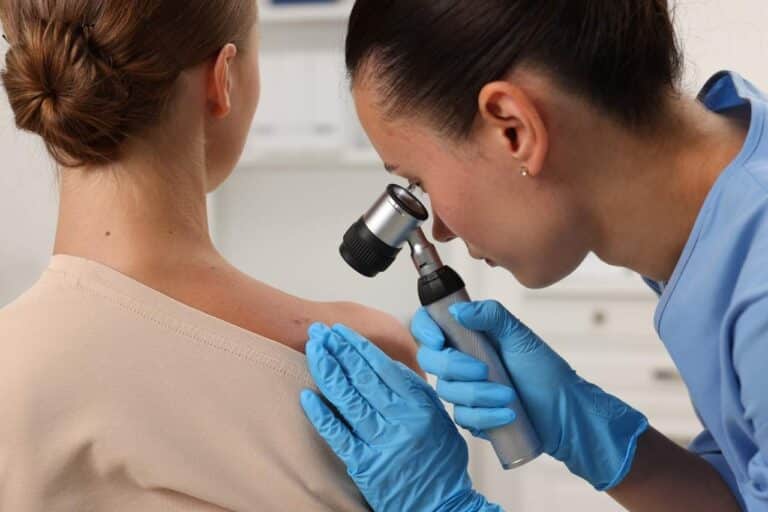
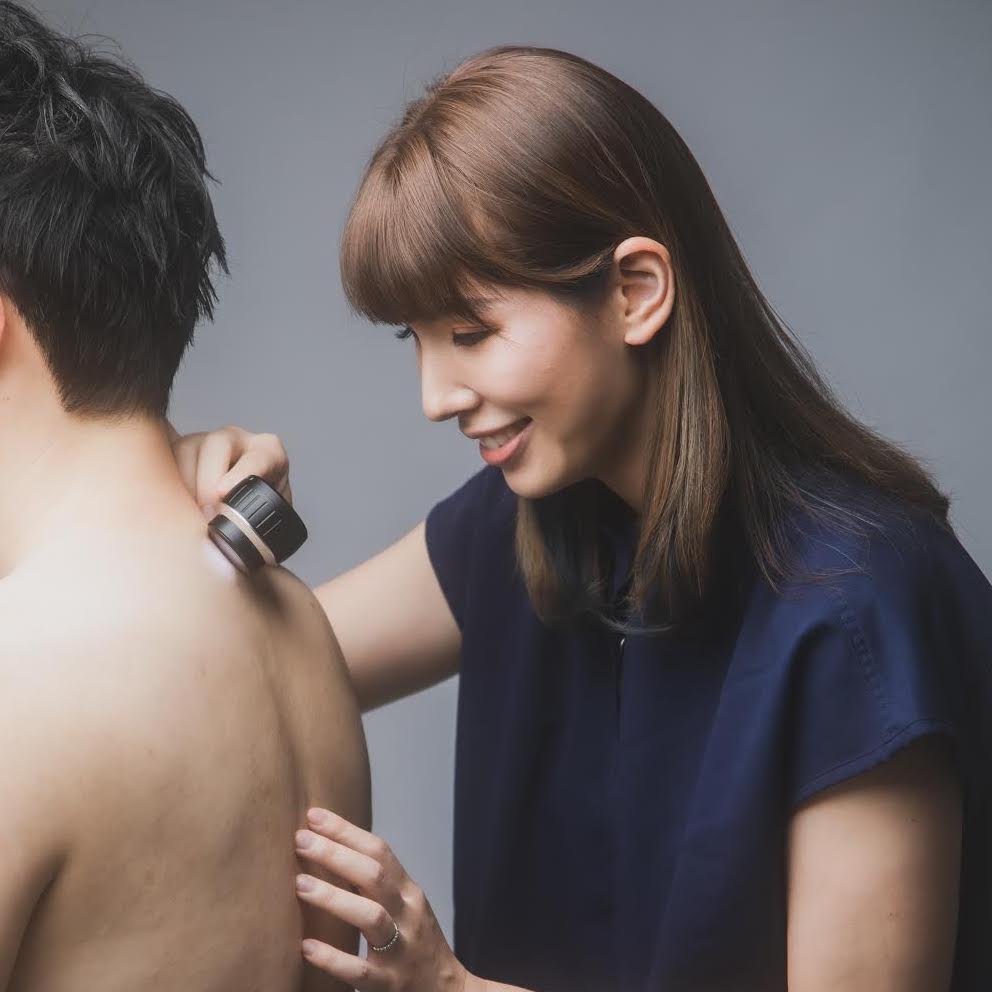
Knowing how your skin defends itself helps you choose sensible, practical steps. Regular professional checks are the best way to catch problems early. We recommend routine skin cancer checks for people with any new or changing spots or a history of sun damage. For accumulated sun damage and troublesome pigmentation there are treatments that can improve both appearance and cellular health; options may include photodynamic therapy to target damaged cells and pigmentation reduction approaches to help even skin tone. If you notice anything new or changing, or you simply want a professional skin health plan, book a consultation with our experienced clinicians to discuss sensible, evidence-informed options. You can book an appointment.