
When you look in the mirror, you are looking at a masterpiece of evolutionary engineering. Your skin is not just a covering. It is the largest organ in your body, accounting for approximately 16 percent of your total body weight, and it is the very first organ to ever exist in the history of life on Earth. Understanding how this remarkable barrier developed over hundreds of millions of years provides profound insights into why our skin behaves the way it does today, particularly under the intense Australian sun.
A Journey Back 635 Million Years
To trace the origins of skin, we must look back approximately 635 million years to the ancient oceans. Before hearts, lungs, or brains existed, early multicellular organisms needed a way to separate their internal environment from the chaotic world outside. The very first animals, similar to modern sea sponges, developed a primitive outer layer of cells. This simple boundary was the precursor to the complex organ we now call skin.
This early skin had a singular, critical purpose: protection. It kept essential fluids inside and harmful substances outside. As life became more complex, so did this outer layer. It evolved to sense the environment, detecting changes in temperature, pressure, and chemical composition. This sensory capability allowed early organisms to navigate their surroundings, find food, and avoid danger. The skin was our first connection to the world, acting as a sophisticated interface between the organism and its environment.
Over millions of years, this simple layer of cells differentiated into multiple distinct layers. The epidermis formed the tough outer shield, while the dermis below housed a complex network of blood vessels, nerves, and structural proteins. This layered architecture remains the fundamental blueprint for human skin today.
The Great Leap to Land
The most significant test for this evolving organ came when life transitioned from the protective depths of the ocean to the harsh reality of dry land. This transition, which occurred roughly 400 million years ago, required monumental adaptations. In the water, organisms were shielded from the full force of solar radiation and the constant threat of dehydration. On land, the rules changed entirely.
To survive, the skin had to become waterproof. It developed a tough outer layer composed of dead cells packed with keratin, a resilient protein that prevents water loss. This adaptation allowed early land dwellers to explore new habitats without drying out. However, the sun presented an even greater challenge. The intense ultraviolet radiation on land was capable of damaging cellular DNA, leading to mutations and disease.
In response, the skin developed sophisticated defence mechanisms. If you are curious about how our cells manage this daily assault, you can read more about How Your Skin Cells Build Their Own Sun Hats. This intricate process involves the production of melanin, a pigment that absorbs and scatters harmful rays, acting as a microscopic shield for our genetic material. The ability to produce melanin was a critical evolutionary breakthrough that allowed terrestrial life to flourish under the sun.

The Evolution of Human Skin
As our early human ancestors evolved in Africa around two million years ago, they underwent a dramatic physical transformation. They shed their thick body hair to regulate their temperature more effectively while hunting and foraging in the intense heat. This loss of hair exposed their bare skin directly to the equatorial sun. To protect themselves, early humans developed deeply pigmented skin, rich in melanin.
This dark pigmentation was not just about preventing sunburn. It played a crucial role in protecting vital nutrients circulating in the blood. For a deeper understanding of this vital evolutionary step, explore The Folate Connection: Why Dark Skin Evolved Near the Equator. Folate is essential for healthy cell division and reproduction, and ultraviolet light can rapidly destroy it as blood circulates near the surface of the skin. Dark skin acted as a natural safeguard, ensuring the survival of our species in a sun drenched environment.
As human populations migrated away from the equator towards regions with less intense sunlight, their skin gradually lightened. This adaptation was necessary to allow enough sunlight to penetrate the skin to produce vitamin D, a nutrient vital for bone health and immune function. In northern latitudes, where sunlight is scarce during winter months, dark skin would block too much of the weak ultraviolet light, leading to vitamin D deficiency. This delicate balance between protecting folate and producing vitamin D drove the incredible diversity of skin colours we see across the globe today.
Modern Challenges for Ancient Skin
Today, our ancient skin faces unprecedented challenges, particularly in Australia. Our evolutionary history did not prepare us for the rapid changes in our environment and lifestyle. Many Australians have genetic backgrounds suited to cloudy, low light environments, yet we live in a country with some of the highest levels of ultraviolet radiation on the planet.
This mismatch between our evolutionary heritage and our current environment has significant consequences. It is a primary reason why skin cancer rates are so high in this country. Two in three Australians will be diagnosed with some form of skin cancer by the time they reach the age of 70. To understand this unique vulnerability, consider reading about The Great Australian Sun Trap: Fair Skin in a Harsh Climate. Our skin is constantly working to repair the damage caused by daily sun exposure, a process that becomes less efficient as we age.
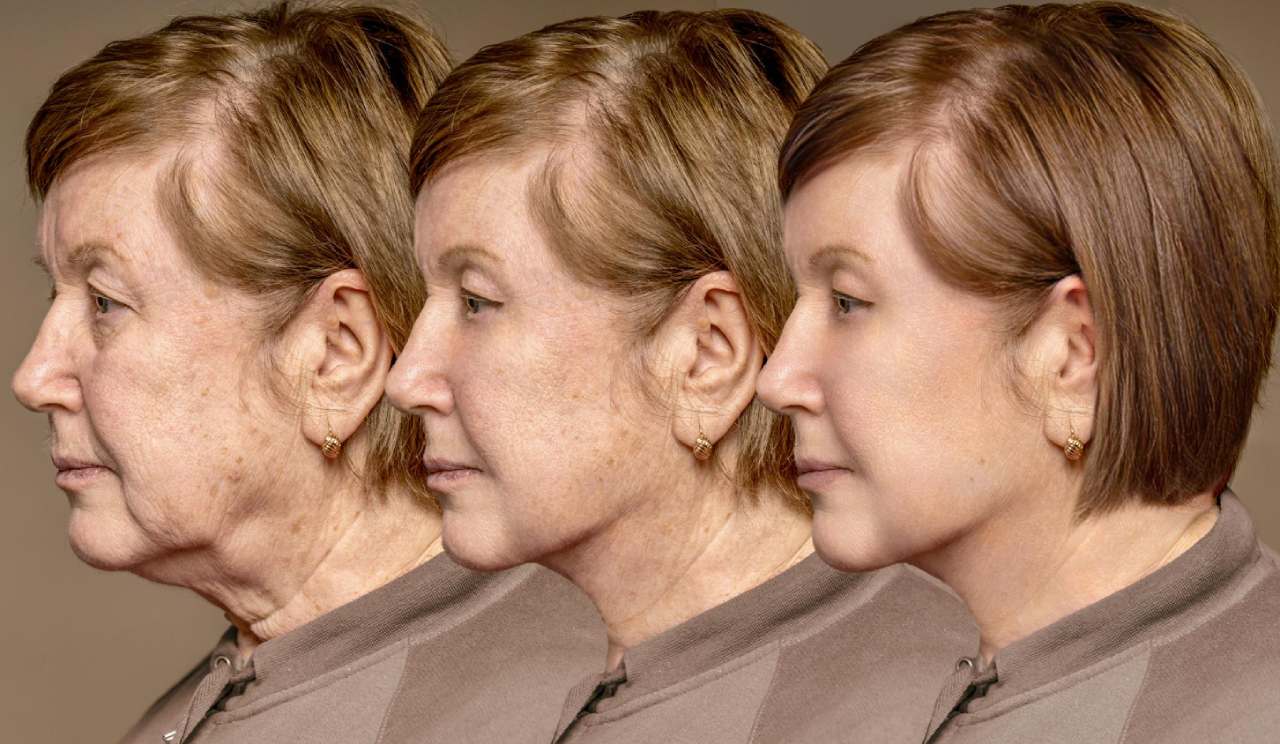
Furthermore, the visible signs of ageing we often attribute to the passing of time are largely the result of this environmental damage. The breakdown of collagen and elastin, the appearance of pigmentation, and the loss of skin elasticity are heavily influenced by our exposure to the sun. For a comprehensive look at this process, you can learn about The True Cause of Ageing Skin: Sun Damage vs Natural Ageing. Understanding this distinction is crucial for making informed decisions about how to care for your skin and mitigate the effects of our harsh climate.
Our skin is a living, breathing historical record of our evolutionary journey. It has adapted to survive in the oceans, conquer the land, and protect us from the sun. However, it cannot do it alone in the modern world. We must actively support this incredible organ by understanding its limitations and providing the care it needs.
Take Action for Your Skin Health
Your skin is a resilient, highly evolved organ, but it requires your active support to remain healthy in the Australian climate. Regular monitoring and professional care are essential components of a proactive health strategy.
We encourage you to prioritise your skin health by scheduling regular skin cancer checks. Early detection is the most effective tool we have in managing skin health and preventing serious complications. A thorough examination can identify subtle changes that may indicate early stage skin cancer, allowing for prompt and effective intervention.
If you have concerns about sun damage or require targeted treatments, therapies such as photodynamic therapy offer evidence based solutions for managing precancerous changes and improving overall skin health. This approach targets damaged cells while preserving healthy tissue, providing a highly effective way to address the cumulative effects of sun exposure.
Take the first step in protecting your evolutionary masterpiece. You can easily arrange your next appointment through our online booking system. Your skin has spent millions of years adapting to protect you. Now it is your turn to protect it.