When we talk about why people who lived near the equator evolved darker skin, the simple answer is not just about avoiding sunburn or skin cancer. It’s about protecting a vital nutrient called folate (also known as folic acid). Folate is a B vitamin that the body needs for DNA repair and cell division; during pregnancy it supports rapid foetal development and helps prevent neural tube defects, such as spina bifida. Understanding this evolutionary balance helps explain how our skin responds to sun exposure today and what that means for your health in Australia.
The folate explanation in simple terms
Folate circulates in the blood and is important for reproduction and early development. Sunlight contains ultraviolet (UV) radiation, which can break down some molecules in the skin and blood in a process called photolysis (photolysis simply means light-driven chemical breakdown). In environments with very high UV levels, such as the equatorial regions where our species evolved, there would have been selective pressure to reduce folate loss. Darker skin contains more melanin, the pigment that absorbs and scatters UV light, and that provided a protective effect.
That protection mattered because any reduction in reproductive success would reduce the chance of passing genes on to the next generation. Over many generations, natural selection favoured higher melanin production in populations living under intense year‑round UV. If you want a broader context about skin as an organ and how it evolved, see our piece on the evolution of skin as the body’s first organ.
Melanin: nature’s adaptive shield
Melanin is a complex pigment produced by skin cells. It’s not a single chemical but a class of pigments that differ in structure and behaviour. Melanin reduces the amount of UV that reaches deeper layers of the skin and the small blood vessels where nutrients circulate. That doesn’t mean it provides absolute protection — no amount of pigment makes a person immune to the harmful effects of high UV — but it does lower the risk of folate breakdown and other UV-related damage.
It’s also important to remember that skin pigmentation varies for many reasons, including genetic background and even local climate. Skin thickness and other structural features influence how skin responds to UV too; for a deeper look at regional variation you can read about skin thickness differences and why they matter.
Migration, vitamin D and changing selective pressures
When human groups moved away from the equator into higher latitudes, the evolutionary pressures shifted. The primary benefit from having darker skin — reducing folate photolysis — became less critical where UV was lower. At the same time, the body needs some ultraviolet B (UVB) to make vitamin D in the skin. Vitamin D is important for bone health and other functions; severe deficiency in childhood causes rickets (soft, weak bones) which can have long‑term consequences, and in women it can complicate childbirth by affecting pelvic development.
So, in regions with less UVB, lighter skin evolved in many populations to allow more UVB through and maintain adequate vitamin D production. That trade‑off between folate protection and vitamin D synthesis helps explain the broad geographical patterns of skin colour. If you’re interested in how the southern hemisphere’s UV patterns affect skin health today, our article on UV intensity in the southern hemisphere offers useful background.
What this evolutionary history means for Australians today
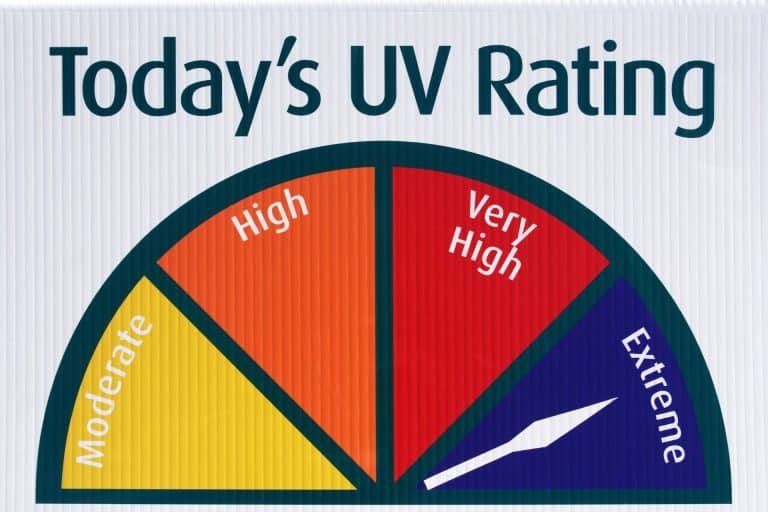
Australia has some of the highest ambient UV levels in the world. UV radiation is not the same as heat: you cannot see or feel UV, and a cool or cloudy day can still have high UV. That means the evolutionary story does not remove the need for modern, consistent sun protection. No matter your ancestry, cumulative UV exposure increases the risk of skin damage, premature ageing and skin cancers over time.
Practical, evidence‑based protection combines several measures. When the UV Index is 3 or above, use protective clothing made of tightly woven fabric, a broad‑brimmed or legionnaire‑style hat, Australian‑standard sunglasses, and seek shade. Apply a broad‑spectrum, water‑resistant sunscreen of at least SPF50+ about 20 minutes before going outdoors and reapply every two hours or sooner after swimming, sweating or towel‑drying. These are conservative, current Australian recommendations designed to reduce cumulative harm.
Vitamin D needs vary by age, skin type, season and location. It’s reasonable to discuss individual needs with your GP or a clinician rather than relying on general rules. Dietary sources and supplements may be appropriate for some people; avoid assuming sun exposure alone is a safe or sufficient strategy for everyone.
If you’re concerned about existing sun damage, unusual or changing spots, or lesions that hurt, bleed, itch or don’t heal, seek professional assessment. Early clinical examination and, where indicated, biopsy are essential before any destructive or cosmetic procedure is performed on a suspicious pigmented lesion. For information about the way fair skin interacts with our environment, read our article about Australia’s sun and fair skin.
Take Action for Your Skin Health
Knowing the evolutionary reasons for skin colour helps us appreciate why sun protection matters today, but it doesn’t replace modern care. Regular professional skin checks are a key part of prevention and early detection; our skin cancer checks are tailored for people concerned about cumulative sun exposure and changing lesions. If treatment is needed for precancerous or sun‑damaged skin, we offer evidence‑based options such as photodynamic therapy and cosmetic mole removal, performed after clinical assessment.
If you’d like to discuss your skin health, book a consultation with our team for a full skin check and personalised advice. To arrange an appointment, please visit our booking page: https://bookings.isoclinic.com.au/