You have probably noticed that the Australian sun seems to have more bite. A mild, breezy day can leave unprotected skin red even when the temperature feels comfortable. That is because ultraviolet radiation, or UV, cannot be seen or felt, and its strength is not measured by the temperature. Australia receives some of the highest UV levels in the world, but understanding why makes the risk easier to manage rather than something to fear.
Why Southern Hemisphere Summer UV Is Stronger
Earth does not travel around the sun in a perfect circle. Its orbit is slightly oval, and in early January the planet reaches its closest point to the sun, known as perihelion. Earth is about five million kilometres closer to the sun in January than it is in July. This means the Southern Hemisphere receives roughly seven per cent more solar energy at the closest part of the orbit than at the furthest part.
At the same time, Earth’s tilt points Australia more directly towards the sun. When the sun sits high in the sky, UV travels through less atmosphere before reaching the ground, so less is filtered out. These effects help explain why an Australian summer can produce more intense UV than summer at a similar latitude in the Northern Hemisphere. For people with fair skin, this adds to the mismatch between skin adapted to lower-light climates and the Australian environment.
Geography, Clear Skies and Ozone Also Matter
Location makes a major difference. Northern Australia is closer to the equator, where the sun is higher in the sky for more of the year. The Bureau of Meteorology’s long-term clear-sky maps show that average January UV Index values of 11 or higher cover virtually all of Australia. A UV Index of 11 is classed as extreme. Even during June and July, average clear-sky values can approach 8 or 9 in far northern Australia.
Australia also has relatively clear atmospheric conditions, so there may be fewer particles to scatter or absorb incoming UV than in some heavily polluted regions. Ozone high in the atmosphere provides important protection by absorbing much of the sun’s UV. Ozone levels vary with place and season, and past ozone depletion has influenced Southern Hemisphere UV, but the Antarctic ozone hole is not the sole explanation for Australia’s intense summer sun. Orbit, latitude, sun angle, cloud, altitude, ozone and reflection all work together.
Our skin evolved as a protective boundary, but it cannot completely prevent repeated UV injury. Understanding how skin became the body’s first protective organ helps explain why modern sun protection supports, rather than replaces, its natural defences.
UV Is Not the Same as Heat or Bright Sunshine
A common mistake is to use temperature as a warning system. Heat comes mainly from infrared radiation, while UV is a different form of radiation that your senses do not detect. UV can therefore be high on a cool spring day, during a windy afternoon or when thin cloud makes the sky look harmless. Thick cloud can reduce UV, but light or broken cloud may offer little protection.
The most useful guide is the daily UV Index. Australian health authorities recommend sun protection when the UV Index is 3 or above. Check the Bureau of Meteorology forecast, the SunSmart app or ARPANSA’s live UV measurements before gardening, walking, playing golf, watching sport or heading to the beach. The higher the number, the greater the potential for skin and eye damage and the less time it can take for harm to occur.
Reflection also matters. Water, white surf, sand and other bright surfaces can send UV towards you from different angles. Shade remains valuable, but near reflective surfaces it should be combined with clothing, sunscreen, a suitable hat and sunglasses.
Why Everyday Exposure Matters After 40
Most Australians know to prepare for a full day at the beach, yet smaller doses can be easy to overlook. Hanging out washing, driving with sunlight through a side window, mowing the lawn, having coffee outside or attending a weekend BBQ all add to your lifetime UV exposure. You do not need to burn every time for damage to accumulate.
UV can damage DNA, the instruction code inside skin cells. Your body repairs much of this damage, but repeated exposure can leave lasting changes. Over many years, this contributes to wrinkles, uneven pigmentation, rough sun-damaged areas and skin cancer. ARPANSA states that at least two in three Australians will be diagnosed with skin cancer by age 70, which is why prevention and early detection both matter.
Do not assume thicker or hard-to-see skin is safe. The back may receive intense exposure during swimming, gardening or outdoor work, and it is difficult to examine without help. Our explanation of how skin thickness varies across the body is a useful reminder to protect and check every exposed area, not only the face.
A Practical Australian UV Protection Plan
When the UV Index is 3 or above, use several protections together. Wear clothing that covers as much skin as practical, apply broad-spectrum water-resistant SPF50+ sunscreen to exposed skin, choose a broad-brimmed or legionnaire-style hat, seek shade and wear sunglasses that meet Australian standards. Sunscreen should support these measures rather than being your only defence.
Apply sunscreen generously about 20 minutes before going outdoors and reapply every two hours, or sooner after swimming, sweating or towel-drying. Include commonly missed areas such as the ears, neck, scalp part, backs of the hands and tops of the feet. Ask someone to help with your back when needed. Planning gardening, exercise and outdoor jobs outside peak UV periods can reduce exposure without keeping you indoors.
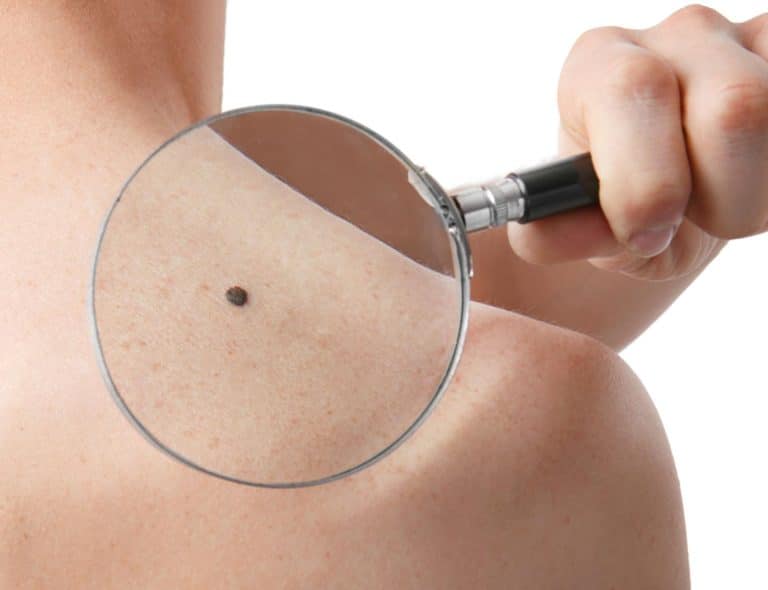
It is never too late to improve your routine. Better protection now reduces further UV injury, even if you had frequent sunburns or little sunscreen during childhood. Also become familiar with your skin. Seek medical advice for a new or changing spot, a sore that does not heal, unexplained bleeding or any mark that simply looks different from the rest.
Take Action for Your Skin Health
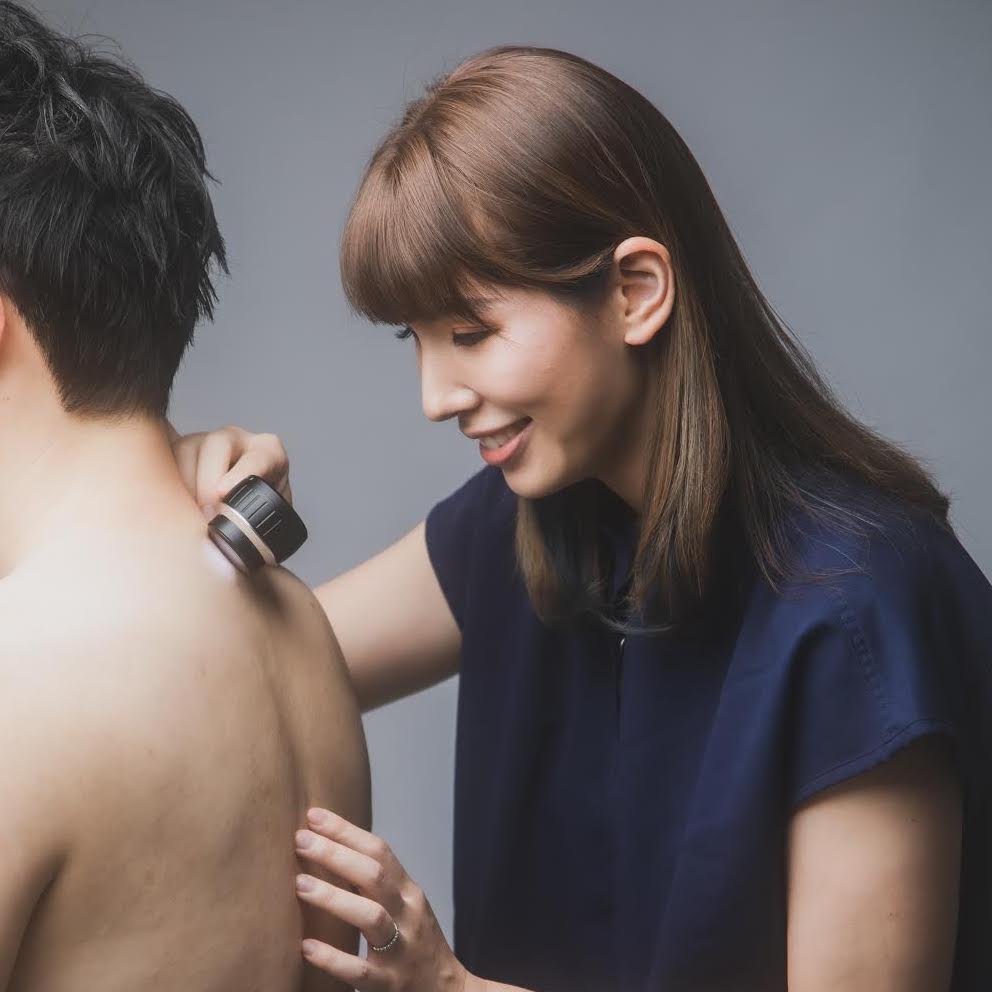
Australian UV is intense for understandable reasons, but your response can be simple: check the UV Index, protect exposed skin and act on suspicious changes. A professional examination can assess areas that are difficult to see and examine spots with specialised equipment. Learn more about ISO Clinic’s skin cancer checks if you are due for an assessment or have noticed a change.
People with rough, sun-damaged or precancerous areas may also wish to ask whether photodynamic therapy is appropriate after a clinical assessment. Treatment needs vary, so the first step is an individual review rather than self-diagnosis. To arrange professional advice, book an appointment with the ISO Clinic team.