Living in Australia means becoming familiar with two truths: the sun is a powerful source of ultraviolet radiation and our bodies use some of that sunlight to make an important nutrient called vitamin D. Ultraviolet B (UVB) rays are the band of invisible radiation that triggers a chemical change in skin which leads to vitamin D production; ultraviolet (UV) itself cannot be seen or felt and is not the same as heat. For many people during the warmer months a short walk outdoors can be enough to prompt this process — but how short depends on a number of personal and environmental factors.
The sun, vitamin D and safe exposure
When health information talks about a “six minute walk” it refers to a brief, incidental exposure that might be enough for some people in summer to begin producing vitamin D. This is not a universal prescription. Skin thickness, natural skin colour, age, where you live in Australia, cloud cover, the time of day and certain medicines all influence how much UVB reaches the skin and how much vitamin D you make. That variability is why public health guidance avoids one-size-fits-all messages and why checking your levels with a clinician can be sensible for many.
If you want to read more about target vitamin D ranges and why they vary, our overview explains optimal levels in plain terms and what clinicians consider when interpreting a blood test: Vitamin D: Optimal Levels. For a clear discussion about sunlight versus supplements, including when an oral supplement may be appropriate, see Sunlight vs Supplements.
How little is enough — and why it varies
In summer, when the UV Index is high, brief exposures of uncovered forearms and lower legs for a few minutes may trigger vitamin D production for many people. The UV Index is a simple measure of the sun’s potential to cause skin damage; when the Index is 3 or above, combined sun protection is recommended. That measure changes with latitude and season — the southern hemisphere’s seasonal pattern of UV intensity affects how much sun you need at different times of year, which is discussed in our piece on southern hemisphere UV: Southern Hemisphere UV Intensity.
Older skin tends to make vitamin D more slowly, and darker skin needs longer exposure than lighter skin to produce the same amount. That is why the idea of a fixed six minutes is a useful illustration for some summer conditions, not a guarantee for everyone. If you spend most of your day indoors or cover up fully when outside, you may need more intentional short exposures or clinical advice about testing and supplementation.
Sun protection that still lets your body make vitamin D
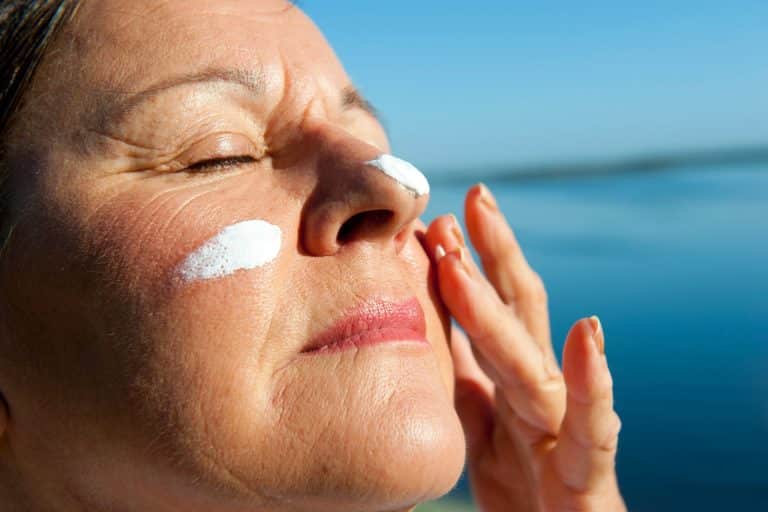
Current Australian advice is to use combined sun protection once the UV Index reaches 3. Combined protection means protective clothing, a broad-brimmed or legionnaire-style hat, Australian-standard sunglasses, shade and a broad-spectrum, water-resistant sunscreen of at least SPF50+. Apply sunscreen generously about 20 minutes before you go outdoors and reapply every two hours or sooner after swimming, sweating or towel-drying. Sunscreen reduces UV reaching the skin but does not usually cause vitamin D deficiency when people use reasonable, incidental sun exposure as part of daily life.
More sun does not keep increasing vitamin D indefinitely. The skin self-regulates: after a threshold of production is reached, further UV exposure adds risk — sunburn, cumulative DNA damage and higher skin cancer risk — without substantial extra benefit. It is also important to guard against myths that a tan is healthy; tanning is a sign of skin damage rather than protection. For background on the idea of a ‘‘healthy tan’’ and why it is misleading, see The Myth of a Healthy Tan.
Other ways to support vitamin D and skin health
Sunlight is the most efficient source for many people, but diet and supplements have roles too. Foods such as fatty fish and fortified dairy or plant milks add to intake and are practical options in winter or for those who must minimise sun exposure. Oral vitamin D supplements are sometimes recommended by clinicians for people with low blood levels, limited sun exposure, certain medical conditions or as indicated after testing. Supplements should be guided by a clinician because very high doses can cause problems such as raised blood calcium and related symptoms.
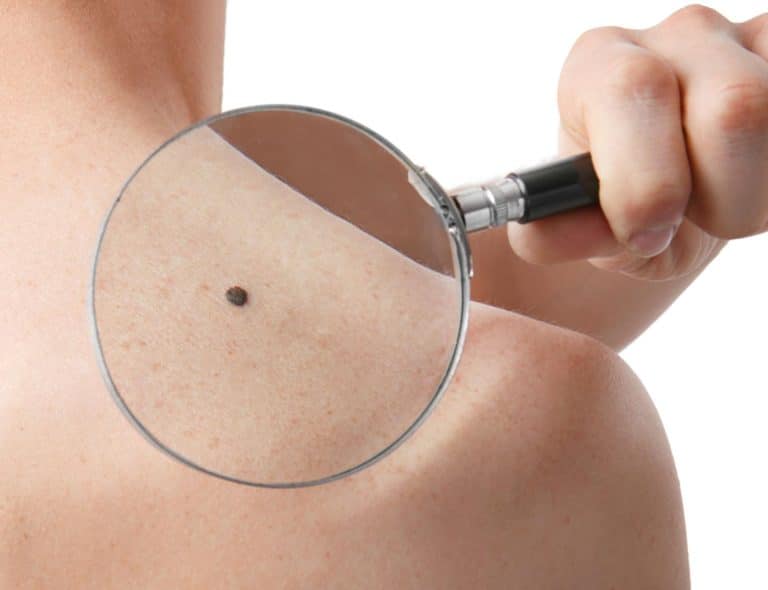
If you are concerned about sun damage that’s already visible — rough, scaly patches, persistent redness or spots that bleed, change or fail to heal — professional assessment is important. Suspicious, new or changing lesions should be examined by an experienced clinician; a biopsy or clinical assessment should come before any destructive cosmetic treatment of an uncertain pigmented lesion. For proactive management of sun-damaged skin and treatment options, ask about our clinical services including skin cancer checks and targeted therapies.
When medical treatments are appropriate, options range from careful monitoring to outpatient procedures. For general surveillance and early detection, our skin cancer check service provides a structured clinical review. For certain types of sun-damaged areas or precancerous changes, photodynamic therapy is an evidence-based option that treats abnormal skin cells while sparing surrounding tissue; discuss suitability with a clinician so you understand benefits and limitations.
Take Action for Your Skin Health
If you’re over 40 and concerned about balancing sun exposure, vitamin D and skin cancer risk, practical steps make a difference. Aim for short, regular incidental exposures in summer while using combined protection whenever the UV Index is 3 or above. Check your personal risk factors, consider a simple blood test if you have concerns about vitamin D, and talk to a clinician about supplements only when indicated. If you’ve noticed any new, changing, bleeding or non-healing spots, book a professional assessment without delay.
Learn more about our comprehensive Skin Cancer Checks and discuss treatment options such as Photodynamic Therapy with an experienced clinician.
To arrange a clinical review or a skin check, Book Your Appointment