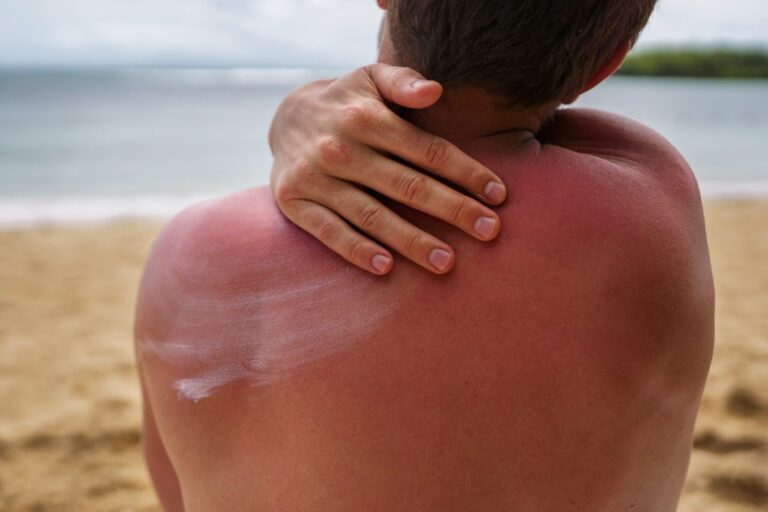
For decades in Australia a bronzed look has been prized as a sign of health and vitality. But the truth is less flattering: a tan is not a badge of wellness. It is your skin’s emergency response to ultraviolet (UV) injury. UV radiation damages the DNA — the genetic blueprint — inside skin cells, and tanning is the visible result of those cells trying to protect their nuclei (the part of the cell that contains the DNA).
The biology of a tan: a cellular distress signal
When I say “melanocytes” I mean the specialised skin cells that produce melanin, the brown pigment that gives skin its colour. When UV light reaches the skin it causes chemical changes in DNA and prompts melanocytes to make more melanin. That pigment is sent to neighbouring cells and forms a tiny umbrella over the nucleus to absorb some further UV. You can read more about how melanin shields skin in our explainer on how melanin protects against the sun.
The darkening you see — a tan — is therefore a warning light. It tells you your skin has already been hit by UV and made an adaptive, but imperfect, repair response. UV cannot be seen or felt and is not the same as heat, so a pleasant sunny day or warm skin does not mean your skin is safe.
Constitutive versus facultative pigmentation
It helps to distinguish two types of pigmentation. Constitutive pigmentation is your baseline skin tone determined by genetics — the colour on areas that rarely see sun. Facultative pigmentation is the extra pigment made in response to UV exposure; this is the tan. Facultative pigmentation only appears because skin cells suffered enough UV to trigger a defensive reaction. In other words, a tan is always reactive; it is not a protective state set intentionally by the body.
People who grew up in Australia often have decades of intermittent sun exposure that accumulates over time. Understanding how your skin renews and repairs itself can be useful; our piece on the skin cell renewal cycle explains how damage can persist across many years even as your outer layers shed.
Why a “base tan” doesn’t protect in the way people think
Some people still aim to build a base tan to avoid burns later in the season. Scientifically, a tan might provide a small measurable increase in sun protection compared with completely untanned skin, but it is very limited and requires DNA damage to occur first. In practical terms this tiny benefit is far outweighed by the harm done to your skin’s cells.
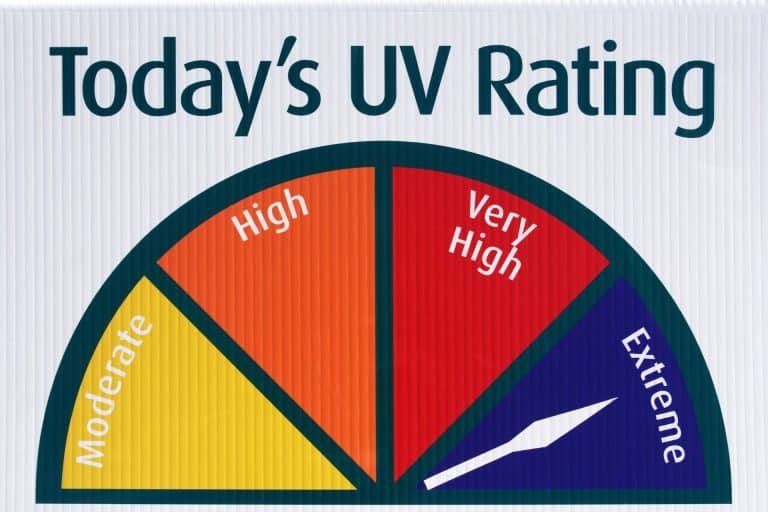
In Australia the UV Index can be high even when you don’t expect it. Read more about our particular UV patterns in the southern hemisphere in why southern hemisphere UV intensity matters. When the UV Index is 3 or above, current Australian advice is to use combined sun protection: protective clothing, a broad-brimmed or legionnaire-style hat, Australian‑standard sunglasses, and broad‑spectrum water‑resistant SPF50+ sunscreen applied generously about 20 minutes before going outdoors and reapplied every two hours or sooner after swimming, sweating or towel‑drying.
Relying on repeated intentional sun exposure to get a tan is not a safe sun habit. If you are thinking about cosmetic options to reduce the appearance of sun damage, there are medical treatments that can help with sun‑related pigmentation and skin texture, such as pigmentation reduction services and photodynamic therapy, but these are clinical procedures best discussed with a clinician.
Long-term consequences: cancer risk and premature ageing
Repeated UV exposure causes cumulative DNA mutations — changes in the genetic code that the cell’s repair systems cannot always correct. Over many years those mutations increase the risk that a cell grows out of control and becomes cancerous. Melanoma is one type of skin cancer that arises from pigment-producing cells; squamous cell carcinoma and basal cell carcinoma are other common types that start in different skin cells. Any new, changing, bleeding or non‑healing spot should be assessed by a professional, because early detection improves outcomes.
Beyond cancer risk, UV accelerates visible skin ageing. It breaks down collagen and elastin, the structural proteins that keep skin firm and elastic, leading to sagging, fine lines, leathery texture and sunspots. If you want to slow these changes, strict sun protection is the single most effective day‑to‑day measure you can take; for more on how sun speeds ageing see our article about what causes skin ageing.
There are other preventive strategies sometimes discussed, such as the use of nicotinamide (a vitamin B3 form) for selected high‑risk patients. Evidence supports its use mainly in people with a history of certain non‑melanoma skin cancers and it should only be considered under medical advice; benefits do not persist after stopping the tablet.
Take Action for Your Skin Health
Shifting how we think about a tan is the first step: treat tanning as a distress signal, not a style goal. If you’ve had years of unprotected sun exposure or notice spots or changes in your skin, arrange professional assessment. Regular skin checks are important for people over 40 and for anyone with a history of sunburns, unusual moles, or extensive sun exposure; you can book a clinical review and ongoing monitoring through our skin cancer checks service.
If precancerous or heavily sun‑damaged areas are identified there are options to manage them medically and to improve appearance and skin health. Clinical procedures such as photodynamic therapy can target damaged cells, and targeted pigmentation treatments can reduce blotchiness; discuss what suits your skin with a clinician before proceeding. Remember that biopsy or clinical assessment should precede any destructive cosmetic treatment of an uncertain pigmented lesion.
Protecting your skin is a practical, daily habit: clothing, shade, a broad‑brimmed hat, sunglasses and SPF50+ sunscreen applied and reapplied as recommended. If you’re ready to arrange an assessment or discuss treatment options, start by booking a consultation with our team. You can make an appointment online at https://bookings.isoclinic.com.au/