When you step into the Australian sun you probably reach for sunscreen out of habit. That’s good — but how much you put on matters as much as whether you remember it. Most people apply far less than the amount used to test a product’s labelled protection. The common shortfall leaves skin more exposed to invisible ultraviolet radiation, known as UV, which can cause sunburn, premature ageing and increase cancer risk. A simple visual guide called the shot glass rule can help you apply sunscreen more effectively.
Why under-application matters
The Sun Protection Factor (SPF) on a bottle is measured in the lab using a specific quantity of sunscreen. SPF (sun protection factor) tells you how much longer it should take for protected skin to redden compared with unprotected skin under controlled conditions. If you use less than the tested amount, protection falls steeply; halving the applied amount does not give you half the protection. In practical terms, a thinly spread SPF 30 product can provide far less protection than you expect. This is why relying on a high SPF number while skimping on volume creates a false sense of security.
UV is different from heat: you cannot see or feel it rising, and high temperatures do not mean low UV. In Australia the UV index can be 3 or above even on cool or cloudy days, so combine measures whenever the UV Index is 3 or higher: sun-protective clothing, a broad-brimmed or legionnaire-style hat, shade, Australian-standard sunglasses and a broad-spectrum, water-resistant sunscreen at SPF50+ (broad-spectrum means it protects against both UVA and UVB rays).
What the shot glass rule really means
The shot glass rule recommends roughly 30 millilitres of sunscreen for a full adult body application — about the volume of a standard shot glass. That quantity is what labs use to determine the labelled SPF. If you want a practical breakdown, think in teaspoons: the total 30 millilitres equals approximately seven teaspoons. Use one teaspoon for your face, neck and ears; one teaspoon for each arm; one for the front of your torso and one for the back; and one teaspoon for each leg down to the tops of the feet. Applying these amounts helps you get closer to the protection listed on the bottle.
Different formulations feel and behave differently on skin. If you’re unsure whether you prefer a mineral (physical) sunscreen that sits on top of the skin or a chemical sunscreen that absorbs UV, our guide can help you compare options and choose one you will use generously and often: Chemical vs Physical Sunscreens. Also remember that SPF ratings are not linear — for more detail about marketing and what the numbers really mean see Why SPF 50 Is Not Twice as Good as SPF 25.
Timing and reapplication: when to put it on and when to top up
Sunscreen needs time to form an even film on skin. Apply it about 20 minutes before going outdoors so ingredients can bind to the skin properly. If you apply immediately before sun exposure, or dive straight into the water, the product may not perform as intended. Sunscreen also wears off: it degrades in sunlight and is physically removed by sweating, swimming or towel-drying. Reapply at least every two hours, and sooner after swimming, heavy sweating or towelling.
Avoid assuming you’ll get enough vitamin D by brief unprotected exposure. Vitamin D needs vary by season, skin type, location and individual health. If you have concerns about your vitamin D levels, speak with your clinician or read our guide to understand factors that influence optimal levels: Vitamin D: Optimal Levels. Do not rely on unprotected sun exposure or supplements to prevent skin cancer; prevention focuses on sun protection and regular checks.
The practical benefits of applying the right amount
Using the shot glass amount and combining other protective measures takes a small behavioural change that pays long-term dividends. Consistent, adequate sun protection reduces cumulative UV damage, which in turn reduces visible signs of ageing such as wrinkles and uneven pigmentation. It also lowers the long-term risk of non-melanoma skin cancers and helps with prevention strategies for people at higher risk. If you are considering medical prevention like nicotinamide (a form of vitamin B3), that treatment is recommended only for selected high-risk patients and should be discussed with a clinician; its benefit does not persist once the drug is stopped.
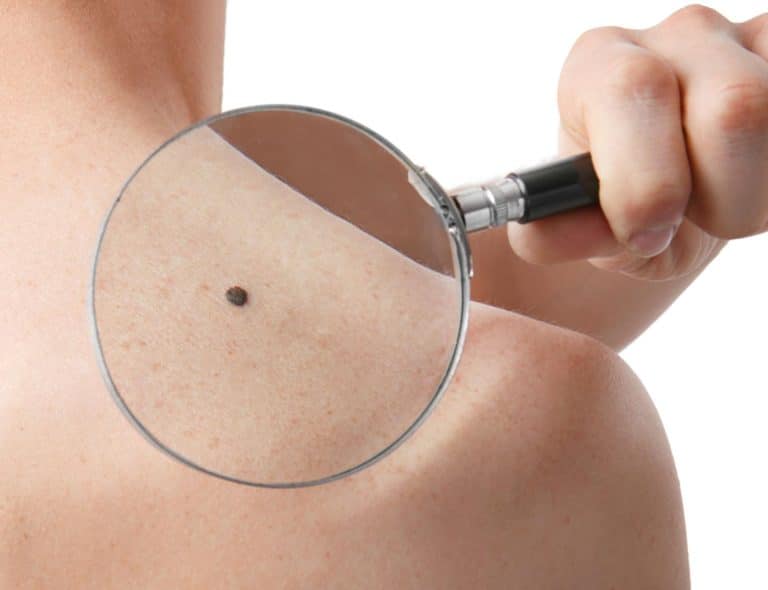
Be cautious about suspicious skin changes. Any new, changing, bleeding or non-healing spot needs professional assessment rather than self-treatment. Destructive cosmetic treatments should not be used on an uncertain pigmented lesion before clinical assessment and, if necessary, biopsy. For information on how UVA radiation contributes to ageing and damage that you can’t see, see UVA Rays: The Hidden Danger of Ageing.
Take Action for Your Skin Health
The practical steps are straightforward: apply a broad-spectrum, water-resistant SPF50+ sunscreen generously (about 30 millilitres for a full adult application) 20 minutes before going outdoors; reapply every two hours and after swimming, sweating or towelling; and combine sunscreen with clothing, hat, shade and sunglasses whenever the UV Index is 3 or higher. Pair these habits with regular professional review. Schedule a comprehensive Skin Cancer Check if you notice any new or changing spots, or if you are concerned about cumulative sun damage. We offer services to treat significant sun damage safely, including Photodynamic Therapy and Cosmetic Mole Removal when clinically appropriate. To make an appointment with our experienced team, https://bookings.isoclinic.com.au/