When most people think about sun protection they picture sunburn: the red, hot, uncomfortable skin that tells you you’ve had too much sun. But sunburn is only the obvious tip of a much larger problem. Ultraviolet A (UVA) rays are a quieter, more persistent form of ultraviolet radiation. You can’t see or feel UVA, and it is not the same as heat, yet it penetrates more deeply into skin and accumulates damage over many years.
UVA makes up the majority of ultraviolet radiation that reaches the ground and travels through clouds and window glass. That means time spent in a sunlit room, driving or outdoors on an overcast day can still add up to meaningful exposure. For Australians over 40, who may already carry decades of sun history, understanding UVA is important for both appearance and long‑term health.
The Silent Penetration of UVA Radiation
Unlike UVB, which causes sunburn in the upper layers of the skin, UVA reaches the dermis. The dermis is the deeper skin layer that holds collagen and elastin, the fibres that give skin structure and bounce. Because UVA does not usually cause immediate reddening, it is easy to underestimate how much it contributes to cumulative harm.
UVA’s ability to pass through glass and haze means it is present during driving, office work and indoor activities near windows. The rule used by Australian health authorities is practical: when the UV Index is 3 or above, use combined sun protection. That means protective clothing, a broad‑brimmed or legionnaire‑style hat, shade, Australian‑standard sunglasses and a broad‑spectrum, water‑resistant SPF50+ sunscreen applied generously about 20 minutes before going outdoors and reapplied every two hours or sooner after swimming, sweating or towel‑drying.
How UVA Causes Photoageing
Photoageing is the term for skin ageing caused by ultraviolet radiation. Natural ageing still happens, but repeated UVA exposure accelerates the loss of skin quality many people notice in their forties: fine lines, deeper wrinkles, uneven tone and leathery texture. Collagen is the structural protein that keeps skin firm; elastin allows it to stretch and spring back. UVA damages those fibres directly and indirectly.
One consequence of UVA exposure is the production of abnormal elastin and enzymes called matrix metalloproteinases (MMPs). Matrix metalloproteinases are enzymes that normally remodel and repair tissue; when they are overproduced because of sun damage, they break down collagen faster than the body can replace it. If you want a broader look at causes of skin ageing beyond sun exposure, read more about what causes skin ageing here.
The Deeper Threat: DNA Damage and Skin Cancer
Beyond cosmetic changes, UVA contributes to DNA damage in skin cells. It does this mainly through indirect mechanisms: by generating reactive oxygen species, often called free radicals. Reactive oxygen species are unstable molecules that cause oxidative stress, a form of cellular damage that can affect proteins, cell membranes and DNA. Over time, accumulated DNA damage increases the chance of mutations that may contribute to skin cancers.
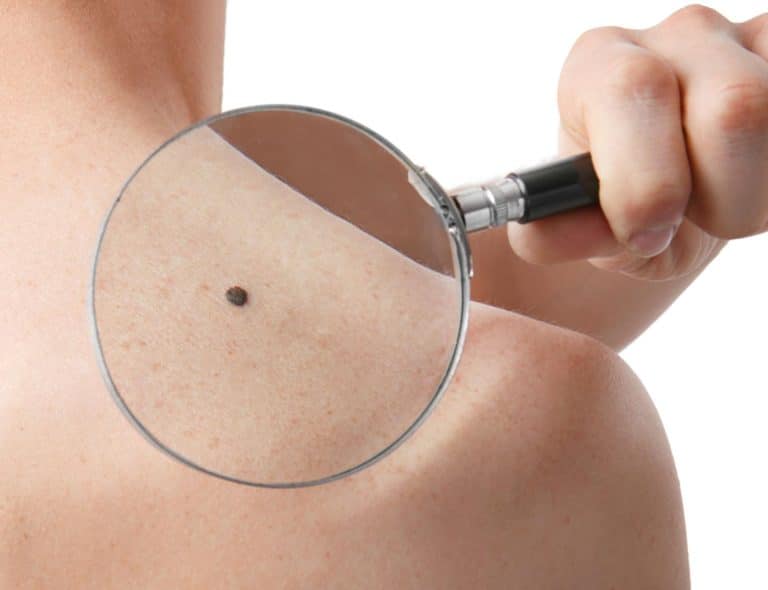
It is important not to oversimplify. UVB plays a clear role in sunburn and certain cancer pathways, while UVA contributes to deeper, cumulative harm. Both matter. For people worried about their sun history, regular professional checks are a sensible, evidence‑based action. If you have any new, changing, bleeding or non‑healing spots you should have them assessed promptly. Clinical assessment and, where appropriate, biopsy should come before destructive cosmetic treatments for any uncertain pigmented lesion.
For Australians, with our high ambient ultraviolet levels and outdoor lifestyle, prevention is the most practical strategy. Read about how our environment influences skin risk in this piece on Australia’s sun exposure patterns Australia’s sun trap and fair skin.
Choosing the Right Protection
Because UVA is so pervasive, a sunscreen that only prevents sunburn is not enough. Choose a broad‑spectrum sunscreen that protects against both UVA and UVB, and look for water resistance if you’ll be active outdoors. Remember that SPF primarily quantifies UVB protection (the rays that cause sunburn) so broad spectrum labelling and trusted brands matter. If you’re wondering whether a physical (mineral) or chemical sunscreen suits your skin and routine, our guide to chemical versus physical sunscreens can help you weigh the options here.
Sun protection is most effective when combined. Clothing with a high cloth density, long sleeves, wide brims, shade and sunglasses that meet Australian standards all reduce UVA exposure. Sunscreen should be applied generously about 20 minutes before going outdoors and reapplied every two hours or sooner after swimming, sweating or towel‑drying. Make protection a habit for daily activities, not just for holidays.
Some interventions, such as nicotinamide (a form of vitamin B3), have evidence of benefit in specific high‑risk groups—mainly people with a history of non‑melanoma skin cancers—and should only be considered with medical advice. Its benefit does not persist after stopping, and it is not a substitute for sun protection. For those with questions about vitamin D and sun exposure, individual needs vary by skin type, location and season; see our guidance on vitamin D levels here.
Take Action for Your Skin Health
Knowing how UVA works gives you practical steps to protect your skin and lower future risks. Start with combined sun protection whenever the UV Index is 3 or higher: clothing, hat, shade, Australian‑standard sunglasses and a broad‑spectrum SPF50+ sunscreen applied correctly and often. Be consistent—small daily choices accumulate into meaningful long‑term benefit.
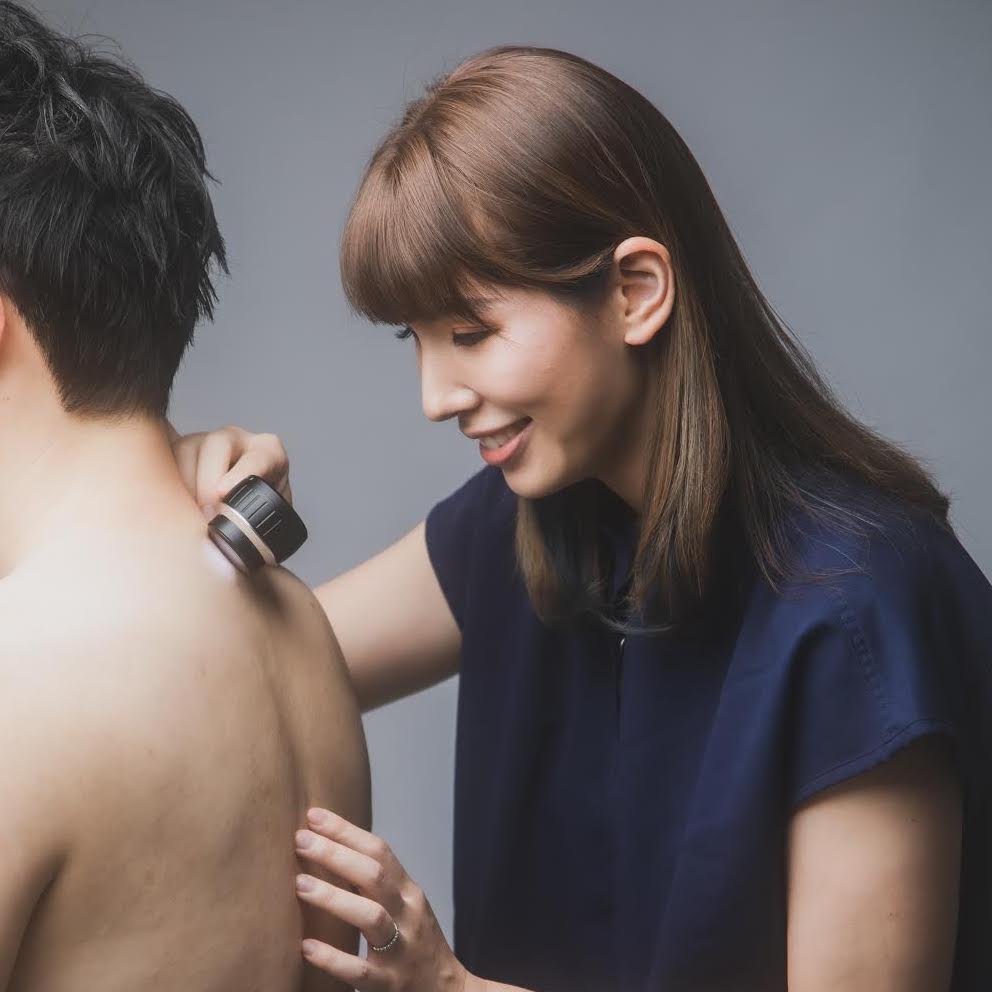
If you’re concerned about past sun exposure, suspicious spots, uneven pigmentation or visible sun damage, a professional skin assessment is the right next step. Our clinic offers comprehensive skin cancer checks to detect early change and guide follow up: Skin Cancer Checks
For visible sun damage or precancerous changes there are treatments designed to restore skin health and reduce risk under medical supervision; ask about photodynamic therapy and other options: Photodynamic Therapy and cosmetic approaches such as Cosmetic Mole Removal.
If you’d like to discuss your skin or book an appointment with our experienced medical team, please make a booking online: https://bookings.isoclinic.com.au/