You stand in the pharmacy aisle, looking at bottles that scream higher numbers. It’s natural to think SPF 50 must be nearly twice as good as SPF 25. But sun protection does not scale the way you might expect from other products. A clearer grasp of what SPF measures, how sunscreens are tested and how Australians should use them will help you make safer, more practical choices for everyday life.
The Mathematics of Sun Protection Factor
SPF stands for Sun Protection Factor. In plain terms it is a laboratory measure of how much longer it takes for protected skin to burn compared with unprotected skin. It mainly reflects protection against UVB rays, the shorter ultraviolet radiation that causes sunburn and contributes to some skin cancers. UVA rays are longer and penetrate more deeply; they drive ageing and also contribute to skin cancer risk.
The key point is that the SPF scale is not linear. Common, useful comparisons are that SPF 15 blocks roughly 94 percent of UVB, SPF 30 about 97 percent and SPF 50 about 98 percent. That means the jump from SPF 30 to SPF 50 is a small incremental gain — not a doubling of protection. No sunscreen blocks 100 percent of UV radiation, so layering other measures of protection remains essential.
Broad spectrum and why UVA matters
Because SPF focuses on UVB, the label alone doesn’t tell the whole story. UVA rays penetrate deeper into the skin and are largely responsible for visible ageing such as wrinkles and pigmentation. UVA is present year-round and can pass through clouds and glass, so a product that protects against both UVA and UVB is critical. This is what manufacturers mean by “broad spectrum”.
Choosing a product that specifies broad-spectrum protection matters more than chasing an ever-higher SPF number. If you want to read more about how UVA contributes to ageing and long-term harm, see our plain-language explanation on UVA Rays: The Hidden Danger of Ageing. And because Australia sits in a sun-intense part of the world, local patterns matter — learn more about how season and latitude affect UV exposure in the Southern Hemisphere UV Intensity article.
Application thickness and real-world protection
Sunscreen testing uses a specific amount: two milligrams of product per square centimetre of skin, applied in the lab so the stated SPF can be measured. In everyday life most people use far less than that. Apply a thin smear and an SPF 50 product may deliver protection closer to an SPF 15 in practice. That makes application technique and reapplication far more important than the marginal extra protection a higher SPF label may claim.
Practical rules: apply sunscreen generously about 20 minutes before going outdoors so it can bind to the skin; reapply every two hours or sooner if you have been swimming, sweating or towelling off; and use a broad-spectrum, water-resistant sunscreen of at least SPF50+ as part of a combined strategy when the UV Index is 3 or above. UV cannot be seen or felt and is not the same as heat, so don’t rely on how warm it feels to decide whether protection is needed.
Choosing the right sunscreen and daily habits
Rather than fixating on the number, find a broad-spectrum, water-resistant SPF50+ sunscreen you will actually use correctly and often. If a product is heavy, greasy or leaves a noticeable white cast, you’re less likely to apply it generously or to reapply. Texture, finish and how a sunscreen sits with your moisturiser or makeup matter — the best sunscreen is the one you will wear.
There are different active ingredients and formulations. If you’d like a simple comparison of physical (mineral) and chemical sunscreens, see our guide on Chemical vs Physical Sunscreens. That page explains common terms and helps you pick something that suits sensitive or pigmented skin. Also remember that sunscreen is only one pillar of sun safety: protective clothing, a broad-brimmed or legionnaire-style hat, shade and Australian-standard sunglasses complete the approach.
Be cautious about vitamin D: needs vary with skin type, season, location and individual health. For balanced information on sunlight and supplements, see Vitamin D: Sunlight vs Supplements. Don’t assume sunscreen use automatically means you need supplements — discuss individual needs with your GP or specialist if you’re concerned.
Finally, beware of a false sense of security. A higher SPF can encourage people to stay in the sun longer, skip reapplication or neglect hats and shade. That behaviour can undo the small additional benefit of a higher number. The best protection comes from combining measures and being consistent.
Take Action for Your Skin Health
Protecting your skin is a long-term, practical commitment. Use combined sun protection whenever the UV Index is 3 or above: covering clothing, a broad-brimmed or legionnaire hat, shade, Australian-standard sunglasses and a broad-spectrum, water-resistant SPF50+ sunscreen applied generously 20 minutes before going outdoors and reapplied every two hours or after water exposure.
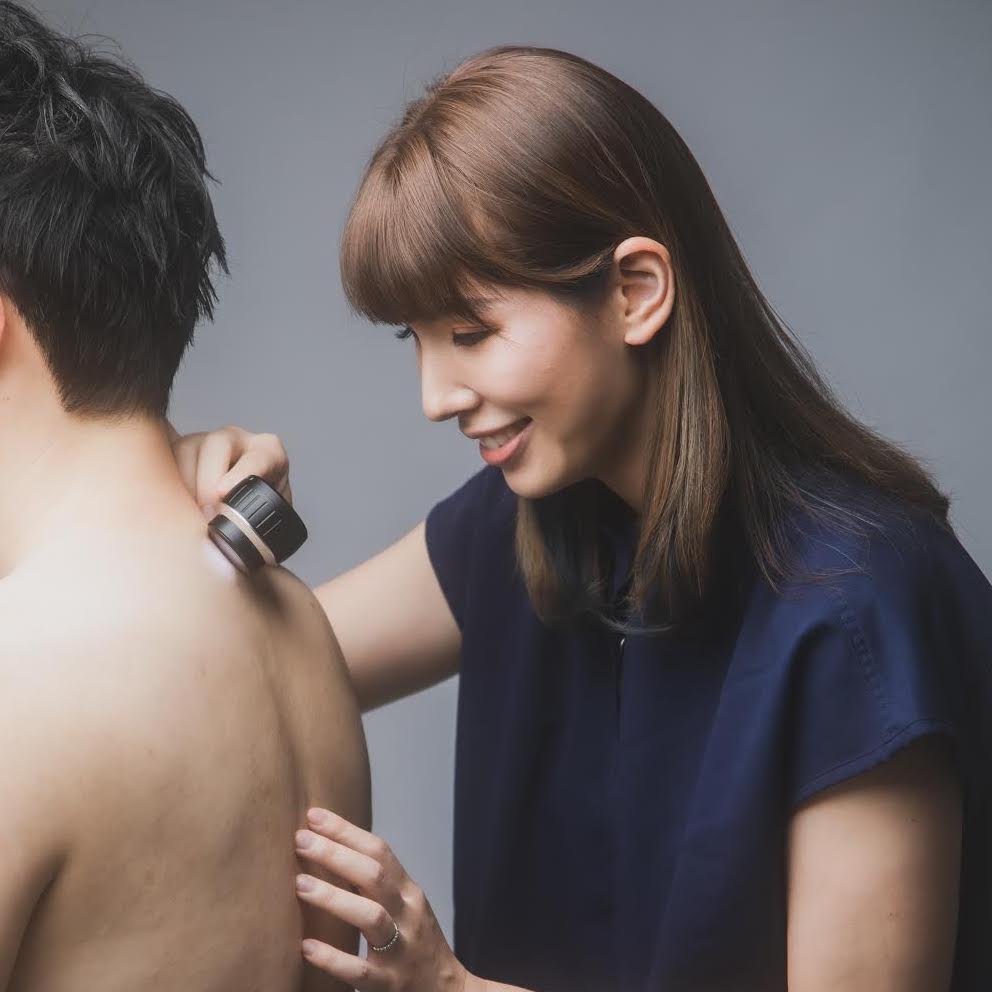
Regular professional skin checks are an important part of early detection. If you notice a new, changing, bleeding or non‑healing spot, seek assessment rather than trying to judge it at home. We offer thorough Skin Cancer Checks to assess and monitor suspicious lesions.
If you have accumulated sun damage or precancerous changes, targeted treatments can help reduce risk and improve appearance. Options we provide include Photodynamic Therapy and Pigmentation Reduction services tailored to your needs. Any suspicious pigmented lesion should have clinical assessment and, where appropriate, biopsy before destructive cosmetic treatments are used.
Take the next step in looking after your skin. Book an appointment with our experienced team and get personalised advice for prevention, checking and treatment: https://bookings.isoclinic.com.au/