Across human history there’s a clear pattern: populations living near the equator developed darker skin, in part because the pigment melanin (the brown pigment in skin) reduces the risk of UV-driven damage and helps protect folate, a vitamin important for cell division and pregnancy. As groups moved away from the equator into areas with lower ultraviolet (UV) light, lighter skin often evolved to allow more vitamin D production in the skin. Vitamin D is a hormone-like nutrient that helps build and maintain strong bones and supports immune function. Yet the Inuit people of the Arctic are a striking exception: they kept relatively dark skin despite prolonged low sunlight. Understanding why is useful for anyone thinking about sun exposure, diet and skin cancer risk today.
The evolutionary explanation in plain language
Melanin acts like a natural sunscreen: it absorbs and scatters UV rays. Ultraviolet B (UVB) is the portion of sunlight that converts a molecule in the skin into vitamin D; UVB is invisible (you cannot see or feel it) and is not the same as warmth or heat. In high-latitude places where UVB is weak for much of the year, lighter skin helps make the vitamin D you need from the limited sunlight available. Historically, inadequate vitamin D led to rickets (a bone-softening condition in children) and could complicate pregnancy and bone health in adults, so lighter skin was an advantage in many northern populations. For background on this broad pattern see our article on Rickets, Childbirth, and the Evolution of Light Skin and the evolutionary role of skin as our first organ at the interface with the environment in Evolution of the Skin: Your First Organ.
Why the Inuit are different
The Arctic exception is largely dietary. Traditional Inuit diets are rich in fatty fish, marine mammals and other seafoods that supply preformed vitamin D and related nutrients. When a population obtains adequate vitamin D from food, the evolutionary pressure favouring lighter skin for vitamin D synthesis is greatly reduced. Darker skin could therefore persist because there was no strong biological disadvantage from low UVB. The diet also offered protective nutrients such as omega-3 fats and other micronutrients that shaped health in ways not seen in populations dependent mostly on sunlight for vitamin D. For more on how dark skin evolved to preserve folate and protect against UV damage, see Folate Protection and Dark Skin Evolution.
What the Inuit story means for Australians today
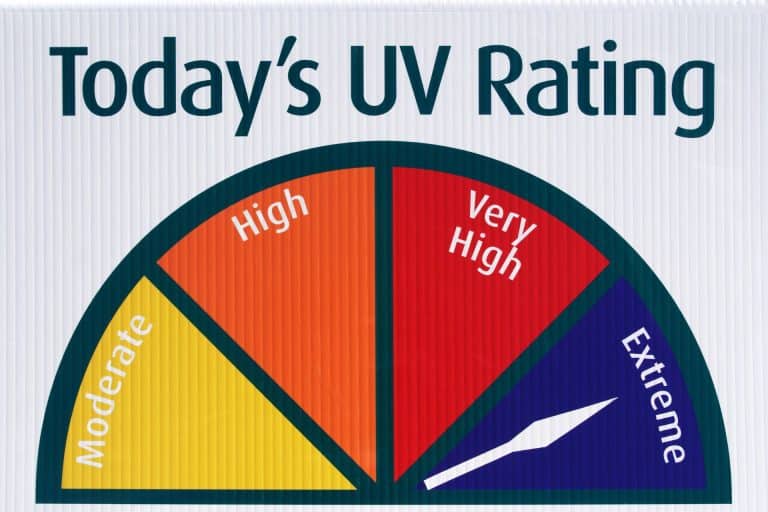
The take-home is not that diet alone replaces the need for sun-safe behaviour in Australia. Our country has some of the highest UV levels in the world, and UV cannot be judged by temperature or how sunny it looks. In the southern hemisphere, seasonal and latitudinal variations change UV intensity, so local guidance matters; read more about how UV behaves in our region in Southern Hemisphere UV Intensity. For most Australians the safest approach is combined sun protection whenever the UV Index is 3 or above. That means protective clothing, a broad-brimmed or legionnaire-style hat, Australian-standard sunglasses, seeking shade and using a broad-spectrum water-resistant SPF50+ sunscreen. Apply sunscreen generously about 20 minutes before going outdoors and reapply every two hours, or sooner after swimming, sweating or towel-drying.
Balancing vitamin D needs without increasing skin cancer risk
Vitamin D needs differ between people depending on age, skin type, where you live, the season and your diet. Avoid one-size-fits-all rules about how much sun you need. For some people, safe short periods of sun exposure will provide vitamin D; for others, dietary sources or supplements are appropriate. Do not assume supplements prevent skin cancer—they help correct deficiency but are not a substitute for sun protection or skin surveillance. If you’ve had previous non-melanoma skin cancers, a medicine called nicotinamide (a form of vitamin B3) has been shown in selected high-risk groups to modestly reduce the chance of new non-melanoma skin cancers while it is taken, but this requires individual medical advice and the benefit does not persist after stopping the pill. If you’re unsure about vitamin D levels or prevention strategies, discuss testing and personalised options with a clinician rather than relying on general advice.
Protecting your skin and knowing when to see a professional
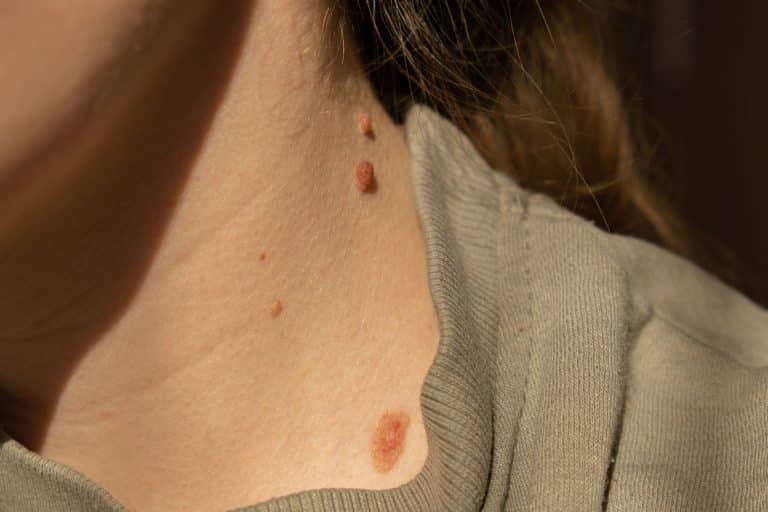
Regardless of diet or skin tone, vigilance matters. Check your skin regularly for any new, changing, bleeding or non-healing spots. ‘‘Suspicious lesion’’ means any growth or spot that changes shape, size or colour, or a sore that doesn’t heal. These signs warrant prompt professional assessment. A clinician will usually examine the lesion and may perform a biopsy (a small sample of tissue taken to determine the exact nature of the spot) before recommending any destructive or cosmetic treatment for a pigmented lesion. Early clinical assessment and, when needed, histology (microscopic examination of tissue) guide safe and effective care.
If you’re due for a check, ISO Clinic provides thorough skin cancer checks performed by trained clinicians; learn more about our approach and what to expect at our skin cancer checks page. For management of sun damage we offer targeted options such as photodynamic therapy, which uses a light-activated medication and light source to treat certain sun-damaged areas and early lesions, and for individual problematic spots we provide procedures including cosmetic mole removal performed with diagnostic care and appropriate follow-up.
Take Action for Your Skin Health
Your skin deserves practical, evidence-based care. Start by checking your skin regularly and noting any new or changing areas. Use combined sun protection when the UV index reaches 3 or above: clothing, shade, broad-brimmed or legionnaire-style hat, Australian-standard sunglasses and SPF50+ broad-spectrum, water-resistant sunscreen applied 20 minutes before exposure and reapplied every two hours or sooner with water or sweat.
If you notice anything suspicious, or if you’d like a routine assessment, book a clinical skin check rather than waiting. Our team can advise on vitamin D testing, safe sun strategies for your circumstances, and appropriate treatments where needed. For a straightforward, professional assessment and personalised plan, book your appointment.