When we look at the range of human skin tones across the globe we are seeing a long-running evolutionary response to competing needs: protection from ultraviolet (UV) radiation and the requirement to make vitamin D. Vitamin D is a hormone-like nutrient produced in the skin after exposure to ultraviolet B (UVB) light; it helps the body absorb calcium and phosphorus, which are essential for strong bones. Darker skin, rich in the pigment melanin, shields people from excess UV and helps preserve folate (a nutrient needed for healthy foetal development). You can read more about folate and skin colour in our article on The Folate Connection: Why Dark Skin Evolved Near the Equator. But when humans migrated away from equatorial regions they encountered much weaker sunlight and different challenges.
The Vitamin D Dilemma in Northern Latitudes
Vitamin D can be made in the skin when it receives enough UVB radiation. UVB varies with latitude, season and time of day; in northern latitudes the sun often sits at a low angle and winters have very short, low-UV days. High melanin levels that protected our ancestors in strong equatorial sun can reduce vitamin D production when sunlight is scarce. That mismatch increases the risk of serious deficiency in populations whose diet did not supply enough vitamin D.
It is important to remember that UV is invisible and not the same as heat. You may feel warm on a sunny winter day but still receive little UV. In Australia we use the UV Index to guide protection: when the UV Index is 3 or above, combined sun protection is recommended—protective clothing, a broad-brimmed or legionnaire-style hat, Australian-standard sunglasses, shade and a broad-spectrum water-resistant sunscreen of at least SPF50+, applied generously about 20 minutes before going outdoors and reapplied every two hours or sooner after swimming, sweating or towel‑drying. These measures reduce skin cancer risk while recognising that vitamin D needs vary with season, skin type, age and location.
Rickets and the Threat to Bone Development
Rickets is a childhood disorder of bone development caused by a severe lack of vitamin D, calcium or phosphate. Plainly, without enough vitamin D the gut cannot absorb calcium properly and growing bones become soft, weak and prone to deformity. Classic signs include bowed legs, thickened wrists and ankles, and chest bone changes. Rickets was common in historical northern populations with little sunlight and limited dietary vitamin D.
A critical but sometimes overlooked consequence is how early bone development influences the pelvis. If childhood vitamin D deficiency alters pelvic growth, the pelvic shape can become less able to allow an infant to pass through the birth canal safely. That is a major issue because childbirth has long been one of the most dangerous moments in the life course without modern obstetric care.
Childbirth, Pelvic Shape and Survival
Before reliable surgical interventions such as caesarean section, obstructed labour could be life‑threatening for both mother and baby. Cephalopelvic disproportion—when the babys head is too large to pass safely through the mothers pelvic opening—is an anatomical problem that may follow from pelvic deformity. In populations where vitamin D deficiency and rickets were common, women who experienced pelvic changes in childhood would have been at higher risk of difficult labour.
Natural selection works on differences in reproductive success. Over many generations, genetic variations that reduced melanin and allowed more UVB to trigger vitamin D production in low‑sun environments likely increased the chance of safe childbirth and survival. That selective pressure is one plausible explanation for why lighter skin became common in some northern populations. This is a nuanced evolutionary story rather than a single, simple cause; diet, behaviour and other genetic factors also shaped outcomes. For context on skin as our first organ and how it has evolved to meet many functions, see Skin: The First Organ.
Finding the Balance Today
Modern life has greatly changed the equation. Many people live far from ancestral environments, eat diets with different vitamin D content, and have access to medical care that reduces the mortality risk of childbirth. In Australia, UV levels are often high, so the priority for many is protecting skin from harmful UV to reduce premature ageing and skin cancer risk. Our article Australia: A Sun Trap for Fair Skin explains how our environment raises those risks. Conversely, southern hemisphere UV intensity can vary across seasons and latitudes; learn more in Southern Hemisphere UV Intensity.
Because vitamin D needs vary, avoid universal prescriptions about unprotected sun time. Short, occasional sun exposure can contribute to vitamin D production for some people, but the amount depends on skin type, season, latitude and age. Supplements are an option for many who cannot safely get enough sunlight; they should be taken under medical advice. Supplements do not prevent melanoma and should not replace sun protection where UV is high.
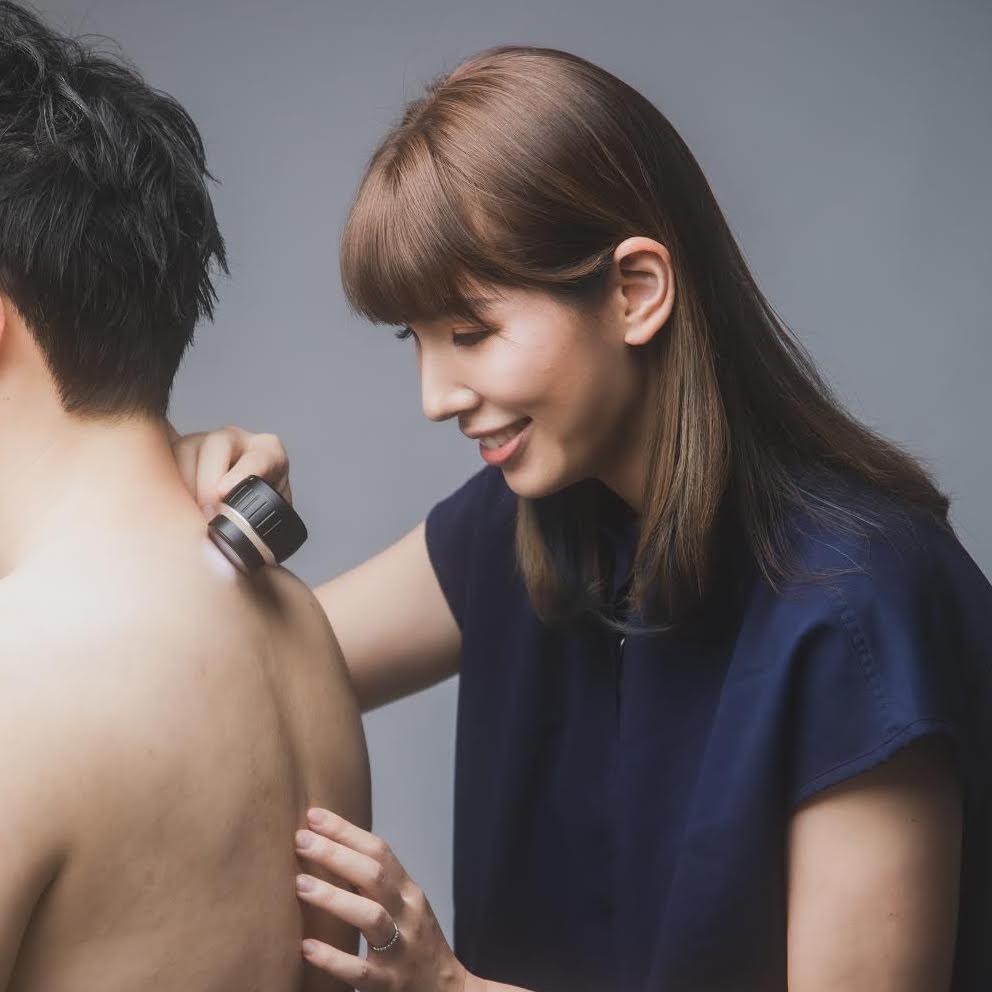
If you are concerned about sun damage, pigmentation or suspicious moles, professional assessment is important. Destructive cosmetic treatments should not be performed on an uncertain pigmented lesion without prior clinical assessment and, where indicated, biopsy. For information on services we offer, see our pages on Skin Cancer Checks, Photodynamic Therapy for sun‑damaged skin and some pre‑cancerous changes, and Cosmetic Mole Removal where a qualified clinician has first assessed the lesion.
Take Action for Your Skin Health
Understanding why skin colour varies helps us apply practical, contemporary advice. If you live in Australia, protect your skin when the UV Index is 3 or higher using clothing, a suitable hat, Australian‑standard sunglasses, shade and SPF50+ broad‑spectrum, water‑resistant sunscreen applied correctly and re‑applied as needed. Check your own skin regularly for any new, changing, bleeding or non‑healing lesions and arrange professional assessment for anything concerning—early detection is the best way to manage skin cancer risk.
We encourage a proactive, balanced approach: discuss vitamin D with your GP if you have concerns, maintain sun protection where UV is elevated, and establish a baseline skin check with a clinician if you are aged 40 or over or have a history of sun damage. To book a comprehensive assessment with our team, visit our booking page: https://bookings.isoclinic.com.au/.