As we move into our 40s and beyond, many of us notice the lasting effects of sun exposure: new rough patches, freckles that change, or a doctor pointing out areas of sun damage. Sun protection—clothing, hats, shade and sunscreen—remains the foundation of keeping skin healthy. Over the past decade a low-cost oral supplement, nicotinamide (a specific form of vitamin B3), has also emerged as a helpful tool for some people at higher risk of non-melanoma skin cancer. This article explains what nicotinamide does, who might benefit, and how it fits into sensible, evidence-based protection.
What is nicotinamide and how does it work?
Nicotinamide is one chemical form of vitamin B3. Unlike niacin (another B3 form that can cause uncomfortable skin flushing), nicotinamide is generally well tolerated and does not cause flushing. In plain terms, nicotinamide helps replenish molecules inside skin cells that are used for energy and for repairing DNA after ultraviolet (UV) damage. UV radiation is invisible and not the same as heat; it damages the DNA in skin cells and can leave those cells short of the energy needed to fix that damage. By supporting the cell’s repair machinery, nicotinamide can help reduce the chance that DNA damage progresses to the changes we call non-melanoma skin cancers.
Who is the evidence about and what did it show?
The strongest evidence comes from a large randomised clinical trial in people at increased risk of skin cancer because they had a history of previous non-melanoma skin cancers. In that study the dose used was 500 mg twice daily and, over the trial period, participants taking nicotinamide had fewer new non-melanoma skin cancers and fewer actinic keratoses. Actinic keratoses are rough, scaly patches caused by sun damage that are considered precancerous because some can progress to squamous cell carcinoma (a type of non-melanoma skin cancer that can be more aggressive). It is important to be clear: the benefit seen applies mainly to selected higher-risk patients, the effect may reduce during treatment and does not persist after stopping the supplement, and nicotinamide has not been shown to prevent melanoma (the more dangerous but less common skin cancer).
How to use nicotinamide safely, and why it does not replace sun protection
If you are considering nicotinamide, discuss it with your GP or skin specialist so they can advise about suitability for your health, other medicines and liver conditions. Nicotinamide is widely available over the counter in Australia, but medical advice helps ensure the dose and timing are appropriate for you. Also remember nicotinamide is an adjunct, not a substitute, for practical sun protection. When the UV Index is 3 or above you should use combined protection: protective clothing, a broad-brimmed or legionnaire-style hat, shade, Australian-standard sunglasses and a broad-spectrum, water-resistant SPF50+ sunscreen. Apply sunscreen generously about 20 minutes before going outdoors and reapply every two hours, or sooner after swimming, sweating or towel-drying; simple reminders about timing and amount can make a big difference in protection and are discussed in our guidance on the 20-minute sunscreen rule and how much sunscreen to use (20-minute rule, sunscreen amount).
You should also be aware that UV comes in different bands; UVA can penetrate more deeply and contributes to skin ageing and some skin cancers even when you do not feel hot. Effective protection against both UVA and UVB is important for long-term skin health (understanding UVA). Decisions about sun exposure for vitamin D are individual — factors such as where you live, season, skin type and medical history affect needs — so avoid universal promises about required sun time and discuss this with your doctor if you are concerned.
How nicotinamide might be used alongside clinic treatments
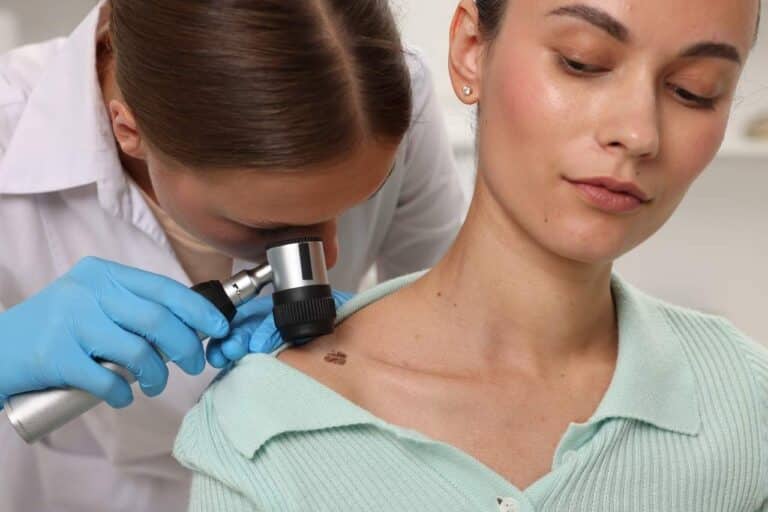
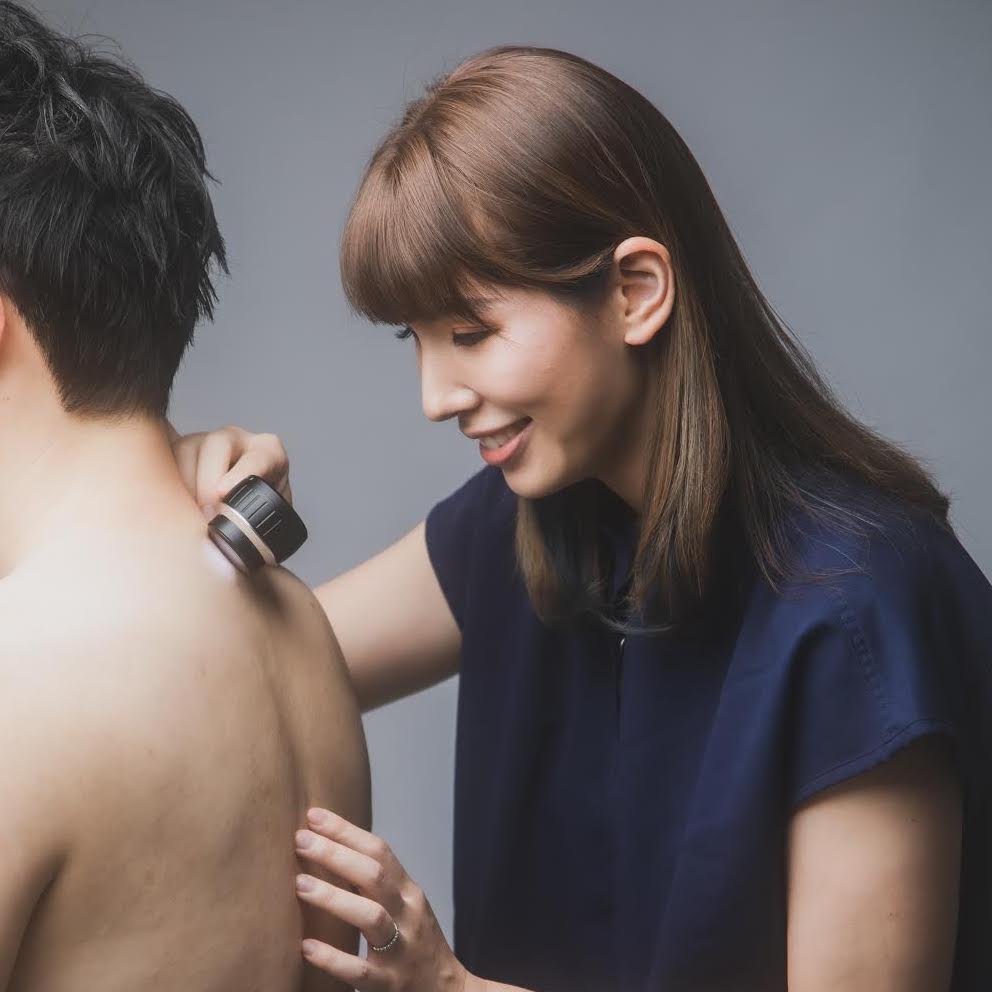
For people with extensive sun damage or numerous precancerous spots, nicotinamide can be one part of a broader plan. In some cases it has been used alongside treatments that remove or destroy damaged skin cells. For example, photodynamic therapy is a clinic treatment that targets widespread actinic damage; combining clinical treatments with preventive strategies can make follow-up simpler and reduce the formation of new lesions (Photodynamic Therapy). If you find changing or suspicious lesions, bleeding spots or wounds that do not heal, you should seek professional assessment promptly. Any pigmented lesion that is uncertain should be examined and, where indicated, biopsied before any destructive cosmetic removal to ensure safe diagnosis and treatment. For ongoing monitoring or if you have had previous skin cancer, regular professional skin checks are the best way to spot problems early (Skin Cancer Checks).
Side effects of nicotinamide are uncommon but can occur, and interactions with other medications are possible. That is why a brief check with your healthcare provider is important before starting, particularly if you have liver disease or take multiple prescribed medicines. If you begin nicotinamide, treat it as part of a plan that includes careful sun protection, regular skin inspections and timely clinical reviews rather than a stand-alone cure.
Take Action for Your Skin Health
If you have a history of non-melanoma skin cancer, extensive sun damage, or many actinic keratoses, talk with your GP or skin specialist about whether nicotinamide might be appropriate for you. Continue to use combined sun protection whenever the UV Index is 3 or above, apply sunscreen generously about 20 minutes before going out and reapply every two hours or after swimming, and have any new, changing, bleeding or non-healing spot assessed promptly. We offer thorough skin cancer checks and treatments for sun-damaged skin; consider arranging a clinical review or discussing options such as photodynamic therapy as part of your preventive plan. To make an appointment, book online: https://bookings.isoclinic.com.au/