Living in Australia means we enjoy a lot of sunshine, but it also means our skin faces strong ultraviolet (UV) radiation. UV is invisible and not the same as heat; you can get UV damage on a cool, cloudy day. For Australians aged 40 and over, small changes to routine can make a big difference. One simple habit that often gets overlooked is timing: applying sunscreen about 20 minutes before you go outdoors gives it time to form an even protective layer on the skin and helps it work as intended.
Why the 20 minute rule matters
Sunscreens work in two main ways depending on their ingredients. Mineral (physical) sunscreen sits on the skin and reflects UV, while chemical sunscreens absorb UV and convert it to heat. Either way, most products need time to settle into an even coating on the skin to provide the labelled level of protection. Applying sunscreen as you step outside can leave a few minutes of unnecessary exposure, because the layer may be thin or uneven at first. A 20 minute buffer lets the formulation bind to the skin for consistent coverage.
How to apply sunscreen correctly
Generous, even application is as important as timing. A light smear won’t deliver the SPF on the bottle. Many Australians find it helpful to follow measured amounts; if you want guidance on quantities, see The Shot Glass Rule: How Much Sunscreen You Actually Need. Use a broad‑spectrum, water‑resistant sunscreen of SPF50+ for extended outdoor time, and apply it about 20 minutes before going outside. Reapply every two hours, or sooner after swimming, sweating heavily or towel‑drying.
Combine sunscreen with other protections
Sunscreen is one part of a combined approach. When the UV Index is 3 or above, Australian guidance recommends protective clothing, a broad‑brimmed or legionnaire‑style hat, shade and Australian‑standard sunglasses plus a broad‑spectrum SPF50+ sunscreen. Clothing provides continuous protection for covered areas, and hats shield the face and neck where skin tends to be thinner. Shade reduces overall exposure, and sunglasses protect the eyes and the delicate skin around them. If you need a refresher on how different sunscreens work, read Chemical vs Physical Sunscreens: Which One Should You Use to help choose a product that suits your skin and routine.
Common myths and what the numbers mean
SPF numbers can be confusing. Higher SPF offers more protection, but not in a linear way — SPF50 does not block twice the UV of SPF25. For a clearer explanation of the practical differences, see Why SPF 50 Is Not Twice as Good as SPF 25. No sunscreen blocks 100% of UV, which is why timing, generous application and reapplication matter. Also remember UVA rays penetrate more deeply and contribute to ageing and some skin cancers; sunscreen that’s “broad‑spectrum” protects against both UVA and UVB. If you want to understand more about UVA and why it’s a hidden risk for skin ageing, see UVA Rays: The Hidden Danger in Skin Ageing.
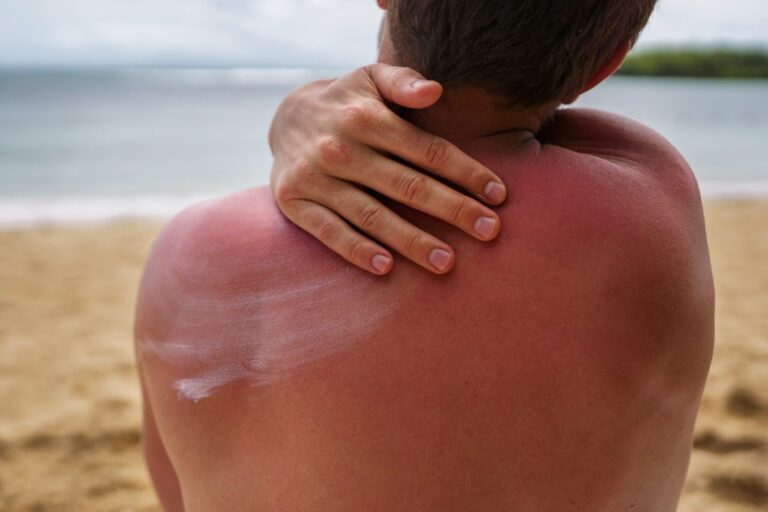
There are a few practices to avoid. Don’t rely on sunscreen alone on high UV days, and don’t skip reapplication because you’re not feeling hot — UV exposure doesn’t always correspond to temperature or how sunburn feels. Avoid applying very thin layers or missing commonly neglected spots such as the ears, back of the neck and the tops of the hands.
When to see a clinician
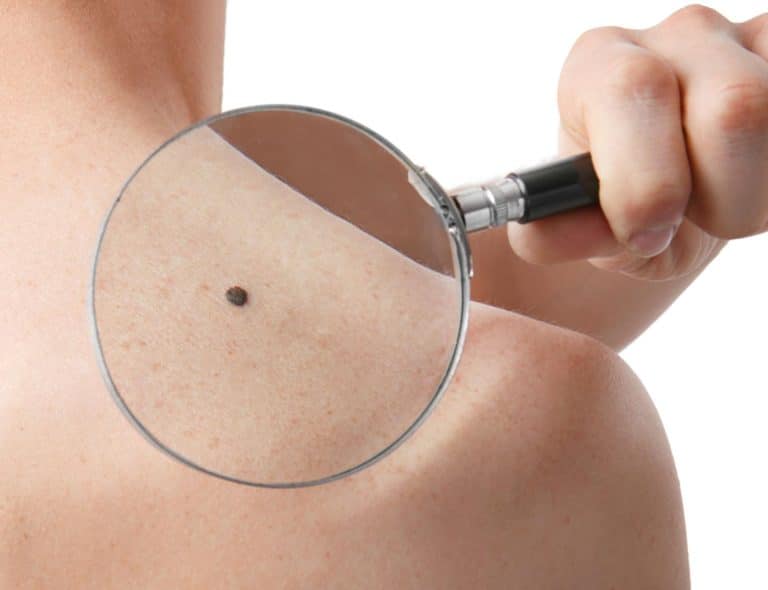
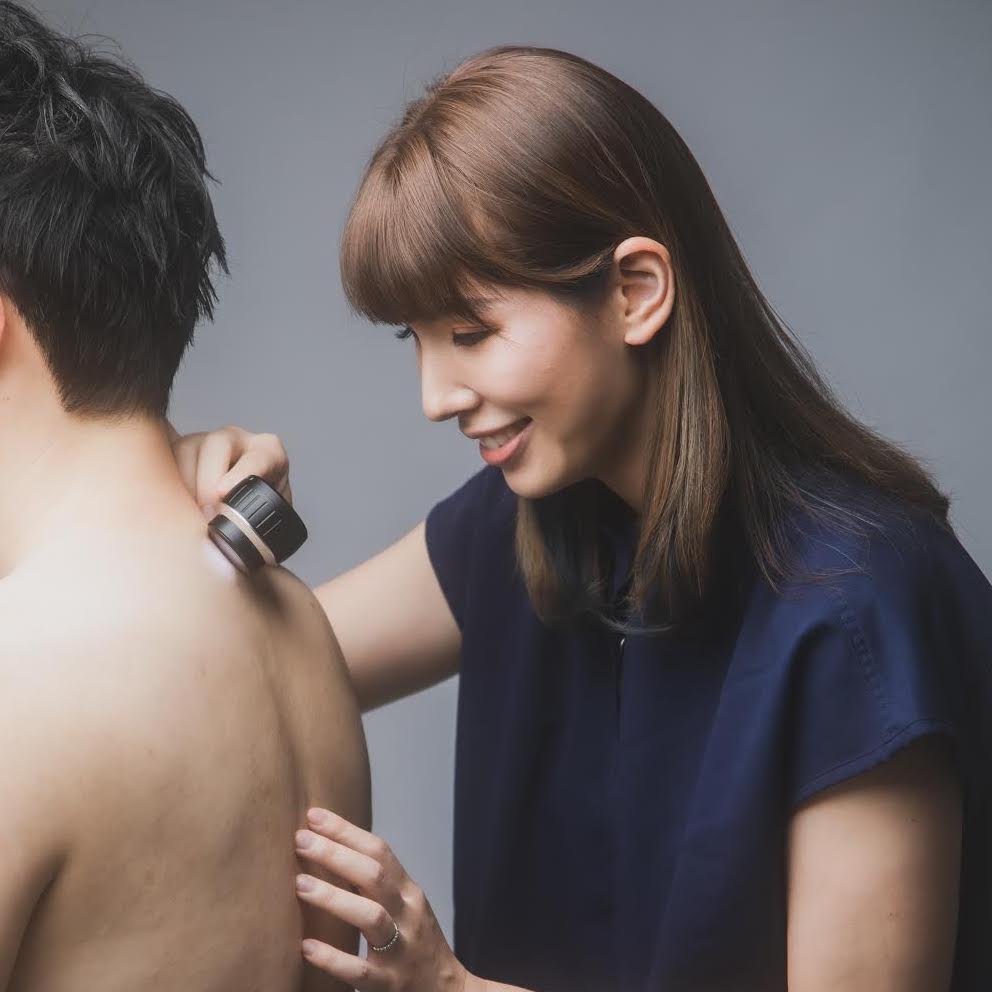
Regular professional skin checks are an important part of prevention, especially if you are over 40 or have a personal or family history of skin cancer. A suspicious lesion means any new, changing, bleeding or non‑healing spot — the term lesion simply means an area of altered skin — should be assessed. Assessment often includes a clinical examination, and if needed a biopsy, which is a small tissue sample taken to determine whether a lesion is cancerous. Destructive cosmetic treatment of an uncertain pigmented lesion should not happen before clinical assessment and, if indicated, biopsy.
ISO Clinic offers clinical services to help with both detection and treatment. If sun damage or early non‑melanoma skin cancers are a concern, professional options such as Skin Cancer Checks, Photodynamic Therapy and Cosmetic Mole Removal may be appropriate depending on individual assessment. Photodynamic Therapy is a targeted treatment that uses a light‑activated medicine to treat some sun‑damaged areas; if you are considering it, a clinician will explain how it works and whether it suits your situation.
Some people ask about ways to reduce skin cancer risk beyond sunscreen. Evidence supports regular sun protection and skin surveillance; certain oral agents such as nicotinamide (a form of vitamin B3) have shown benefit in select high‑risk groups, but this is a medical decision for clinicians and benefits may stop after the treatment ends. Vitamin D needs also vary with season, location, skin type and health status — talk to your clinician rather than making broad assumptions about sun exposure to maintain vitamin D levels. For more context on vitamin D and sunlight versus supplements, consider Vitamin D: Sunlight vs Supplements.
Take Action for Your Skin Health
Adopting the 20 minute rule is a simple, practical step: apply a generous layer of broad‑spectrum, water‑resistant SPF50+ sunscreen about 20 minutes before heading outdoors, wear protective clothing and a broad‑brimmed hat, seek shade when you can, and reapply every two hours or sooner after swimming or sweating. Keep sunscreen near the door or in your bag so it becomes part of your daily routine. If you have concerns about a spot or your overall sun damage, book a professional assessment. You can learn more about our services and arrange an appointment with our experienced team by visiting https://bookings.isoclinic.com.au/