When we hear the word albinism many of us picture very pale skin or white hair. That visible difference is real, but it is only one part of a genetic condition that affects how pigment is made in the body and how the eyes develop. For Australians aged 40 and over, who know how relentless our sun can be, it helps to understand why melanin (the pigment that gives colour to skin, hair and eyes) matters beyond appearance, and what practical steps reduce risk.
The Crucial Role of Melanin in Development
Melanin is produced by specialised cells called melanocytes and does more than determine colour: it helps protect skin cells from ultraviolet (UV) damage and guides structures in the developing eye. In many forms of albinism a genetic change reduces or prevents melanin production. That lack of pigment during fetal development can affect how the retina (the light-sensitive tissue at the back of the eye) and the optic nerve (the cable carrying visual signals to the brain) form. Because of that, people with albinism commonly have lifelong differences in vision.
If you would like more detail about how melanin absorbs and scatters UV and shields DNA from light damage, see our article on How Your Skin Cells Build Their Own Sun Hats. Understanding those basic mechanisms also explains why the same trait that changed eye development has deep implications for skin health under a strong sun.
How Albinism Affects the Eyes
The visual effects associated with albinism are a direct consequence of altered eye development rather than a simple need for stronger glasses. Reduced melanin can mean the retina and optic pathways are organised differently, which often causes reduced visual acuity (clarity of vision) from birth. People with albinism may also experience photophobia (marked sensitivity to bright light) because a lightly coloured iris lets more stray light into the eye, and nystagmus (involuntary rhythmic eye movements), which is the eye’s way of trying to find the clearest view.
These visual differences vary between individuals. Low-vision aids, contrast-enhancing strategies and environmental adjustments — such as glare-reducing lenses and careful lighting — can make day-to-day life safer and more comfortable. Early assessment by an eye-care specialist helps identify assistive options and educational or workplace adjustments where needed.
Why Skin Cancer Risk Is Higher
Melanin acts as a natural absorber of ultraviolet radiation, reducing the amount that reaches and damages DNA in skin cells. In albinism that protective barrier is lacking or minimal, so the skin is more vulnerable to UV-induced damage. Living in Australia, where UV levels are high for much of the year, increases cumulative risk. Skin cancers such as basal cell carcinoma and squamous cell carcinoma, and sometimes melanoma, can occur earlier than in the general population, so careful monitoring is important.
UV cannot be seen or felt and is not the same as heat, so a warm or cool day is not a reliable guide to risk. In the southern hemisphere our seasonal and latitudinal differences influence UV intensity; for a broader perspective see Southern Hemisphere UV: Why Latitude and Season Matter and Australia’s Sun Trap and Fairer Skin for context about why vigilance matters here. Evolutionary perspectives can also be useful background: why dark skin evolved near the equator highlights melanin’s protective role against UV-related harm to important nutrients during pregnancy.
It is also important to note that some preventative strategies studied in research, such as taking nicotinamide (a form of vitamin B3), have demonstrated benefit mainly in selected high-risk groups with prior non-melanoma skin cancers and require clinical advice; any benefit does not persist after stopping. Personal risk varies with genetics, history of sun exposure and previous skin lesions, so medical guidance is essential.
Practical Sun Protection for Everyday Life
For people with little or no pigment, combined sun protection is recommended whenever the UV Index is 3 or above. That means using multiple measures together: protective clothing (long sleeves and tightly woven fabrics), a broad-brimmed or legionnaire-style hat that shades the face, neck and ears, and Australian-standard sunglasses. Apply a broad-spectrum, water-resistant sunscreen of SPF50+ generously about 20 minutes before going outdoors, and reapply every two hours or sooner after swimming, sweating or towel-drying. Seek shade where possible, especially during the middle of the day when UV peaks.
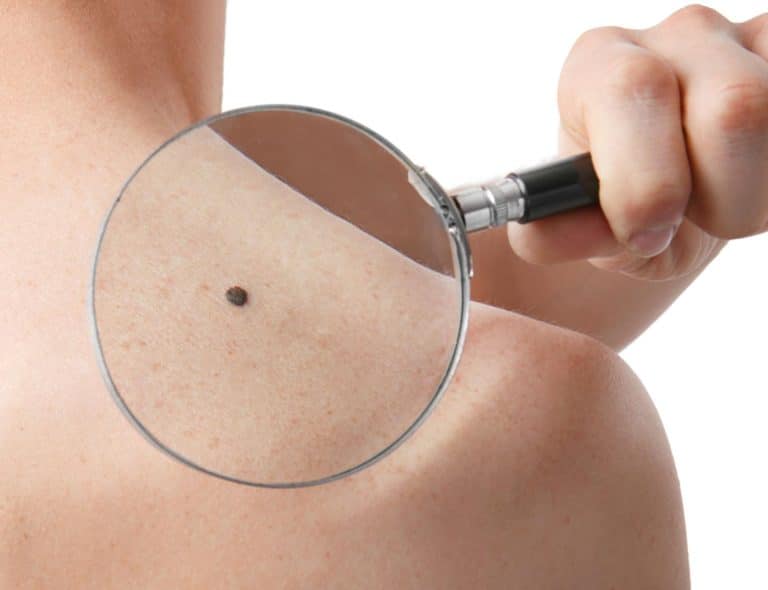
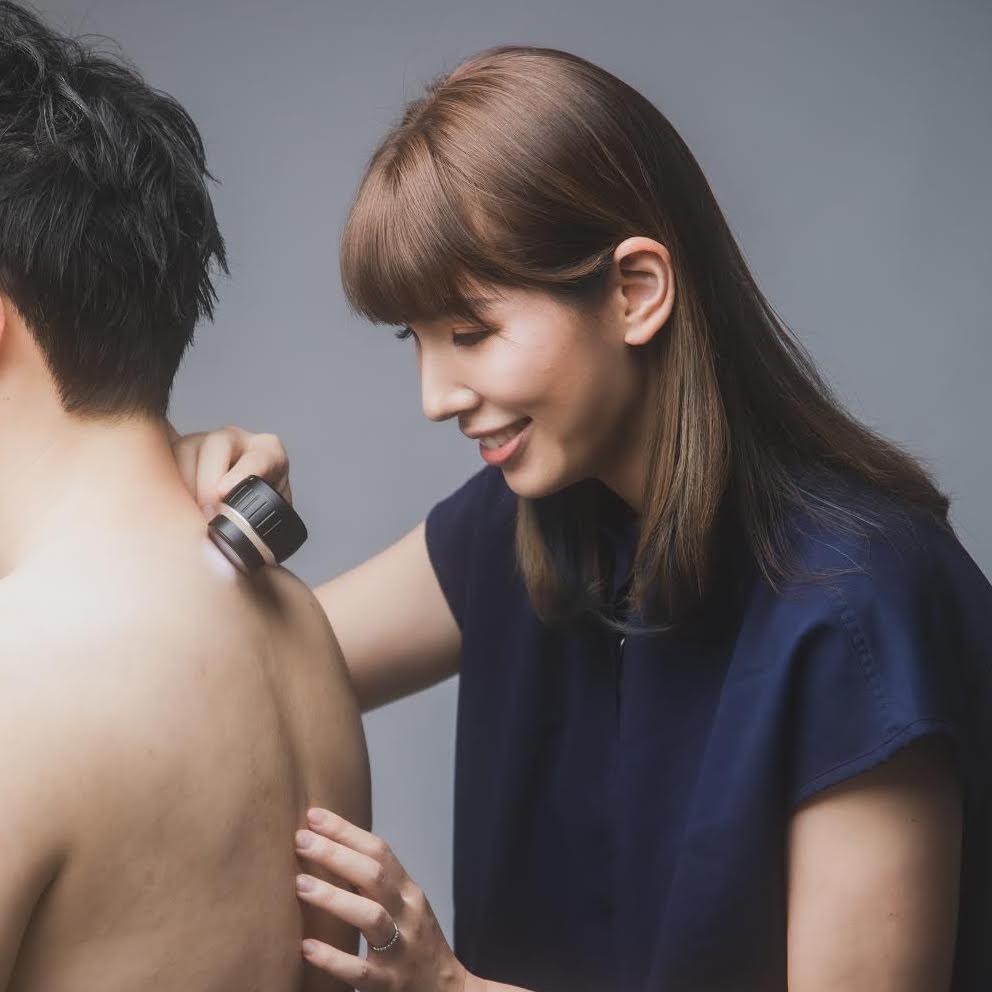
Sunscreen helps but shouldn’t be the only strategy. Consider planning outdoor activities for lower-UV times, and use sun-protective clothing designed to block UV. Regular professional skin checks are essential so that any new, changing, bleeding or non-healing spots are assessed promptly. Suspicious lesions need clinical examination and, if necessary, a biopsy (a small tissue sample) before any destructive or cosmetic treatment to confirm a diagnosis and guide safe management.
For people with albinism who already have a skin lesion or a history of skin cancer, treatments vary depending on the type and extent of disease. We offer comprehensive skin cancer assessments and treatments; learn about our skin cancer checks, the role of photodynamic therapy for certain superficial precancerous lesions, and options for cosmetic mole removal when clinically appropriate. These approaches are chosen based on individual findings and after a proper diagnostic assessment.
Take Action for Your Skin Health
If you or someone you care for has albinism, or if you are concerned about skin changes after a lifetime of sun exposure, taking proactive steps makes a difference. Regular professional skin checks identify early changes when treatments are more effective, and personalised advice from a clinician can help balance sun protection needs with other health considerations, such as vitamin D, which varies by season, location and individual circumstances.
We encourage you to arrange a comprehensive assessment if you have any new, changing, bleeding or non-healing spots, or if it has been some time since your last check. To book a skin check or discuss treatment options, please visit our booking page: https://bookings.isoclinic.com.au/