If you have red hair and fair skin you probably recognise how quickly the skin reddens in the sun, even when you take precautions. That pattern is not just bad luck — it comes down to the pigments your skin makes and how they respond to ultraviolet light. Understanding the chemistry behind that vulnerability helps you choose practical, effective sun protection rather than relying on luck or myths.
The pigments that matter
Your skin colour is set by melanin (the pigment that gives skin, hair and eyes their colour). Melanin is made by specialised cells called melanocytes (the pigment-making cells). There are two main types of melanin: eumelanin (a brown–black pigment) and pheomelanin (a red–yellow pigment). Eumelanin absorbs and scatters ultraviolet radiation, providing relatively strong natural protection. Pheomelanin is less effective at absorbing UV and, when exposed to ultraviolet radiation, can undergo reactions that create unstable molecules called reactive oxygen species (unstable molecules that can damage cells and DNA).
People with red hair tend to produce more pheomelanin and less eumelanin. That explains both the hair colour and the tendency to burn more easily. If you want a deeper look at how melanin protects the skin, our article on how skin cells build their natural sun protection explains the process in plain terms and is a useful follow-up reading: How Your Skin Cells Build Their Own Sun Hats.
How a gene nudges pigment balance
The type of pigment your skin makes is influenced by the MC1R gene (a gene that helps control which pigment is produced). When MC1R works in its typical way it encourages eumelanin production. Some MC1R variants reduce that signal, so melanocytes favour pheomelanin instead. That genetic tendency is why many redheads have fair skin and are more vulnerable to UV damage. Knowing this helps explain why sunburn is not a cosmetic nuisance only: it’s a clue that the skin’s DNA has been challenged and needs protection.
What happens in skin exposed to UV
Ultraviolet radiation (UV) is light you cannot see or feel; it is not the same as heat. When UV reaches the skin it can be absorbed by pigments or cellular components. Eumelanin tends to absorb and safely dissipate that energy. Pheomelanin is more likely to break down and form reactive oxygen species. These reactive molecules cause oxidative stress (chemical damage to cells), which leads to inflammation, the redness and pain of sunburn, and over time can contribute to mutations in skin cells.
Damage is cumulative — each significant sunburn adds to lifetime risk. That does not mean every sunburn will cause a cancer, but it is why regular, combined sun protection matters, particularly in places like Australia where UV levels are often high. For context on how UV intensity varies across seasons and locations in the southern hemisphere, see our short explainer: Southern Hemisphere UV Intensity.
Practical protection for vulnerable skin
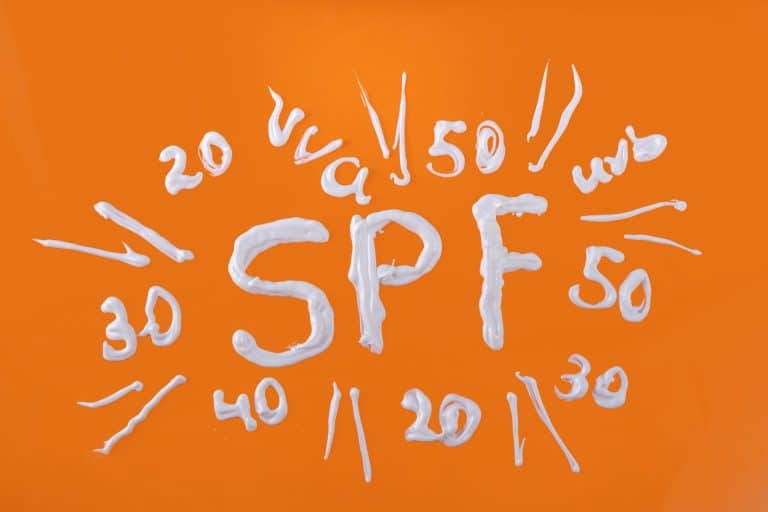
People with more pheomelanin should treat sun protection as a daily habit, not an occasional measure. Australian guidance recommends combined protection when the UV Index is 3 or above (the UV Index is a simple scale that shows how strong ultraviolet radiation is). Combined protection means protective clothing, a broad-brimmed or legionnaire-style hat, Australian-standard sunglasses, seeking shade, and a broad-spectrum, water-resistant SPF50+ sunscreen. Apply sunscreen generously about 20 minutes before going outdoors and reapply every two hours, or sooner after swimming, sweating or towel-drying.
Do not rely on feeling hot or cold to judge UV — you can be exposed to significant UV even on a cool or cloudy day. Also, avoid thinking a light tan is harmless: any change in skin colour after sun exposure is a sign of damage rather than a sign of improved skin health. If you’d like to read more about that idea, our piece on tanning explains why a tan is a distress signal: The Myth of the Healthy Tan.
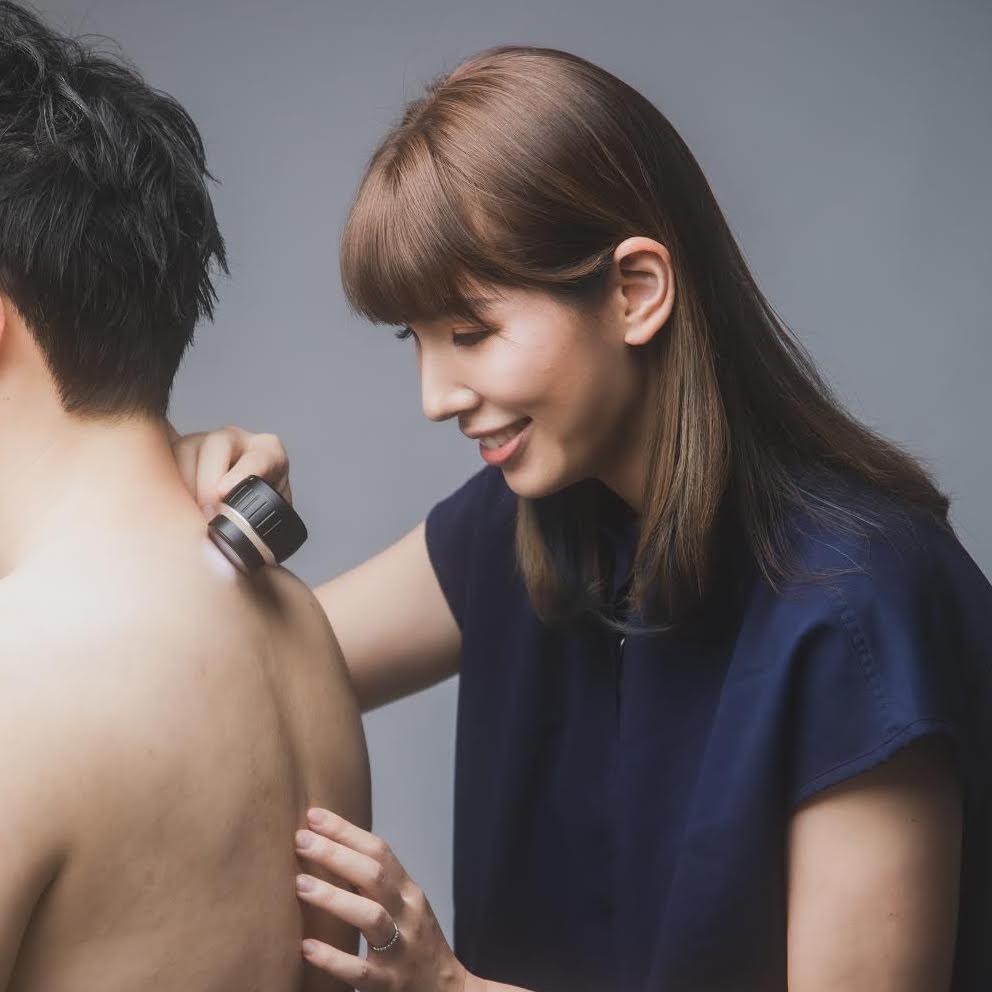
Protection also includes regular inspection and professional skin checks. If you notice a new spot, a lesion that changes, bleeds, crusts or does not heal, seek assessment. A clinician will examine the area and may recommend a biopsy (a small tissue sample) before any destructive cosmetic treatment of a suspicious pigmented lesion. Early assessment improves options and outcomes; our clinic’s information about routine checks explains what a review involves: Skin Cancer Checks.
Take Action for Your Skin Health
Understanding why red hair and fair skin are more vulnerable helps you focus on actions that reduce harm. Use combined sun protection whenever the UV Index is 3 or higher: cover up with clothing and a broad-brimmed or legionnaire-style hat, wear sunglasses that meet Australian standards, seek shade and apply a broad-spectrum, water-resistant SPF50+ sunscreen 20 minutes before going outside and reapply every two hours or after swimming, sweating or towel-drying. Remember that UV is invisible — shade and protection matter even when it doesn’t feel hot.
If you already have signs of sun damage you may be a candidate for treatments that reduce sunspots and pre-cancerous changes; photodynamic therapy (a light-activated treatment that targets abnormal skin cells) is one option that some people discuss with their clinician: Photodynamic Therapy. Talk with an experienced clinician about the right approach for your skin type and history, and never delay assessment for a changing or suspicious lesion.
If you’d like a comprehensive assessment or advice tailored to your skin, book a professional skin check with us and discuss personalised prevention and treatment options: Bookings Page