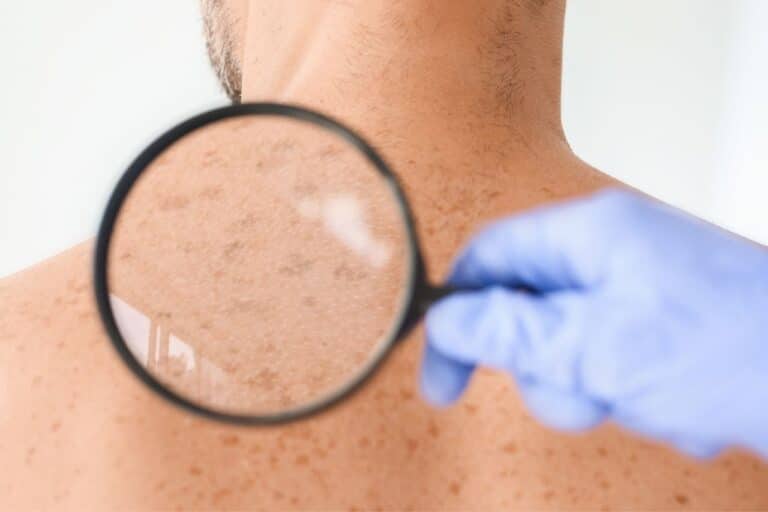
Many people have been told to watch their existing moles for signs of skin cancer. That advice is still useful, but it is incomplete. Most melanomas—an aggressive form of skin cancer—actually appear as new spots on previously normal skin rather than arising from long‑standing moles. In plain terms, a melanoma usually starts where you did not expect it to, so checking only the moles you have always had can give a false sense of security.
The Myth of the Changing Mole
Public health messages have long emphasised watching a mole that changes. While change in an existing mole can be important, studies suggest that roughly 70–80 percent of melanomas develop de novo, meaning they appear as new lesions on skin that previously looked normal. The medical word for a mole is naevus (pronounced nay‑vus); only a minority of melanomas are linked to a pre‑existing naevus. If you want a deeper explanation of how clinicians are rethinking atypical moles and risk, see The Dysplastic Mole Myth: Why This Term Is Being Abandoned.
That shift in understanding matters because it changes how we check our skin. Rather than focusing only on whether an old mole has changed, you should be equally alert to anything new on your skin: a tiny freckle that wasn’t there last month, a speck that grows, a pale bump, or a sore that won’t heal.
Why Melanomas Often Appear as New Spots
Melanoma begins in melanocytes, the skin cells that make pigment (melanin). When melanocytes sustain DNA damage they can start to divide abnormally. Much of that damage is linked to ultraviolet (UV) radiation from the sun. Remember that UV cannot be seen or felt and is not the same as heat. It’s the invisible part of sunlight that causes DNA damage over time.
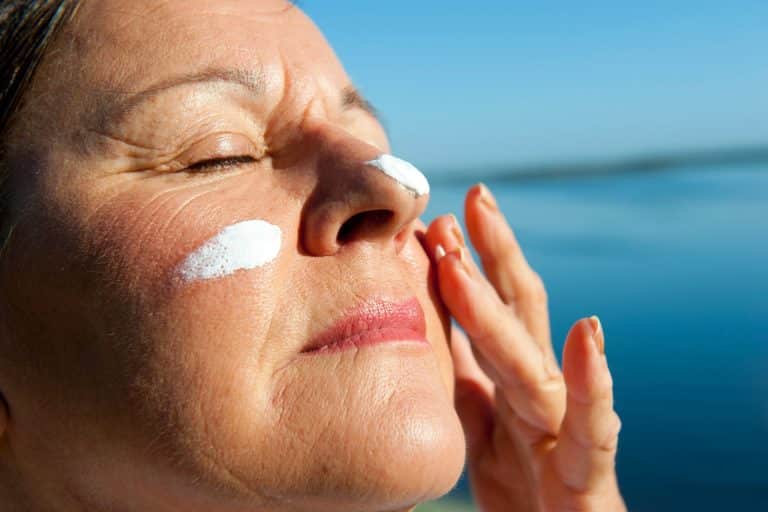
This damage is cumulative: sunburns and long, unprotected sun exposure earlier in life contribute to risk decades later. Because UV can damage individual melanocytes scattered across the skin, a new melanoma can arise on previously clear skin. That’s why lifetime sun protection and reducing further UV damage remain essential. Australian guidance recommends combined protection when the UV Index is 3 or above: protective clothing, a broad‑brimmed or legionnaire‑style hat, Australian‑standard sunglasses, seeking shade and a broad‑spectrum, water‑resistant SPF50+ sunscreen applied generously about 20 minutes before going outdoors and reapplied every two hours or sooner after swimming, sweating or towel‑drying. For practical tips on timing, see The 20‑Minute Sunscreen Rule, and for guidance on how much to use, see Sunscreen Application Amount.
Some treatments and supplements are discussed in the literature for people at very high risk; for example, nicotinamide (vitamin B3) has shown benefit in selected patients with previous non‑melanoma skin cancers, but this is only relevant for particular high‑risk groups, requires medical advice and the benefit does not persist after stopping the supplement. Read more on the limits and appropriate use of this approach at Nicotinamide: Vitamin B3 and Skin Cancer.
How to Spot a New Melanoma
The single most helpful habit is to watch for the outlier—the spot that looks unlike the rest of your skin. Most of your moles and freckles will have a consistent look. A melanoma often stands out because it is different in colour, shape, size or behaviour from your other marks. Newness is itself important: a small freckle that appears and steadily grows, a dark or pinkish patch that changes, or a bump that bleeds or doesn’t heal are reasons to seek assessment.
Melanomas can be subtle. They may begin as a tiny brown dot, a faint pink patch, or a slightly raised lesion. They do not always match the classic “big, irregular, dark mole” image. Any new, growing or changing lesion, or any spot that crusts, bleeds, itches or fails to resolve, should be checked. If a clinician thinks a lesion might be cancerous, a biopsy (removing a small sample of tissue) is the usual next step to confirm the diagnosis. It is important that a suspicious pigmented lesion is assessed before any destructive cosmetic treatment such as shaving or freezing, because those procedures can complicate diagnosis.
Protecting Your Skin and When to See a Doctor
Self‑checking your skin once a month is a simple, effective habit. Use a full‑length mirror and a hand mirror to inspect all areas, and ask a partner to help with your back, scalp and the back of your legs. Make notes or take dated photos of anything new so you can spot change over weeks and months.
Self‑examination is not a substitute for professional evaluation. A doctor trained in skin cancer medicine can examine areas you can’t see and use clinical tools to look at skin patterns that are invisible to the naked eye. If you are due for a review, consider booking a full skin check; our clinic offers comprehensive skin cancer checks. For broad areas of sun damage, treatments such as photodynamic therapy can treat extensive precancerous changes, and for suspicious or symptomatic lesions there are surgical and cosmetic options including cosmetic mole removal. Your clinician will discuss the safest diagnostic and treatment pathway for your situation.
Take Action for Your Skin Health
Knowing that most melanomas start as new spots gives you a clear action plan: keep an eye out for anything new, use combined sun protection whenever the UV Index is 3 or above, and get professional assessment for any spot that is new, changing, bleeding or not healing. Monthly self‑checks plus regular skin‑cancer checks give you the best chance of catching problems early when they are most treatable.
If you’ve noticed a new lump, freckle or sore, or if it’s time for your routine check, book a skin check with us. Early assessment is the most reliable way to know whether a spot needs treatment or simple monitoring. You can book an appointment.