Knowing when the sun is most likely to harm your skin can feel complicated. You might glance at the forecast, try to decode the UV Index, or assume the day is safe because it feels cool. There is a simpler, reliable cue you can use anywhere in Australia without an app: the shadow rule. It is a quick visual check that helps you decide, in the moment, whether you need to dial up your sun protection.
The shadow rule is straightforward. When your shadow on the ground is shorter than you are tall, the sun is higher in the sky and ultraviolet (UV) radiation is typically stronger. When your shadow is longer than your height, the sun is lower and UV is usually less intense. Because UV cannot be seen or felt and is not the same as heat, this simple observation offers a practical way to guide your choices outdoors.
Why the Shadow Rule Works
UV radiation is a component of sunlight that reaches us after travelling through the atmosphere. When the sun sits high overhead, those rays take a more direct path and are filtered less by air and particles, so more UV reaches ground level. When the sun is lower, in early morning or late afternoon, the rays pass through more atmosphere, which scatters and absorbs a greater fraction before it reaches your skin. Your shadow length mirrors that geometry, so it becomes a handy, real-time indicator of risk.
In Australia, this effect is amplified by our geography and seasons. Our latitude, the tilt of the Earth, and clear summer skies combine to produce very high UV levels for much of the year. If you would like to understand why UV can be so intense here, see Why Australian Summers Hit Harder: UV Intensity Explained. Recognising this context makes the shadow rule even more useful for daily decisions.
How to Use the Shadow Rule Day to Day
Step outside and glance at the ground. If your shadow is short and stubby, behave as though the UV is at a level where you need full protection. If it stretches well past your feet, the risk is generally lower. As a practical guide, when the UV Index is 3 or above, combined protection is recommended. The shadow rule aligns with this: shorter shadow, more protection. It automatically adjusts for time of day, season, and latitude, so it works just as well in Perth in January as it does in Hobart in April.
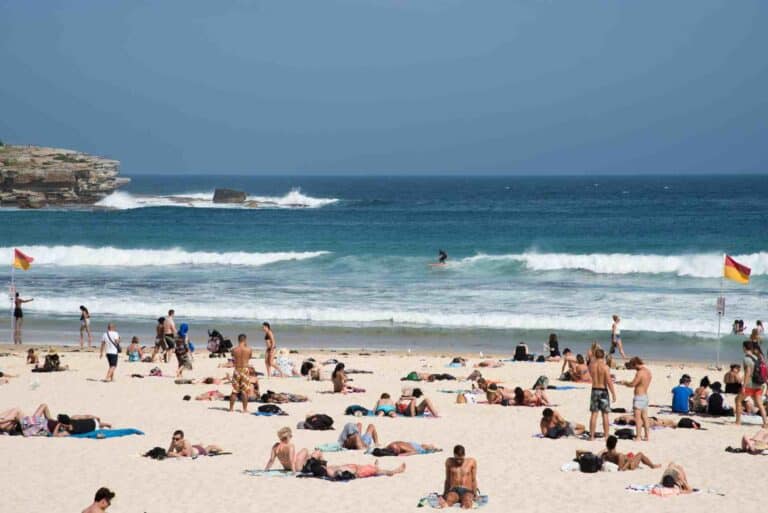
Many Australians notice their shadow is shorter than their height around the middle of the day, often between about 10 am and 4 pm in warmer months. The exact window varies by location and season. Surfaces that reflect light, like water, sand, or concrete, can add to your exposure. The beauty of the shadow rule is that you do not need to memorise times or juggle variables; your shadow tells you what the sun is doing right now.
Remember that temperature and cloud cover are not reliable guides. You can burn on a cool or breezy day because heat comes mainly from infrared light, not UV. Thin cloud may make it feel dimmer while still allowing enough UV to damage skin. Because you cannot see or feel UV, letting your shadow length guide you is a safer habit.
Balancing Sun Protection and Vitamin D
Vitamin D is important for bone health and general wellbeing, but everyone’s needs differ with skin type, age, location, and season. There is no universal prescription that suits all Australians year-round. If you are concerned about your levels or have medical conditions affecting absorption, it is sensible to discuss personalised advice with your GP.
For many people, short, regular exposures outside the peak UV period are all that is needed. The shadow rule helps you pick these lower-risk times. For practical, context-specific suggestions, see The 6 Minute Summer Walk: All the Sun You Need. This approach aims to support vitamin D while avoiding the higher-risk times when your shadow is short. If sunlight is limited or you have higher needs, your doctor can advise on testing and safe alternatives.
Protection That Matches the UV
When your shadow is shorter than your height, or when the UV Index is 3 or above, use combined protection. That means protective clothing, a broad-brimmed or legionnaire-style hat, shade, Australian-standard sunglasses, and a broad-spectrum, water-resistant SPF50+ sunscreen. No single measure is perfect on its own; layering them works best in the Australian sun.
Clothing creates a dependable barrier. Choose long sleeves, collars, and densely woven fabrics or UPF-rated garments where possible. A broad-brimmed or legionnaire-style hat shields your face, ears, and neck, which are frequent sites for skin cancers. Well-fitted sunglasses that meet Australian standards protect the eyes and delicate surrounding skin from UV.
Make sunscreen your daily backup, not the only line of defence. Apply it generously to all exposed skin about 20 minutes before heading out, and reapply every two hours, or sooner if swimming, sweating, or towel-drying. The timing matters; learn why in The 20 Minute Rule for Sunscreen. If you are deciding which product suits you, understanding how different filters work can help. Explore Chemical vs Physical Sunscreens: Which One Should You Use to find an option you will apply correctly and consistently.
If you prefer to plan ahead, combine the shadow rule with a quick check of the day’s UV forecast. Aim to schedule outdoor chores or exercise for times when your shadow will be longer. On days when plans lock you into the middle of the day, lean on full protection and shade. Over time, these small choices add up to meaningful reductions in cumulative UV damage, including the fine lines, pigmentation, and rough patches many Australians notice after decades in the sun.
Take Action for Your Skin Health
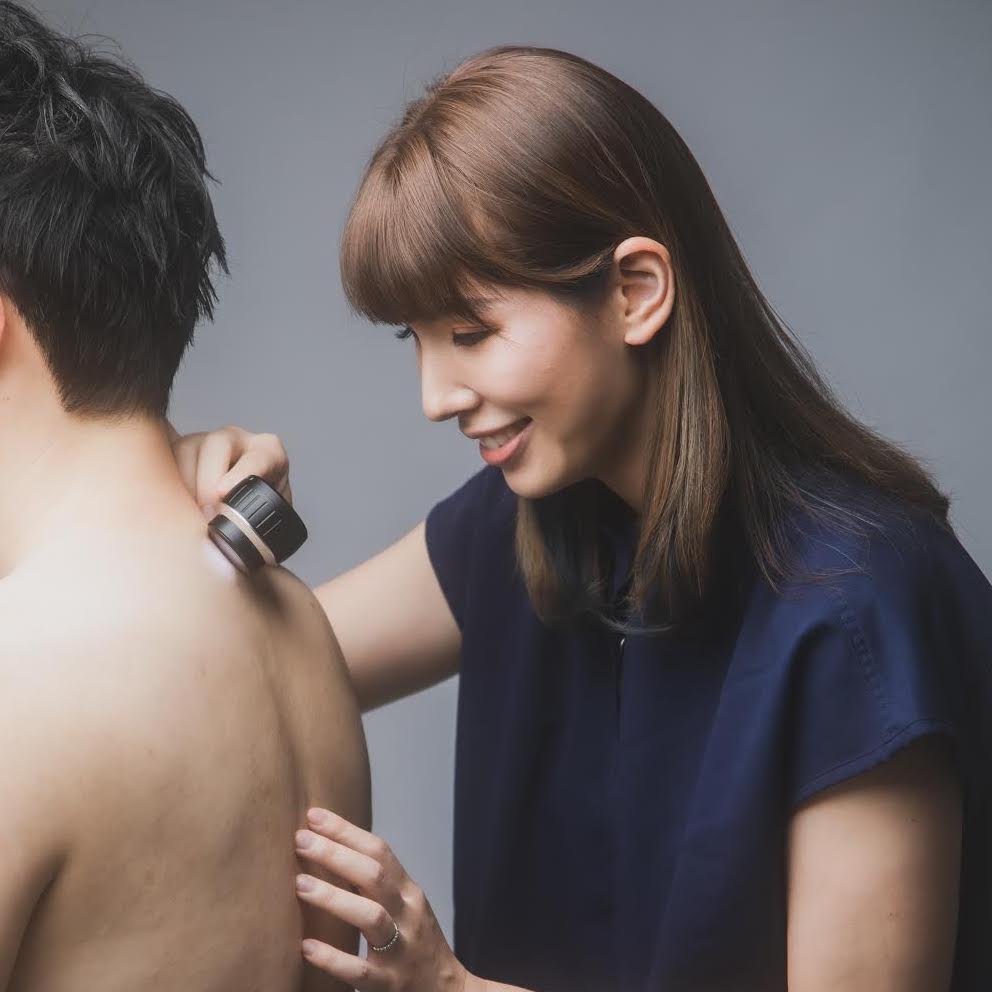
The shadow rule helps you manage day-to-day exposure, but professional checks remain important, especially if you are 40 or older, work outdoors, or have a personal or family history of skin cancer. New, changing, bleeding, or non-healing spots should be assessed promptly. A trained clinician can examine difficult-to-see areas and decide whether a lesion needs monitoring, imaging, or biopsy. Learn what a comprehensive assessment involves by visiting our skin cancer checks page.
If you have areas of sun-damaged skin or have been told you have precancerous changes such as actinic keratoses, modern field treatments can target broader zones rather than one spot at a time. Read about how light-activated medicines are used in photodynamic therapy. As a safety note, any uncertain pigmented lesion should be clinically assessed, and often biopsied, before considering destructive or cosmetic treatments.
If you are ready to prioritise your skin health, we can help you plan tailored prevention and treatment. Secure a time that suits you through our online booking system