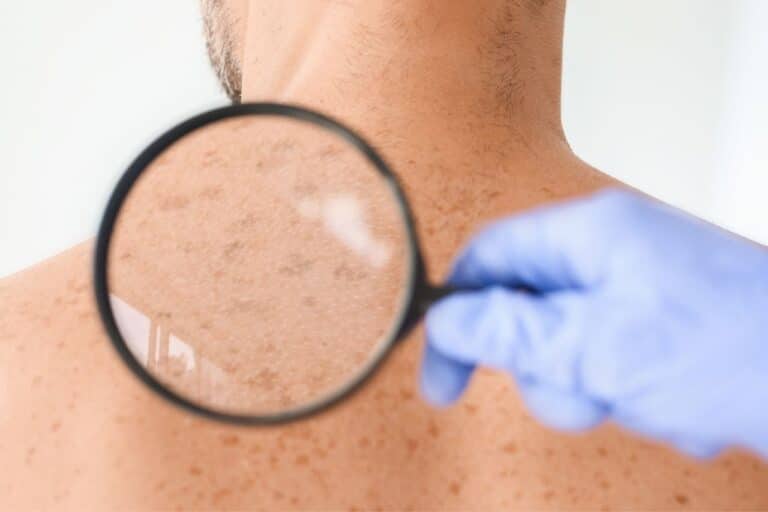
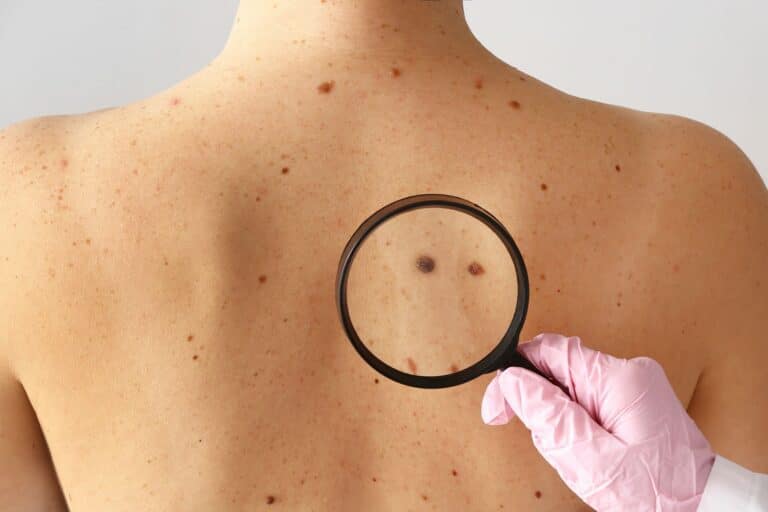
When you scan your skin you’ll see an assortment of freckles, age spots and moles. For many Australians over 40 this can feel like a lot to keep track of, but there’s a simple, practical visual rule you can use at home: the ugly duckling sign. In plain terms, most of the spots on any one person tend to resemble each other, so a new or different-looking lesion that stands out from the rest may deserve attention.
What is the ugly duckling sign?
The ugly duckling sign is a pattern-recognition tool used by clinicians and patients alike. Benign moles often share size, shape and colour across a person’s skin. A melanoma (a type of skin cancer) may appear as an outlier — a mole or spot that looks different from your usual pattern. That could mean it’s larger, darker, oddly shaped, uneven in colour, or simply a new mark where nothing used to be.
It’s important to note that most melanomas appear as new spots rather than changes in old moles. If you notice a lesion that didn’t used to be there, or one that clearly contrasts with neighbouring spots, consider that a prompt to seek professional assessment rather than a reason to panic. Suspicious signs also include a spot that bleeds, crusts, itches, or fails to heal.
Keep in mind that recognising an ugly duckling is a screening aid, not a diagnosis. Only a clinician’s assessment, sometimes followed by a biopsy (a small tissue sample), can determine whether a lesion is cancerous. Destructive cosmetic treatments — such as freezing or laser removal — should not be used on an uncertain pigmented lesion before a clinical assessment and any recommended biopsy have been completed.
How to check your skin safely and effectively
Set aside a monthly time to check your skin in good light with a full-length mirror and a hand mirror. Start by learning your own pattern: are your moles mostly small and pale, or larger and darker? Once you know what’s typical, it’s easier to spot an ugly duckling. Systematically scan your face, scalp (use a comb or ask for help), neck, arms, chest, back, legs and feet, including under toenails and between toes.
A partner or friend can be invaluable for hard-to-see areas. Two pairs of eyes often spot things one person misses. Photographing lesions with a ruler beside them can help you track changes over weeks to months, but photographs aren’t a substitute for clinical review. If you find a new or changing spot, make a note of when you first noticed it and any changes in size, colour, shape or symptoms such as bleeding or pain.
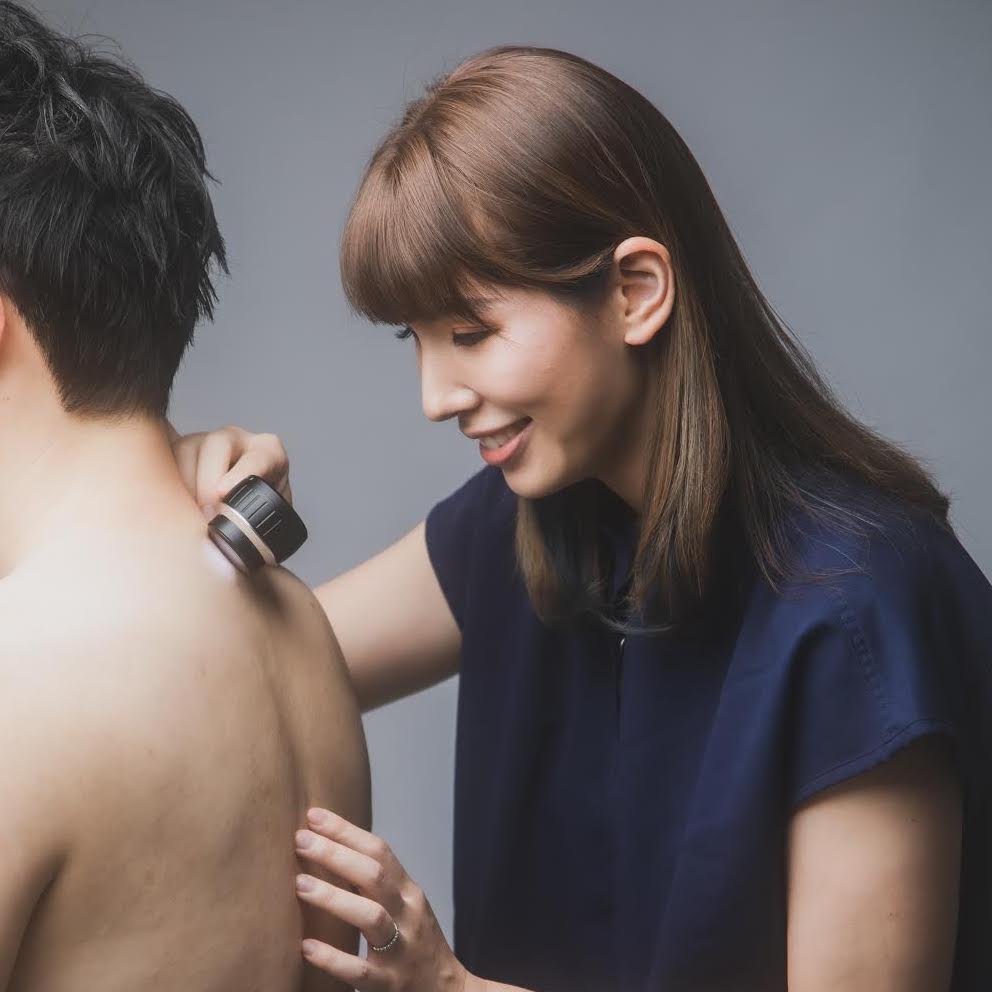
When you’re unsure, book a professional skin check. Our skin cancer checks are designed to assess suspicious lesions and put you on an appropriate follow-up plan. Clinicians may use dermoscopy (a magnifying light device) to visualise features beneath the skin surface that aren’t visible to the naked eye, which helps decide whether a biopsy is needed.
When to get professional assessment
Seek prompt assessment for any lesion that looks like an ugly duckling, or for new, changing, bleeding or non-healing lesions. Don’t wait to see whether it will “settle down.” Early detection is the most important factor for successful treatment of skin cancer, but that doesn’t mean every unusual mole is cancer — many are harmless. A clinician’s role is to sort the benign from the potentially serious and arrange the right tests or treatment.
If a lesion requires removal, your clinician will discuss options. Cosmetic mole removal may be appropriate for benign lesions that are symptomatic or cosmetically unwanted, while suspected cancers are removed with appropriate margins and histological (microscopic) examination. Some sun-damaged areas or precancerous patches are best treated with field therapies rather than individual excisions; photodynamic therapy is one such option for treating widespread actinic damage and is offered at many clinics.
Sun protection and other practical steps
Reducing further UV exposure lowers your future risk of skin damage. Remember that UV is invisible and not the same as heat, and it can be strong even on cool or cloudy days. In Australia, UV intensity is often higher than people expect, so be cautious year-round. When the UV Index is 3 or above, use combined sun protection: wear protective clothing, a broad-brimmed or legionnaire-style hat, Australian-standard sunglasses, and seek shade. Apply a broad-spectrum, water-resistant sunscreen of SPF50+ generously about 20 minutes before going outdoors and reapply every two hours, or sooner after swimming, sweating or towel-drying.
There are other measures for some people at higher risk. Recent research into nicotinamide (a form of vitamin B3) shows benefit mainly for selected patients with a history of non-melanoma skin cancers; this is not a general prevention pill and any use should follow medical advice. Decisions about vitamin D exposure, supplements or other interventions should be individualised according to your location, season, skin type and health history.
Educational resources on sunscreen application and timing can help make your protection more effective. Practical tips include using enough sunscreen to cover all exposed areas and following the 20-minute rule before sun exposure to allow the product to bind properly to the skin.
Take Action for Your Skin Health
Understanding the ugly duckling sign gives you a straightforward way to spot lesions that may need professional review. If you notice a new or different spot, or a lesion that is changing, bleeding or not healing, arrange a clinical assessment without delay. Clinical checks can reassure you, remove uncertainty and, where needed, ensure timely treatment.
To organise a clinical examination, see our pages on skin cancer checks, learn about cosmetic mole removal options, or read about treatment choices such as photodynamic therapy for field sun-damage. If you’d like to learn more about why new spots matter, our article on most melanomas appearing as new spots explains the evidence in plain terms. For practical sunscreen tips, see guidance on the 20-minute rule and on the amount of sunscreen to use. If you’re curious about targeted supplements for selected high-risk patients, the nicotinamide overview sets out the current evidence and limitations.
Ready to book an appointment? Schedule your skin check now at https://bookings.isoclinic.com.au/.