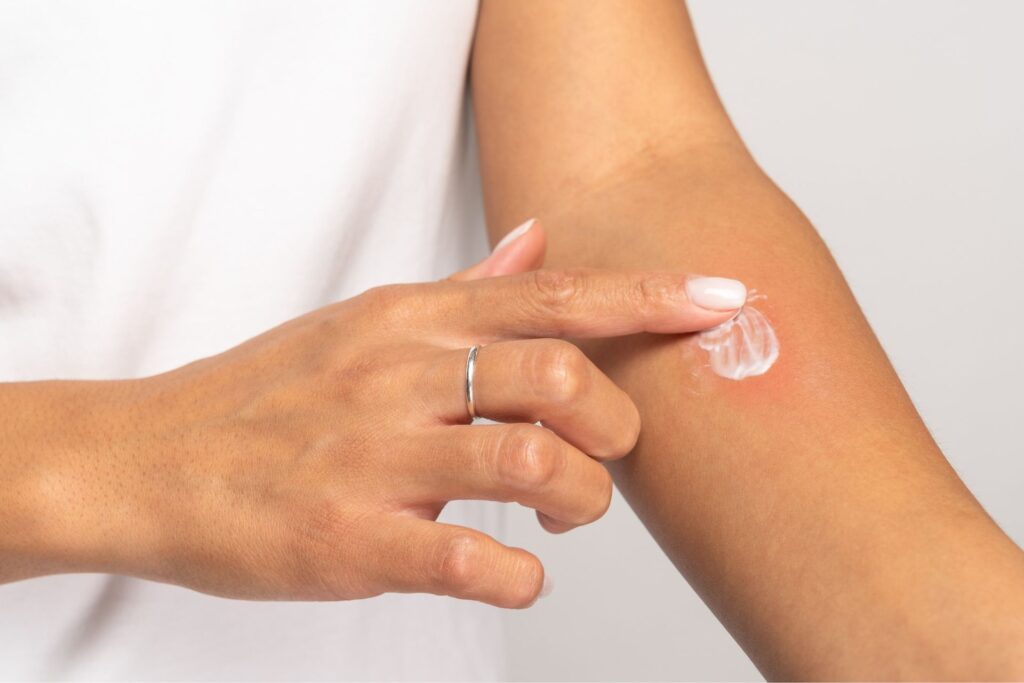
When a new or changing spot appears on your skin it’s only natural to want it gone quickly. Online remedies can promise natural, painless cures, but not all that’s marketed as traditional or herbal is safe. One of the most widely discussed products is black salve. It’s an unregulated paste that can cause significant harm, and understanding why will help you make safer choices for your skin.
What is Black Salve and How Does it Work?
Black salve is a corrosive paste often containing plant extracts such as bloodroot and chemical agents like zinc chloride. It is what doctors call an escharotic agent, which means a substance that destroys tissue and forms a scab-like wound. That explanation is useful because it makes clear what black salve actually does: it burns away the surface layers of skin, without regard for what lies beneath.
Manufacture and strength are unregulated, so you cannot be sure what you are putting on your skin. The Australian Therapeutic Goods Administration advises against its use because it can cause deep tissue damage, infection, scarring and permanent disfigurement. Unlike regulated medical treatments, black salve offers no reliable diagnosis or predictable outcome.
How Black Salve Can Mislead You
When black salve is applied, the destroyed tissue eventually dries and a dark plug or scab forms. To the eye it can look as if the lesion has gone. The problem is that many skin cancers and other abnormal lesions extend deeper than the surface. A skin biopsy (a small sample of tissue taken to look at cells under a microscope) is the standard way to tell what a spot really is and how deep it extends. Without that information, superficial destruction can leave abnormal cells behind, masked by healed skin.
That hidden disease can continue to grow below the surface, and by the time the area looks suspicious again the lesion may be larger, deeper or involve nearby structures such as nerves or cartilage. Delays in appropriate assessment and treatment can make subsequent care more complex and may increase the chance of needing more extensive surgery.
Why Get a Professional Assessment First?
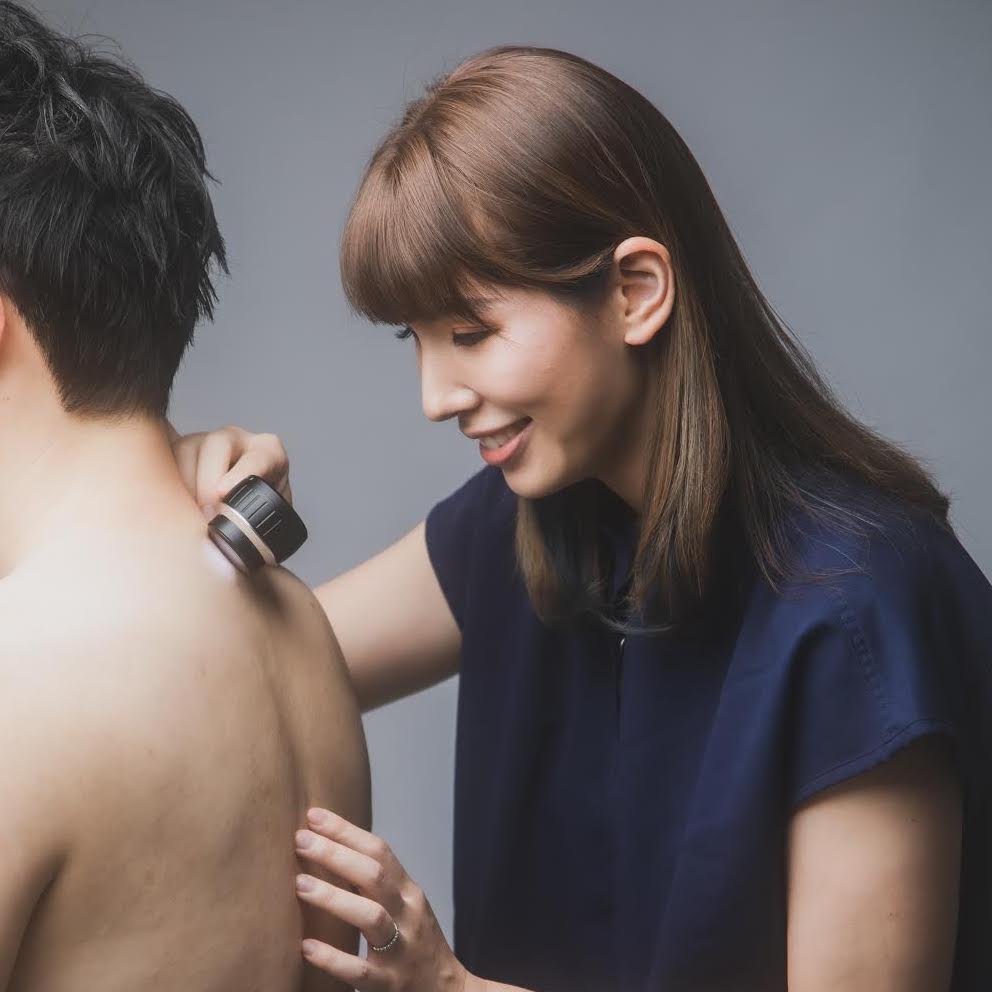
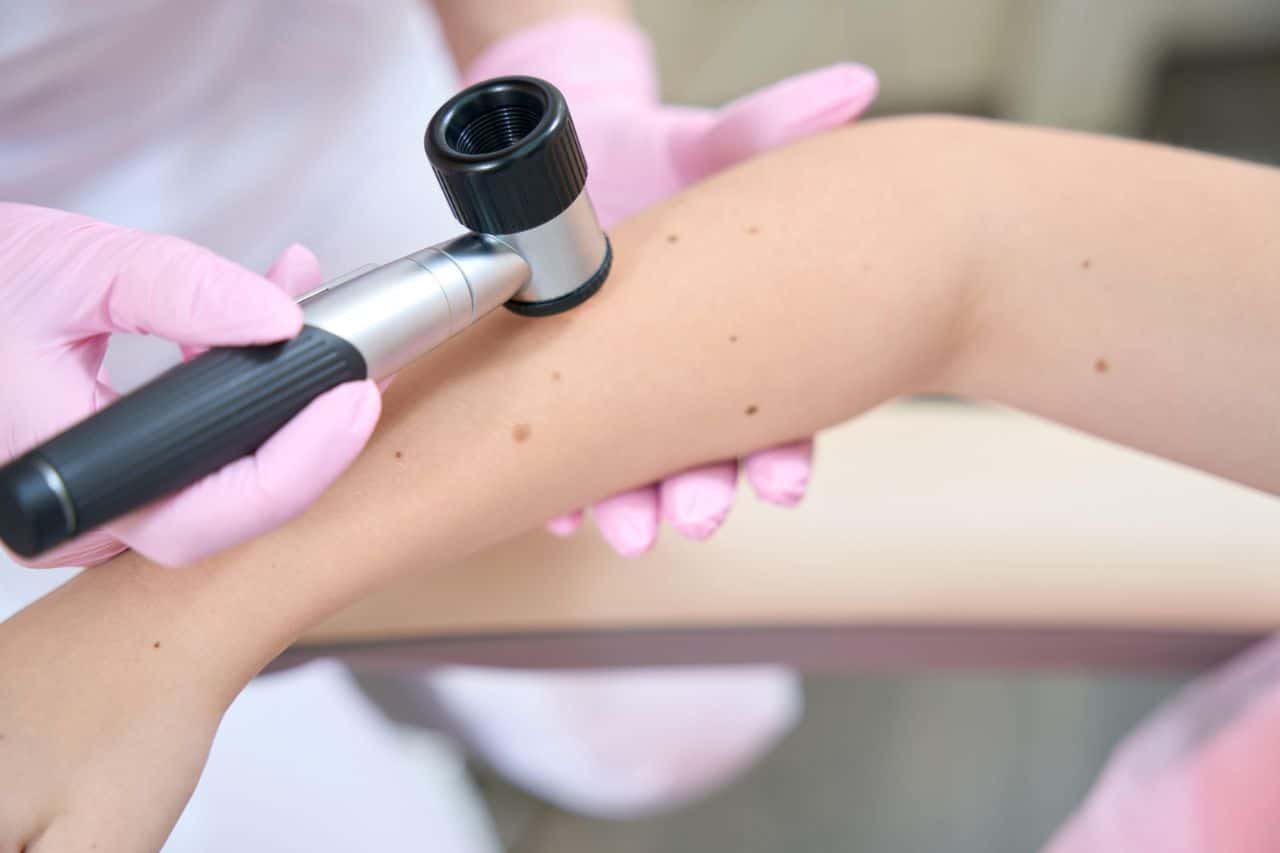
Not every spot is cancerous. Treating a harmless mole, freckle or age spot with a corrosive compound causes unnecessary pain, infection risk and scarring. Conversely, trying to manage a potentially serious lesion at home can delay interventions that are known to work. A clinical assessment by a trained doctor or skin specialist, often using a dermatoscope (a hand-held magnifier that helps inspect the skin closely), tells you whether a biopsy or other treatment is needed.
A biopsy gives a definitive diagnosis by allowing a pathologist to examine cells under a microscope. That information guides safe treatment choices, such as surgical excision with clear margins, which removes the lesion plus a small rim of normal tissue to reduce the chance of residual disease. Professional care also reduces the risk of infection and helps preserve function and appearance where possible.
Safe Alternatives and Common-sense Prevention
There are a range of evidence-based options for managing sun-damaged skin and early lesions. For some precancerous changes or superficial lesions, topical prescription creams can be effective; they work by targeting rapidly dividing cells or stimulating an immune response, rather than indiscriminately destroying tissue. Photodynamic therapy is another option where a light-activated medicine is used to treat abnormal cells; it’s suitable for some field treatments, such as widespread sun damage on the scalp where surgery can be difficult to heal.
For many suspicious or confirmed cancers, careful surgical removal remains the safest route because the excised tissue is checked by pathology to confirm complete removal. If you are worried about scarring or cosmetic outcome, discuss options such as staged closures or referral to a specialist in cosmetic mole removal to balance cure and appearance.
Prevention and early detection are equally important. UV radiation cannot be seen or felt and is not the same as heat. In Australia we recommend combined sun protection once the UV Index is 3 or above: protective clothing, a broad-brimmed or legionnaire-style hat, Australian-standard sunglasses, seeking shade and applying a broad-spectrum, water-resistant SPF50+ sunscreen generously about 20 minutes before going outdoors and reapplying every two hours or sooner after swimming, sweating or towel-drying. If you want practical tips on applying sunscreen effectively, see the guidance on the 20-minute sunscreen rule and how much to use in the sunscreen amount guide. Remember that measures such as clothing and shade are important complements to sunscreen.
For people at higher risk, some preventive strategies are discussed in the context of research; for example, nicotinamide (vitamin B3) has shown benefit in selected high‑risk patients with a history of certain non-melanoma skin cancers, but this is a medical decision that needs professional advice and the benefit does not persist after stopping the supplement. If you want to read more about that research, learn about nicotinamide (vitamin B3). Also be aware that subtle warning signs such as the ugly duckling sign — a spot that looks different from your other moles — are useful prompts to seek assessment, and that long wave UVA contributes to skin ageing and increased risk over time (UVA rays and ageing).
Take Action for Your Skin Health
If you notice a new, changing, bleeding or non-healing lesion, the safest step is a professional assessment rather than home remedies. Our clinic offers comprehensive skin cancer checks performed by experienced clinicians, and we provide evidence-based treatments such as photodynamic therapy for suitable cases and cosmetic mole removal when appropriate. Learn more about our Skin Cancer Checks and how Photodynamic Therapy can treat sun-damaged skin, or explore options for Cosmetic Mole Removal if appearance is a concern. Ready to get a safe, professional opinion? https://bookings.isoclinic.com.au/